Historia
Las potencias de Sumeria, una por una
16 figuras que nombran los textos antiguos, cada una con sus fuentes y un veredicto claro: 10 contadas tal como las da el registro, 6 que la crónica además recuenta.
Anunnaki es una palabra sumeria y acadia real, y los seres que reúne son verdaderos objetos de estudio, con himnos, templos, listas de ofrendas y mitos consignados en arcilla. Esta página es el registro: quiénes fueron, qué dicen los textos y dónde leer esos textos por tu cuenta.
Lo que esta página no hará es difuminar la línea entre lo atestiguado y lo inventado. Cada entrada lleva una marca. Donde la crónica añade una capa, la marca lo dice, y lo dice sin contarte la historia.
Cómo leer las marcas
- Tal como se atestigua
- El mito tal como lo da el registro. Nuestro relato usa la figura sin añadirle nada.
- Atestiguado, y recontado
- La figura atestiguada es real y está documentada, y la crónica coloca encima una capa inventada. La historia, en la página, sigue siendo la historia.
the sky, the first father
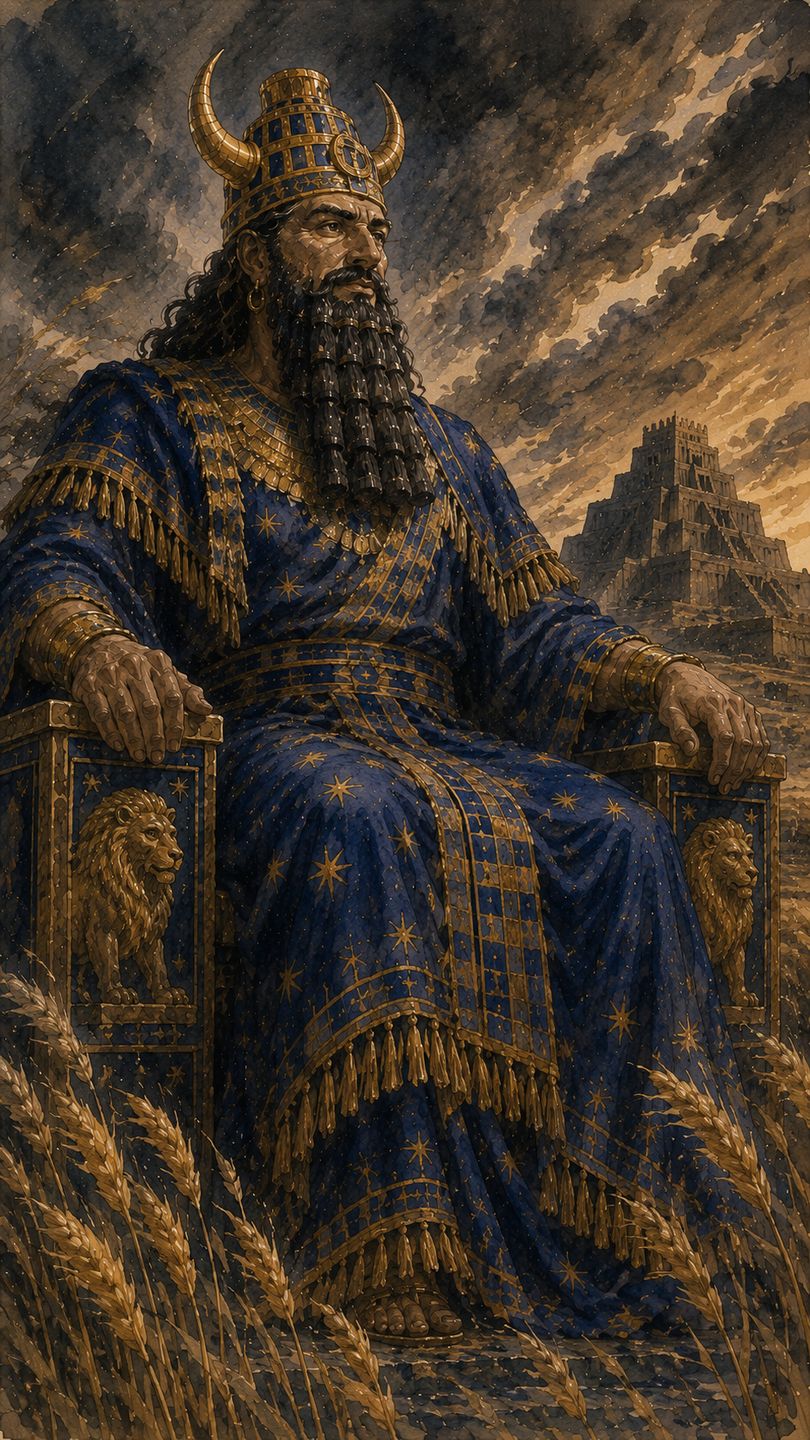
Tal como se atestiguaThe oldest head of the Sumerian pantheon: the sky itself, father of the gods, and the older claimant to the sacred precinct at Uruk.
the faithful son
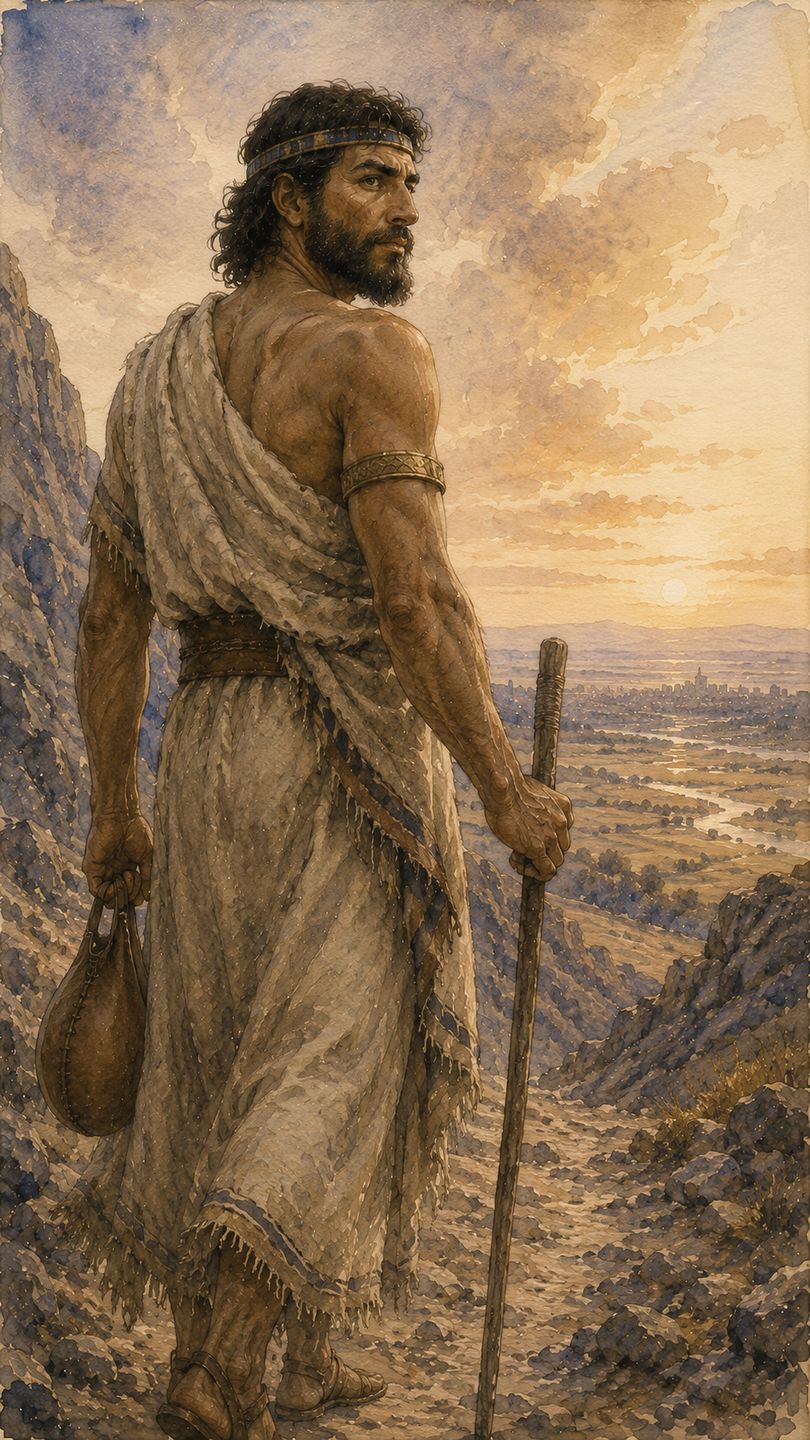
Tal como se atestiguaThe shepherd god and Inanna's husband, found enthroned and unmourning on her return, and given to the galla as her substitute below.
lord earth, the third door
Tal como se atestiguaGod of sweet water, craft and cunning, housed in the E-abzu at Eridug, and the one who finds the way around a law he cannot break.
lord wind, the first door
Tal como se atestiguaLord of the air and the executive power of the pantheon, whose house at Nippur made that city the place a king had to be recognised in.
vine of heaven
Tal como se atestiguaGoddess of the vine and of dream interpretation, who offers herself for half of each year so her brother may be above for the other half.
the Lady of heaven
Tal como se atestiguaQueen of heaven, goddess of love and war and the planet Venus, and the holder of the eight-pointed star that is the oldest emblem in this world.
an early king of Uruk, later a god
Tal como se atestiguaAn early king of Uruk in the Sumerian King List, hero of his own two Sumerian poems, later deified, and the father of Gilgamesh.
the moon over Ur, the second door
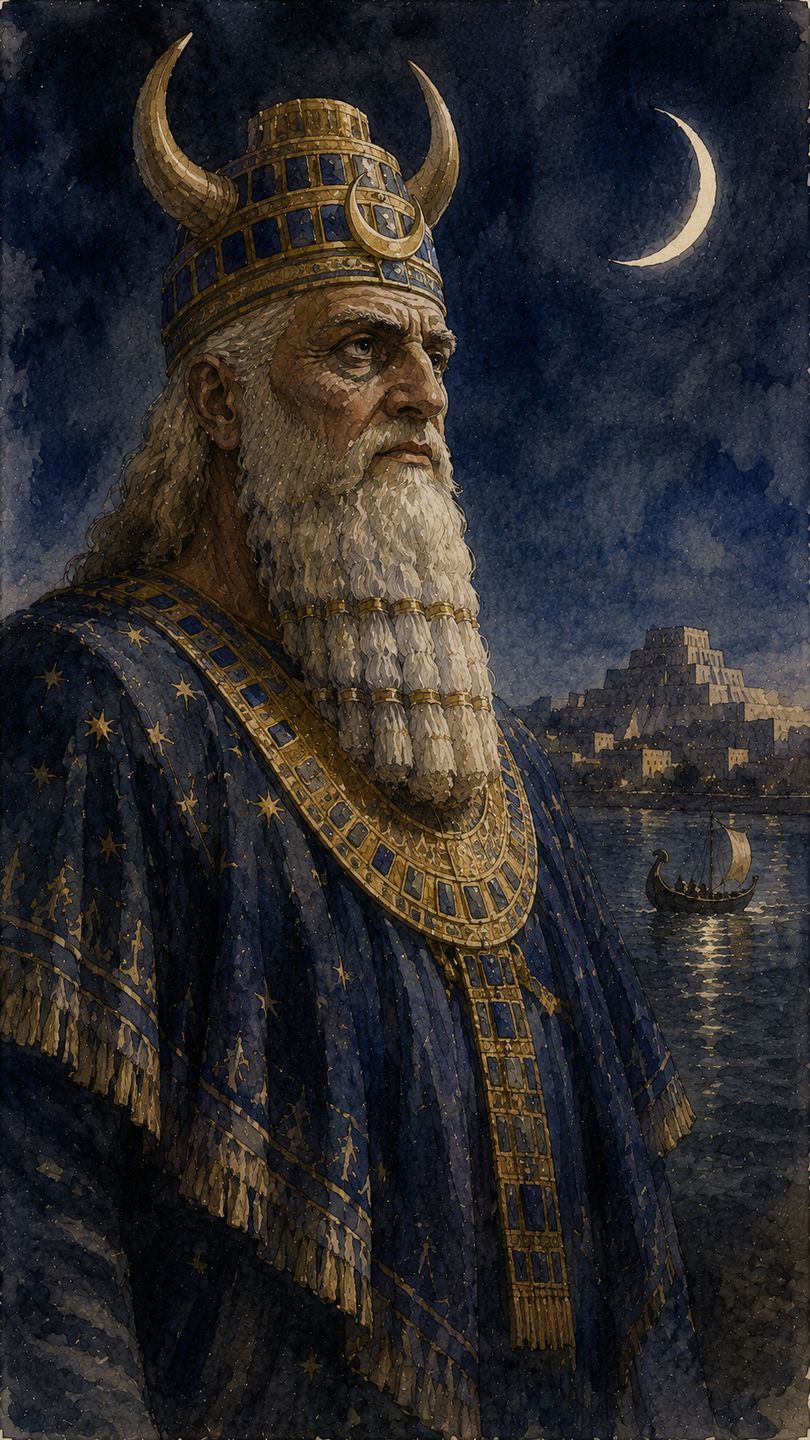
Tal como se atestiguaThe moon god of Ur, whose great ziggurat still stands, and the second of the three doors that refuse the minister in Inana's descent.
the gatekeeper
Tal como se atestiguaThe chief gatekeeper of the underworld, who takes Inanna's answers at the outer gate and works the seven gates by instruction.
the sukkal, Inanna's minister
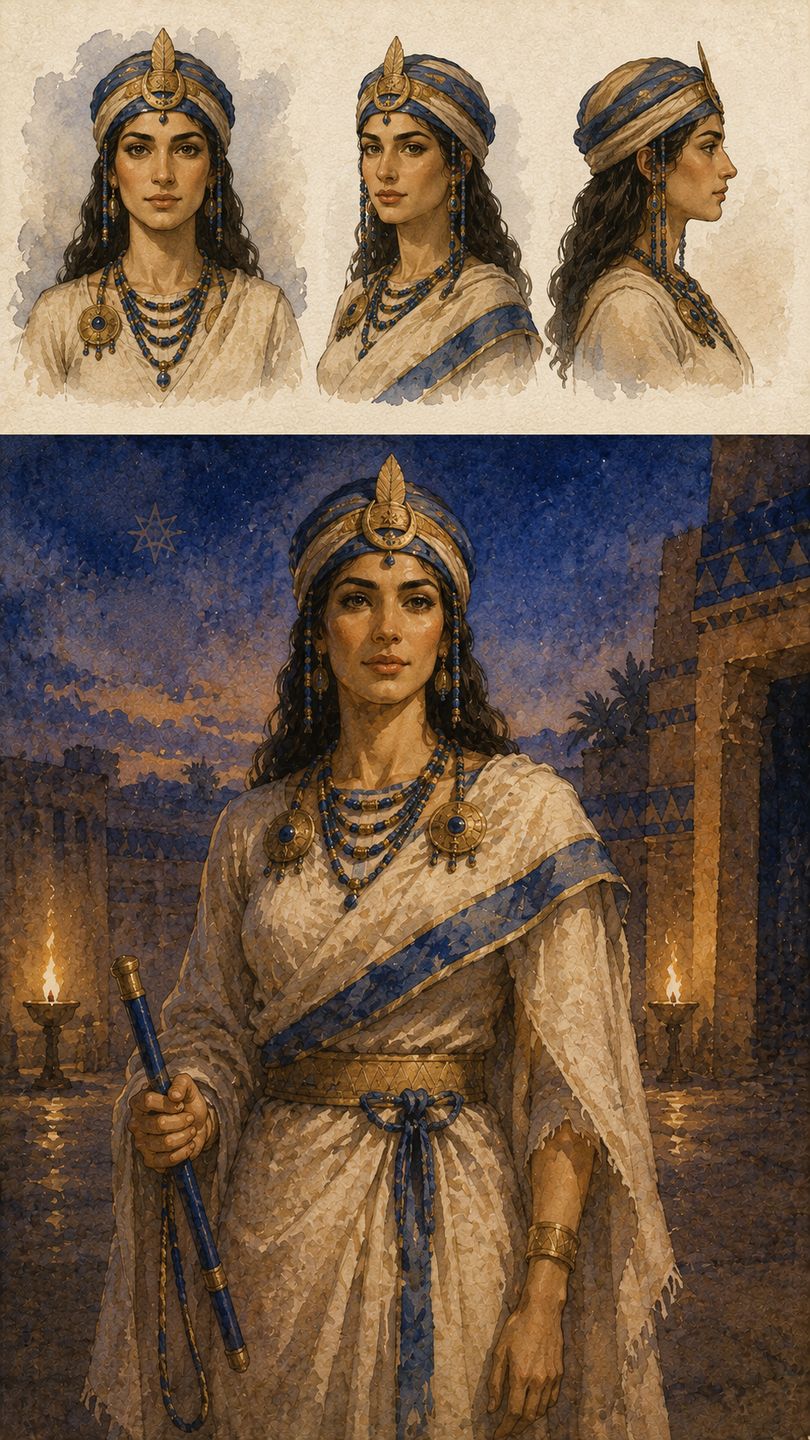
Tal como se atestiguaInanna's sukkal, her minister and a deity in her own right, who is given the contingency before the descent and walks the three doors in order.
the wild one made to match a king
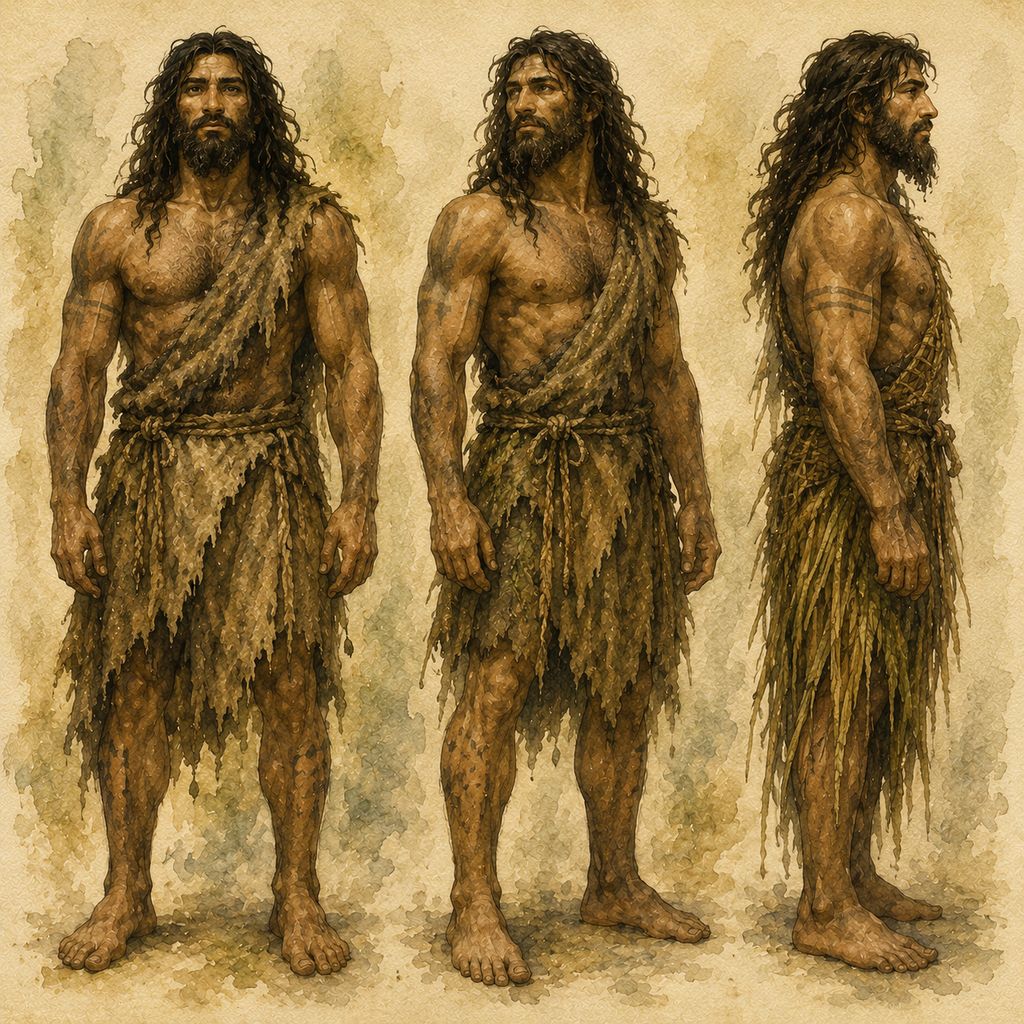
Atestiguado, y recontadoShaped by the gods from clay and open country to be Gilgamesh's match, he became his brother instead, and his death is what sends the king after deathlessness.
queen of the great earth
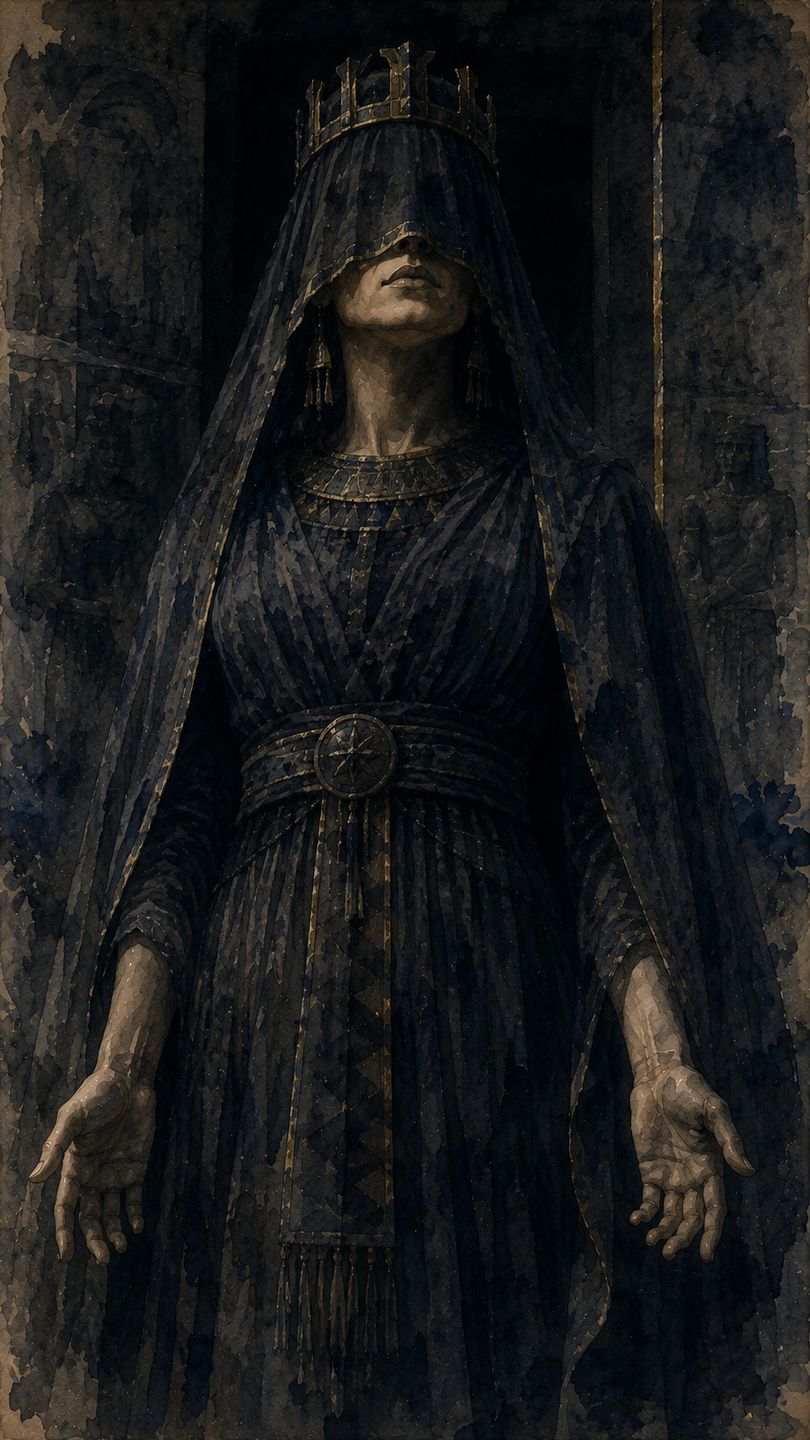
Atestiguado, y recontadoQueen of the great earth and mistress of the land of no return: the underworld's lawful ruler, and the elder sister who hangs Inanna on a hook.
the keeper of the cedar
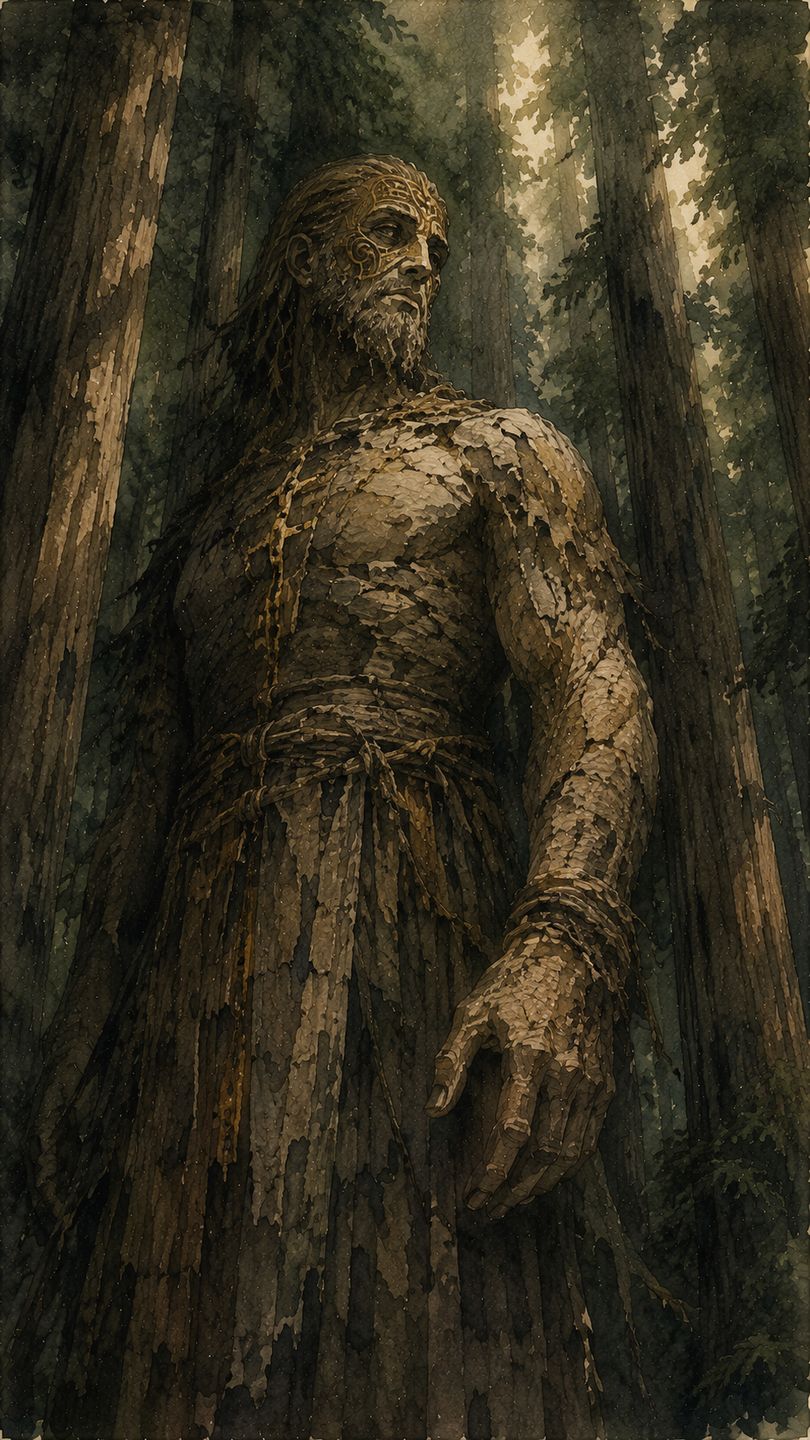
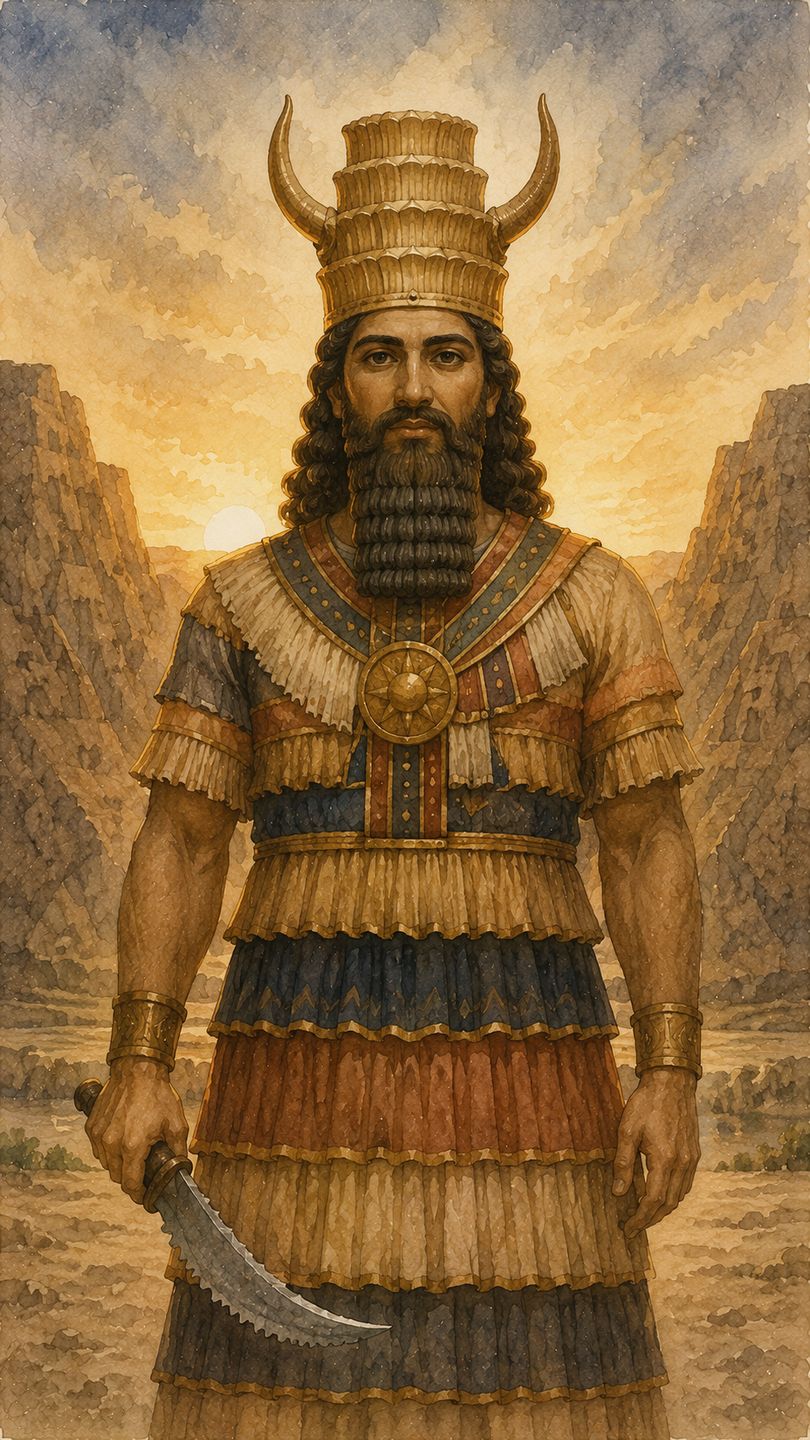
Atestiguado, y recontadoThe keeper of the Cedar Forest, appointed to his post by Enlil and killed by Gilgamesh and Enkidu in the Epic's most famous victory.
the scorching edge
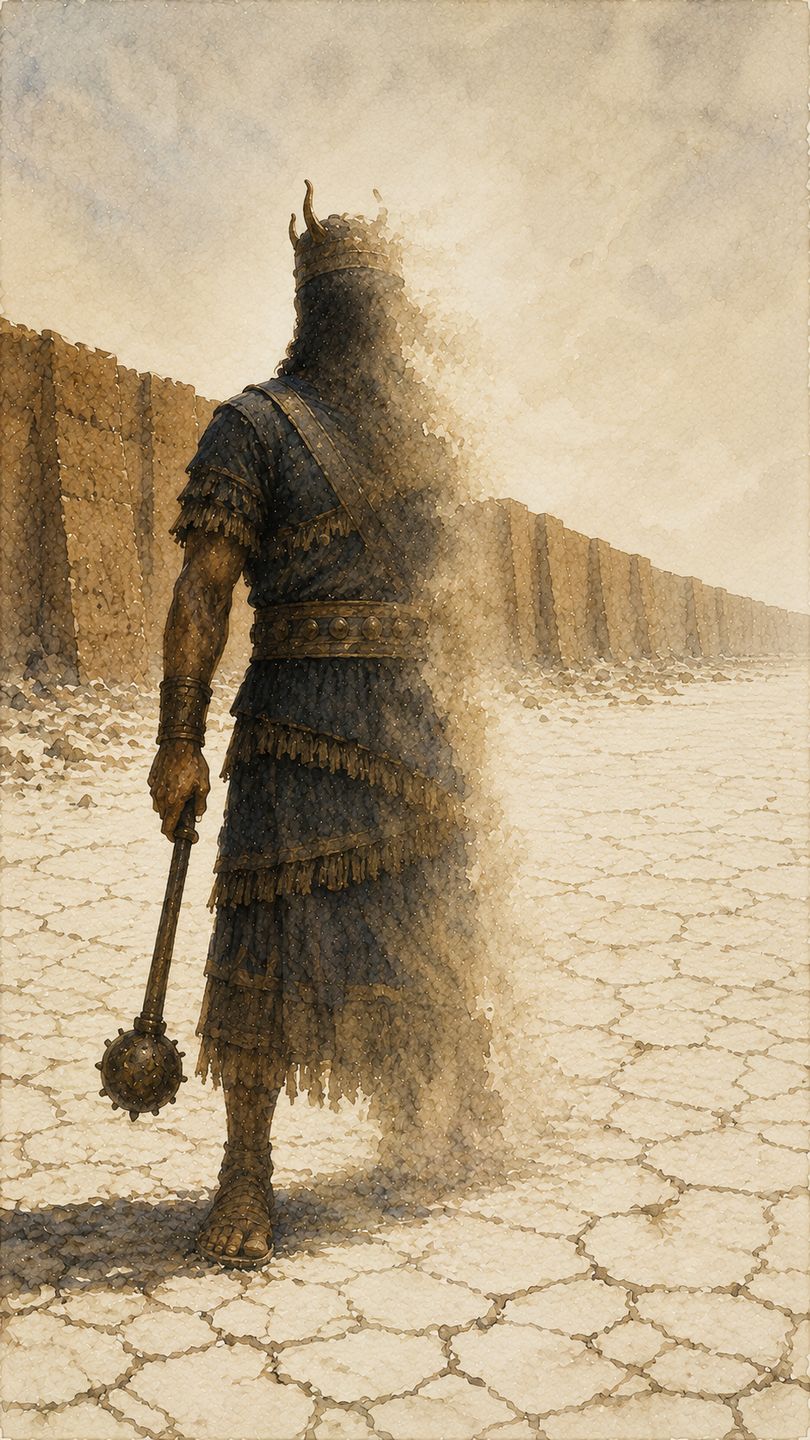
Atestiguado, y recontadoGod of plague, war and the scorching sun, who becomes the underworld's other throne by taking Ereshkigal as his consort.
lady wild cow
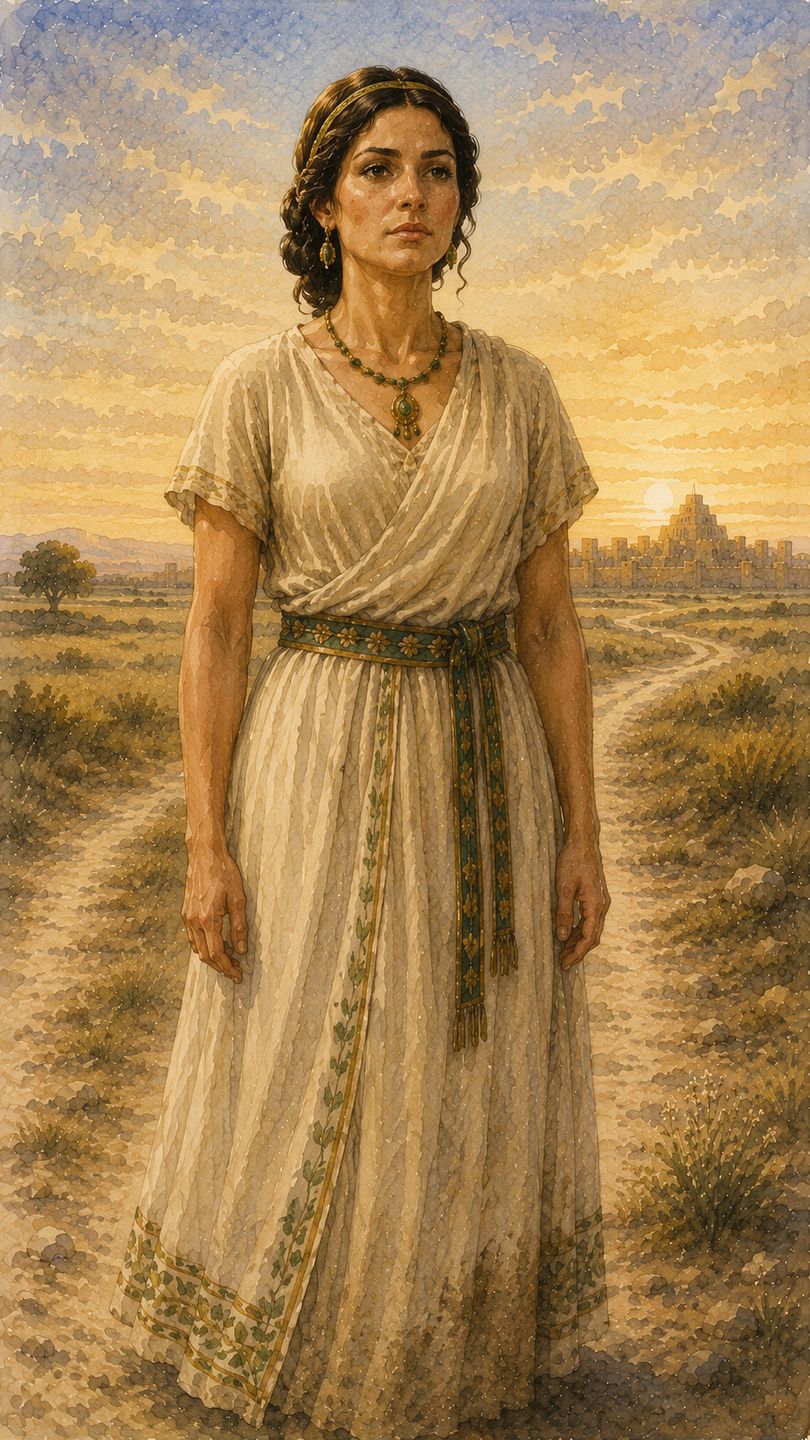
Atestiguado, y recontadoThe wise goddess of the Epic of Gilgamesh, dream-reader for her son, and the mother through whom the bloodline of Uruk's kings runs.
the sun, and the judge of what it touches
Atestiguado, y recontadoThe sun god and the judge of what the day touches: the god travellers and the wronged called on first, and Gilgamesh's ally against Humbaba.
Sigue explorando la Crónica