Historia
Una cronología de la Mesopotamia antigua
11 periodos, desde las primeras aldeas agrícolas de la llanura aluvial del sur hasta el día de 1872 en que un conservador leyó un relato del diluvio más antiguo que el Génesis. Fechados con toda la cautela que permite la evidencia, y con fuentes en todo momento.
Tres mil años de escritura, y luego mil setecientos años de silencio. Esta es su forma: cuándo corrió cada periodo, qué cambió en él y dónde seguir leyendo. Los periodos son historia real de principio a fin; lo que colocamos encima, nuestra versión, aparece solo al pie de la página, marcado como nuestro.
hacia 5500 a 4000 a. n. e.(aproximado)
El periodo de El Obeid
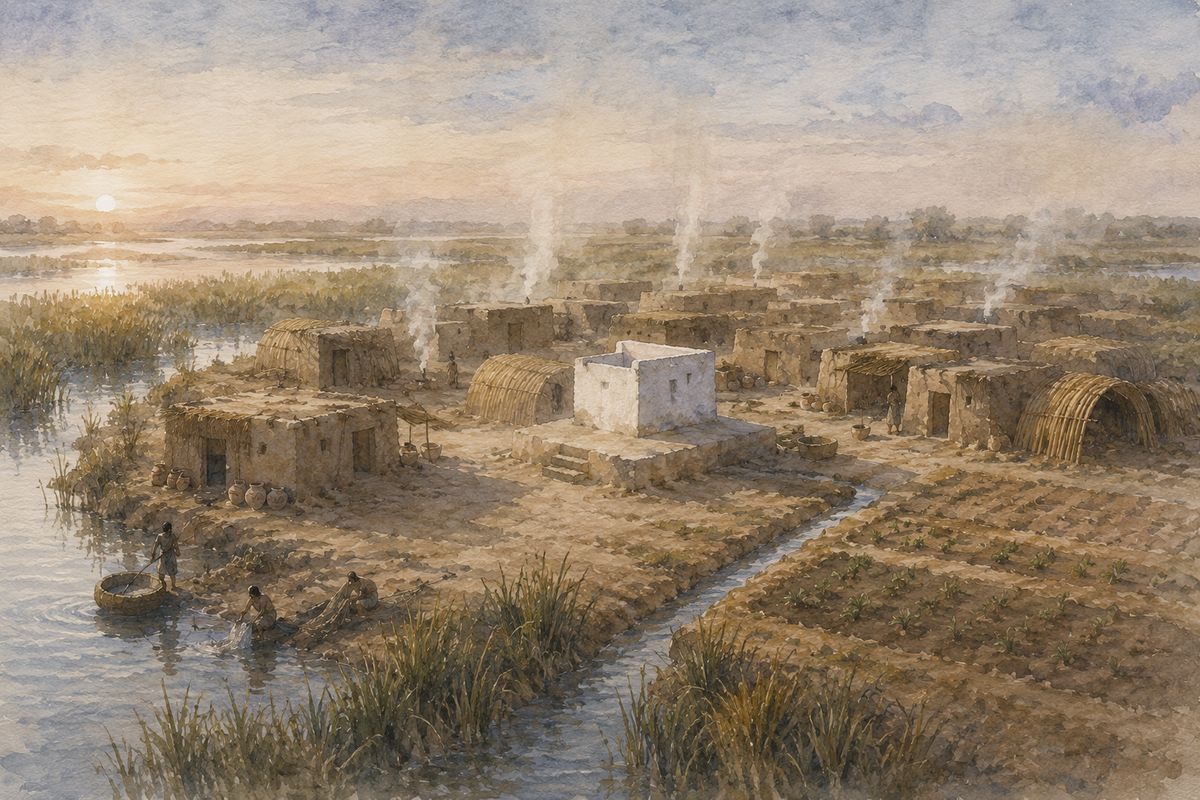
Las aldeas agrícolas se extienden por la llanura de inundación del sur y se levantan las primeras plataformas de templo, en Eridug entre otros lugares. El patrón que acabará siendo una ciudad, un santuario en el centro y el riego alrededor, ya se distingue.
Ciudades Eridug
Fuentes: Ubaid period · Eridu
hacia 4000 a 3100 a. n. e.(aproximado)
El periodo de Uruk
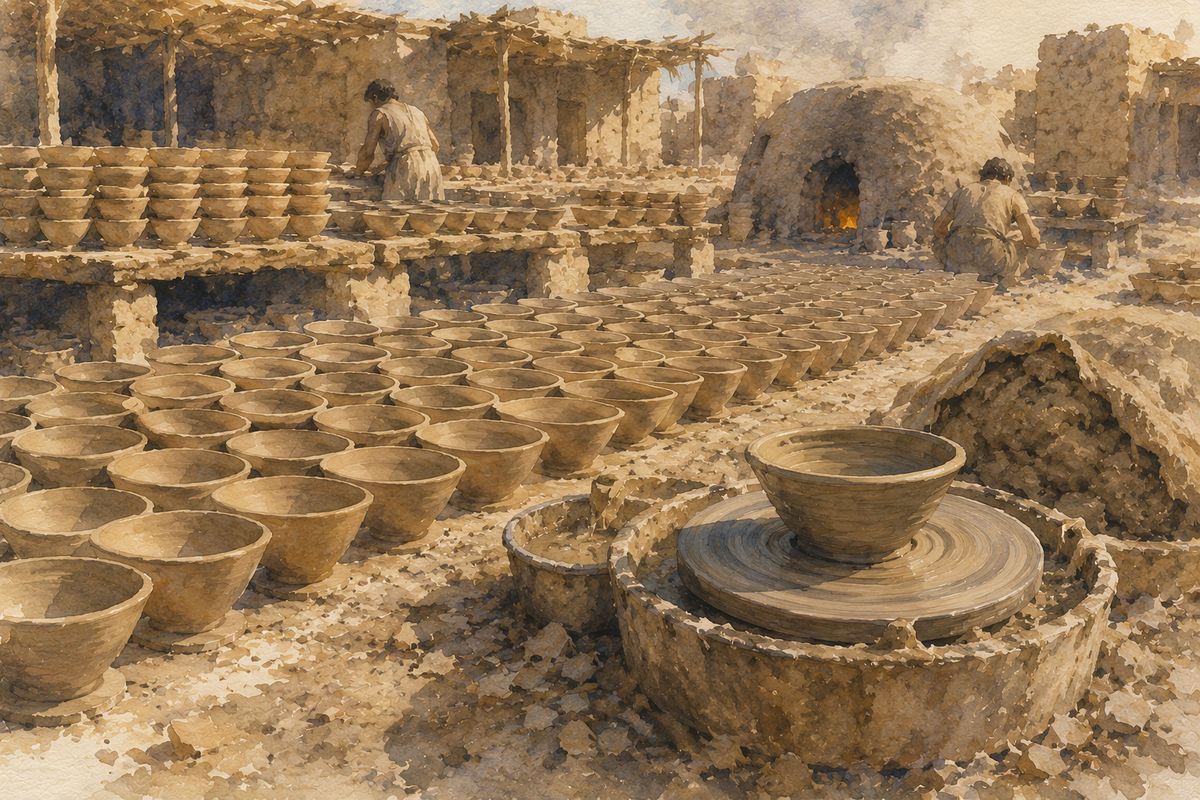
Uruk crece hasta ser probablemente la primera ciudad verdadera del mundo, decenas de miles de personas tras una gran muralla. La edad de las primeras veces: arquitectura monumental de templo, el torno de alfarero rápido, cuencos de borde biselado en serie, y la escritura más antigua conocida, que empieza como contabilidad de templo y no como literatura.
Leer más: Uruk se alza, la primera gran ciudad · La escritura cuneiforme y la primera escritura
Fuentes: Uruk period · Uruk · Proto-cuneiform
hacia 3100 a 2900 a. n. e.(aproximado)
El periodo de Yemdet Nasr
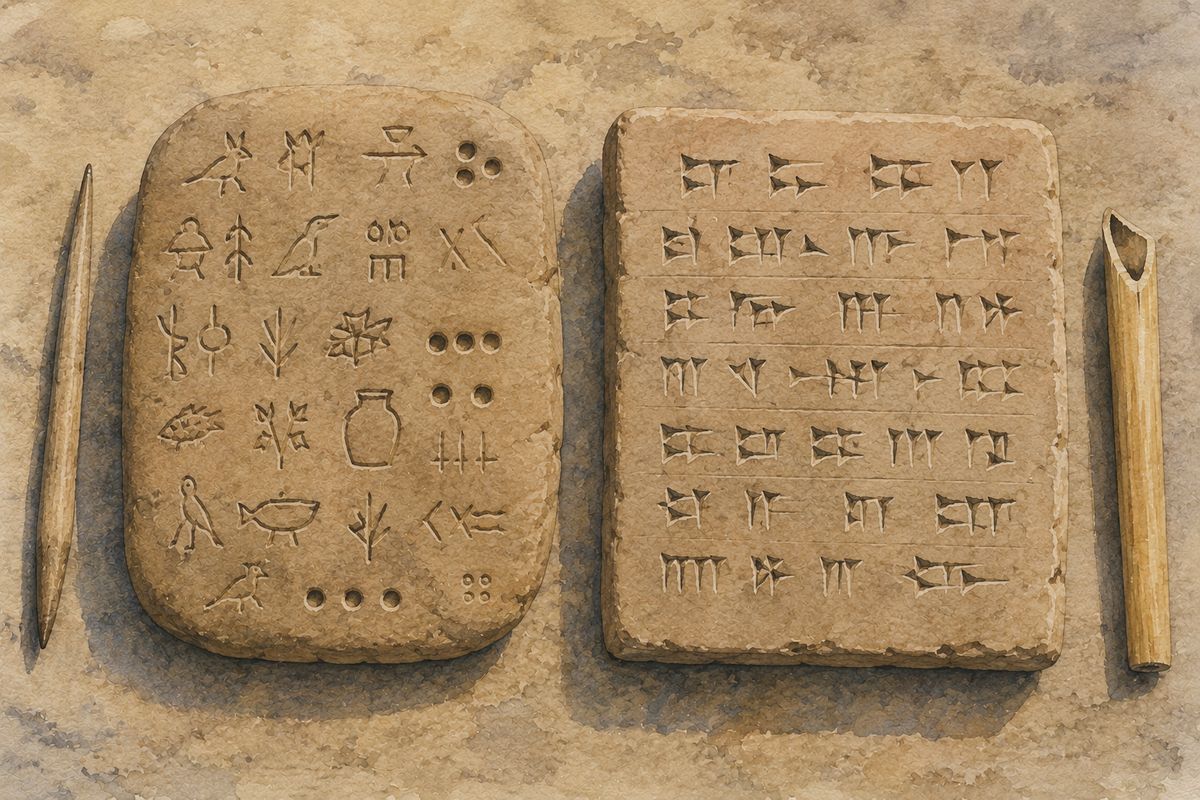
Una fase de transición breve. La escritura pasa de las imágenes a las cuñas a medida que el cálamo de caña se imprime en lugar de arrastrarse, y el inventario de signos empieza a reducirse hacia algo que un escriba podía aprender.
Ciudades Uruk
Leer más: La escritura cuneiforme y la primera escritura
Fuentes: Jemdet Nasr period · Cuneiform
hacia 2900 a 2350 a. n. e.(aproximado)
El periodo Dinástico Arcaico
Ciudades estado rivales, Uruk, Ur, Lagash, Kish, Umma, con reyes, tratados y guerras de frontera. El Cementerio Real de Ur pertenece aquí, y también los gobernantes semilegendarios que nombra la Lista Real Sumeria, Gilgamesh entre ellos. Los sellos cilíndricos se vuelven el instrumento corriente de la autoridad.
En este periodo: Mesannepada · Enmerkar · Gilgamesh · Lugalbanda · Puabi
Fuentes: Early Dynastic Period (Mesopotamia) · Sumerian King List · Cylinder seal
hacia 2334 a 2154 a. n. e.(aproximado)
El imperio acadio
Sargón de Acad reúne las ciudades sumerias bajo un solo poder, el primer imperio de la región. El acadio, una lengua semítica, se escribe con los mismos signos cuneiformes que el sumerio, y durante siglos ambos se leen a la vez.
En este periodo: Sargon of Akkad · Enheduanna · Naram-Sin
Fuentes: Akkadian Empire · Sargon of Akkad
hacia 2112 a 2004 a. n. e.(aproximado)
La Tercera Dinastía de Ur
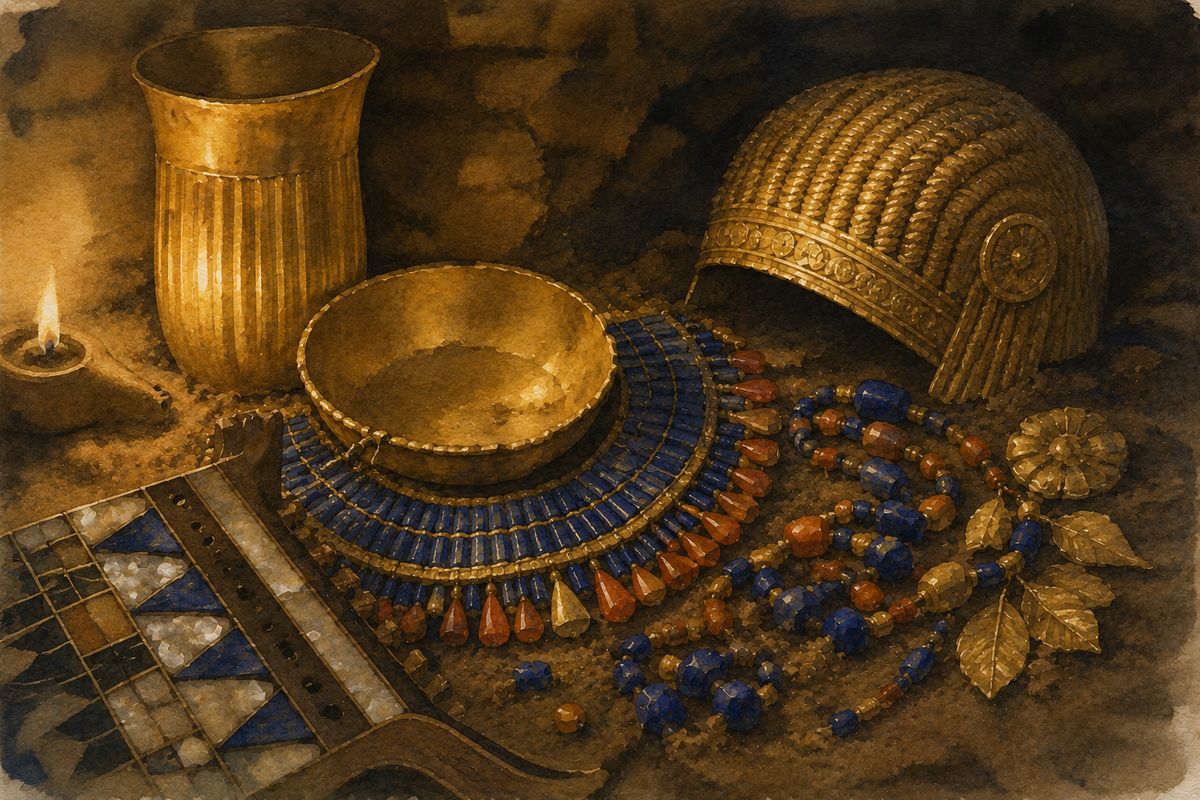
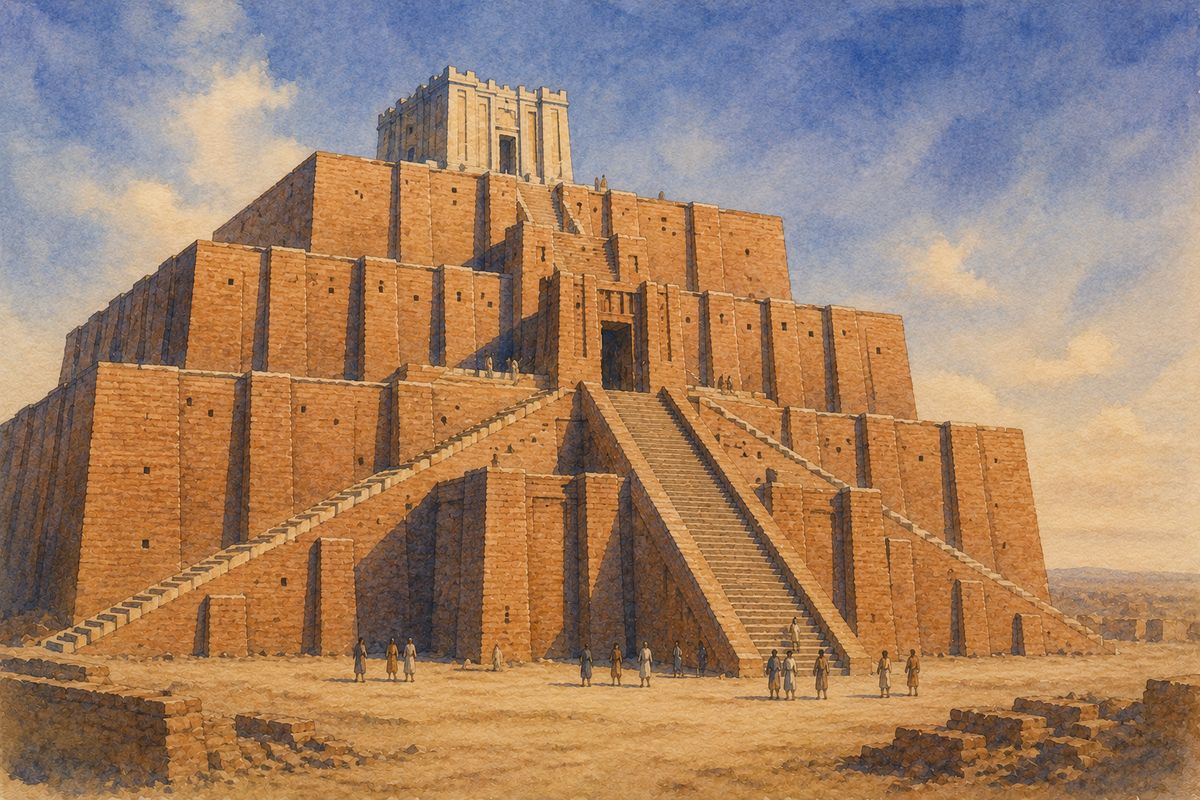
El último gran estado de lengua sumeria. Ur-Nammu levanta el zigurat sobre la casa de Nanna y su hijo Shulgi mantiene una administración que deja decenas de miles de tablillas. Termina hacia 2004 a. n. e. bajo Ibbi-Sin, una caída llorada en la Lamentación por Ur.
En este periodo: Ur-Nammu · Shulgi · Ibbi-Sin
Fuentes: Third Dynasty of Ur · Ziggurat of Ur · ETCSL
hacia 2000 a 1595 a. n. e.(aproximado)
El periodo paleobabilónico
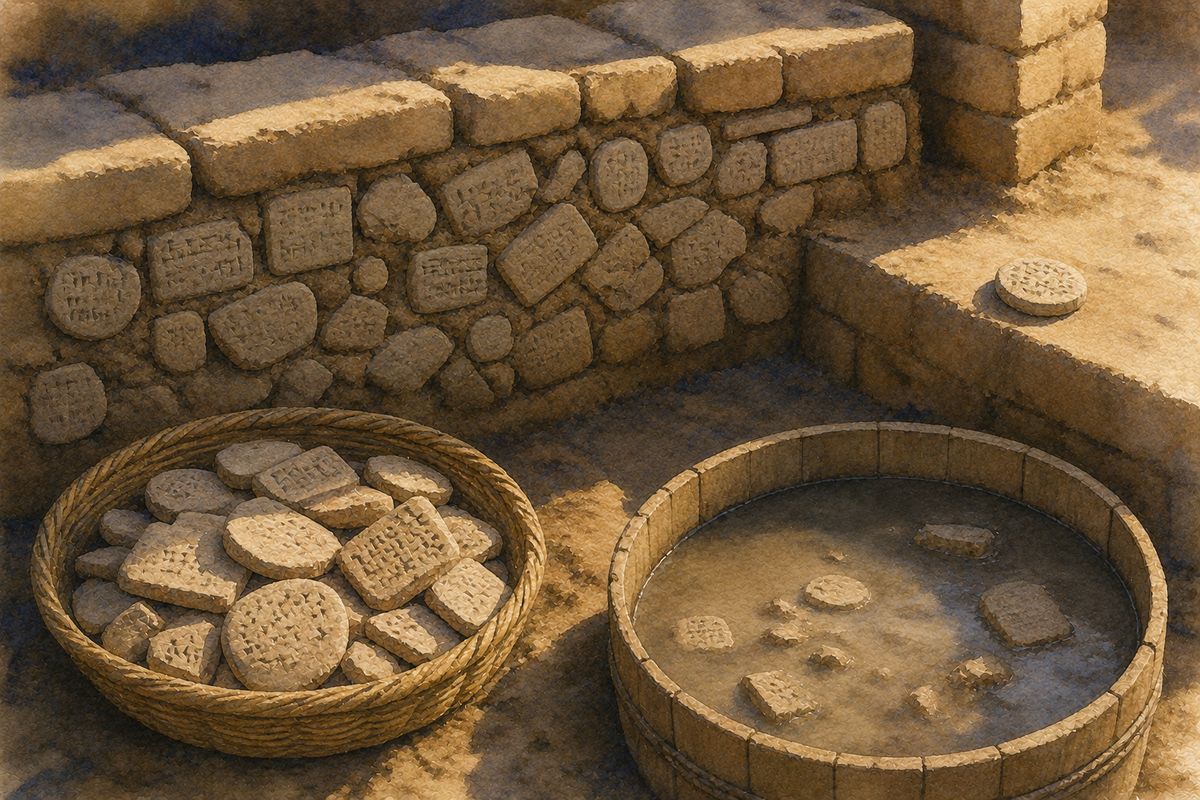
El sumerio sobrevive como lengua erudita y litúrgica más que hablada, y las escuelas de escribas lo copian sin parar, que es justamente por lo que podemos leer literatura sumeria. La mayoría de las copias conservadas de los grandes poemas son ejercicios escolares de estos siglos, buena parte excavados en Nippur.
Leer más: La escritura cuneiforme y la primera escritura
Fuentes: First Babylonian dynasty · Eduba · ETCSL
hacia 911 a 609 a. n. e.
El imperio neoasirio
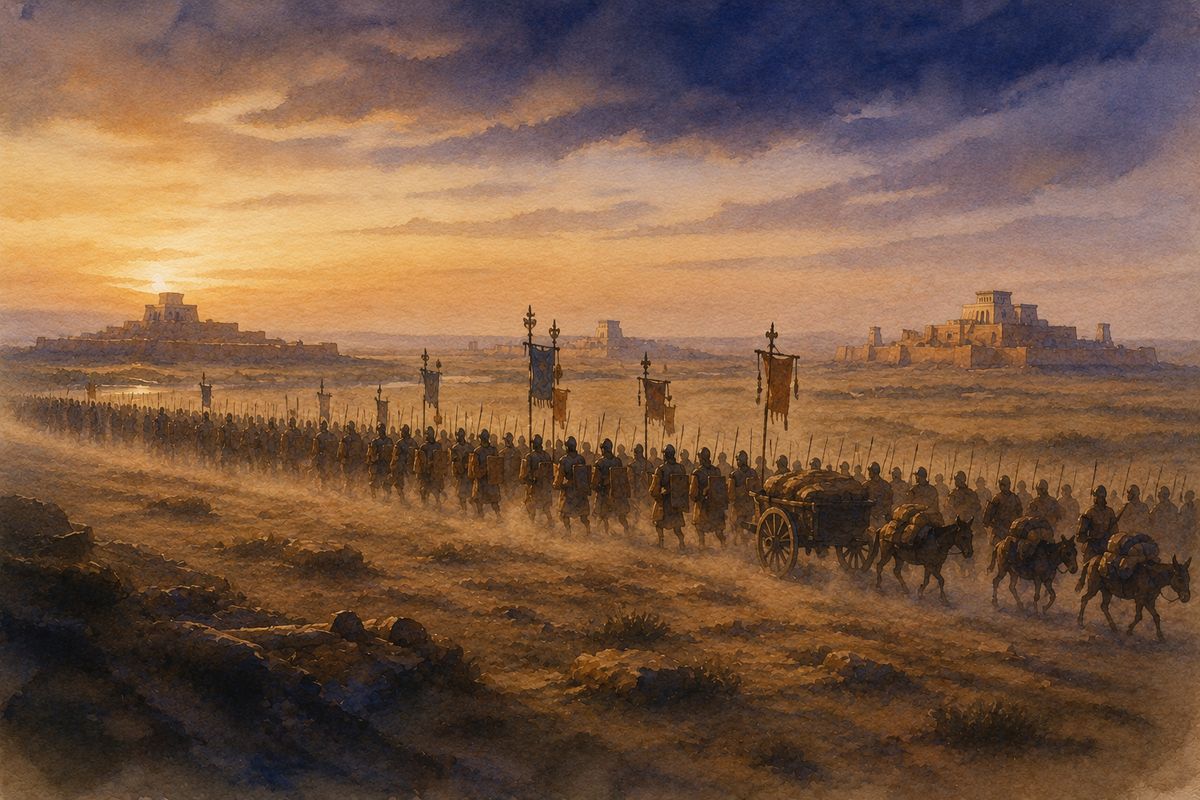
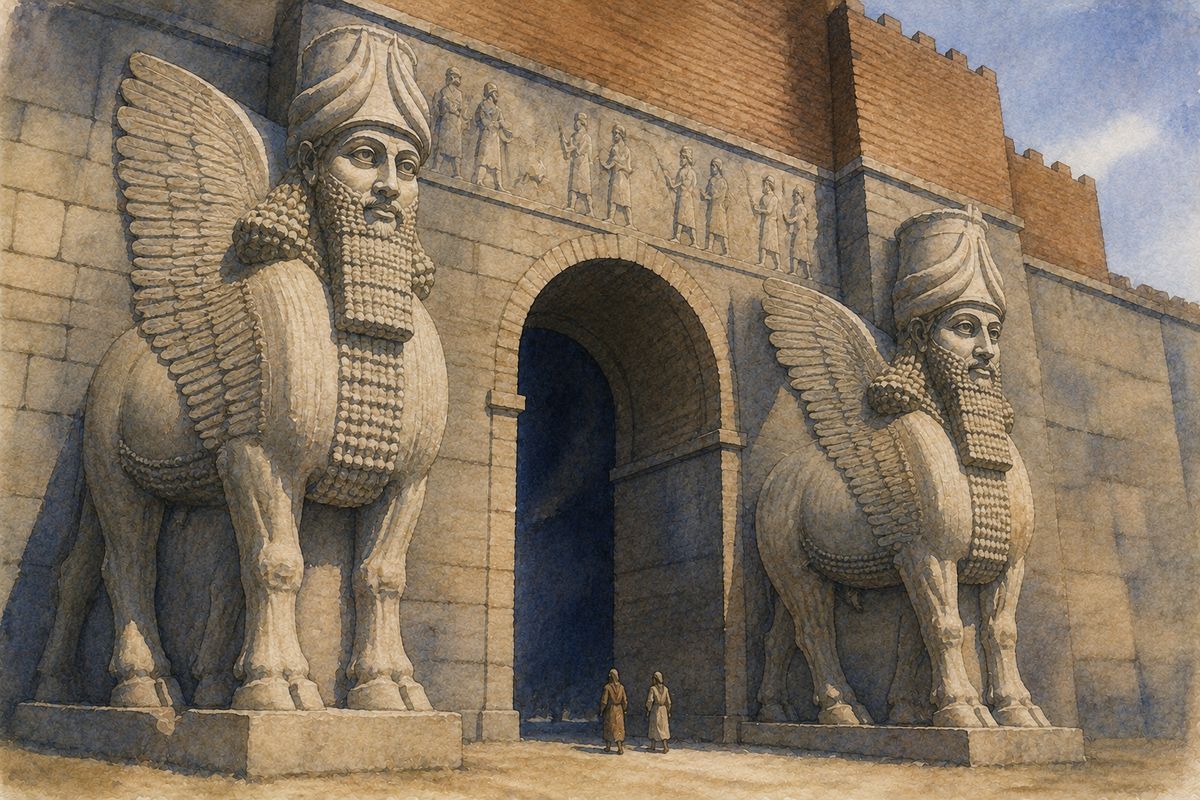
Asiria gobierna desde Nínive, y Asurbanipal reúne una biblioteca destinada a contener toda la tradición escrita, recogiendo a propósito textos babilónicos y sumerios más antiguos. Ese acto de acumulación es la razón de que la Epopeya de Gilgamesh sobreviviera hasta ser hallada.
Ciudades Nineveh
En este periodo: Sennacherib · Ashurbanipal
Leer más: El redescubrimiento de Gilgamesh (Nínive, década de 1850; la lectura de 1872)
Fuentes: Neo-Assyrian Empire · Library of Ashurbanipal · Nineveh
626 a 539 a. n. e.
El periodo neobabilónico
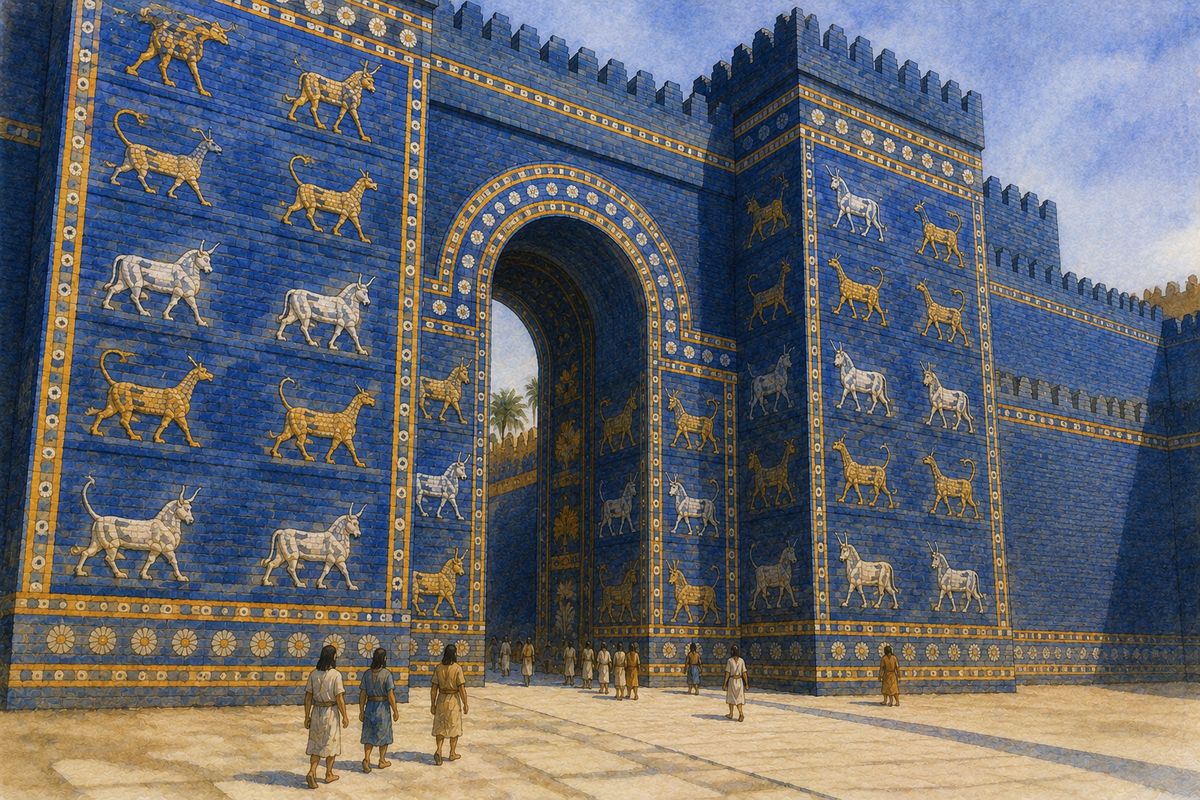
La última edad de independencia de Babilonia. Nabucodonosor II reconstruye el zigurat Etemenanki y la Puerta de Ishtar, el ladrillo azul vidriado que casi todo el mundo imagina hoy al pensar en Mesopotamia, aunque llega unos dos mil quinientos años después de la fundación de Uruk.
Fuentes: Neo-Babylonian Empire · Etemenanki · Ishtar Gate
desde 539 a. n. e.
El dominio persa y después
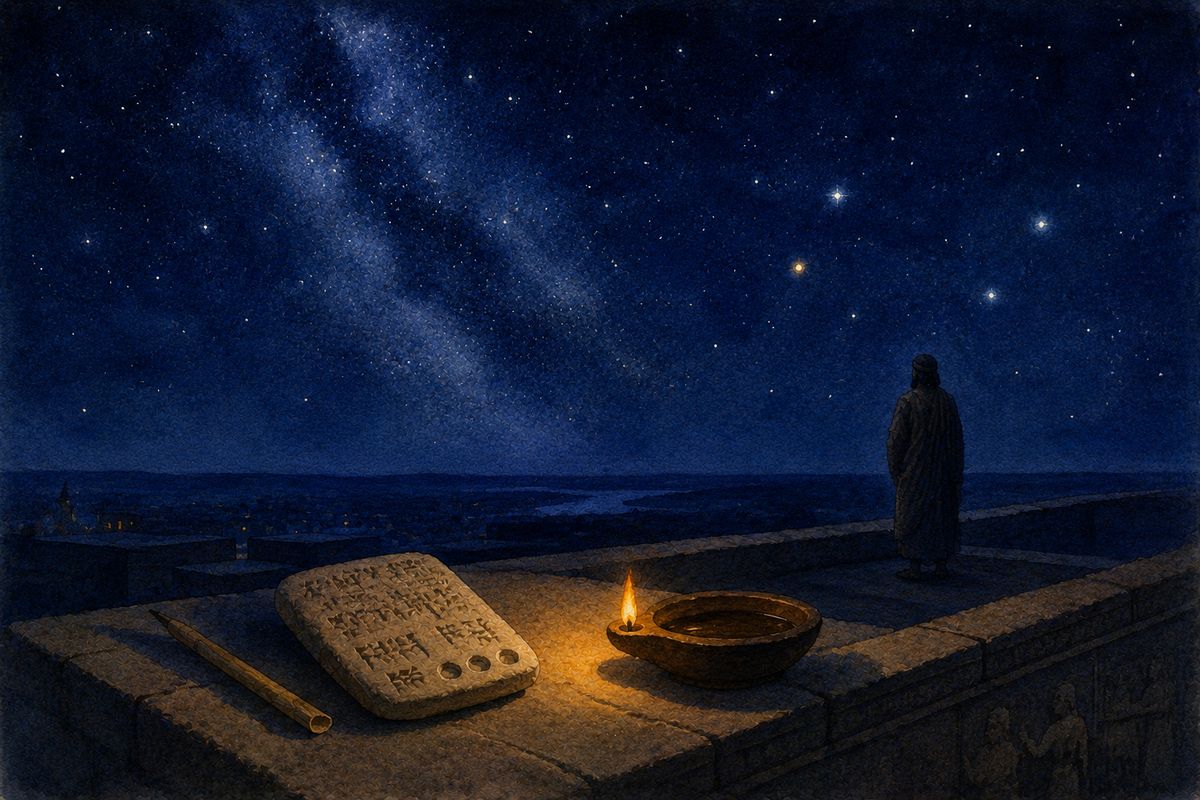
Ciro toma Babilonia en 539 a. n. e. El cuneiforme sigue escribiéndose durante siglos después del fin de la independencia política, sobre todo por astrónomos y escribas de templo; la última tablilla cuneiforme datable con seguridad es un texto astronómico de hacia 75 de n. e. Luego la escritura simplemente se olvida, y sigue olvidada más de mil setecientos años.
Leer más: La escritura cuneiforme y la primera escritura
Fuentes: Achaemenid Empire · Cuneiform
de la década de 1840 a 1872
El redescubrimiento
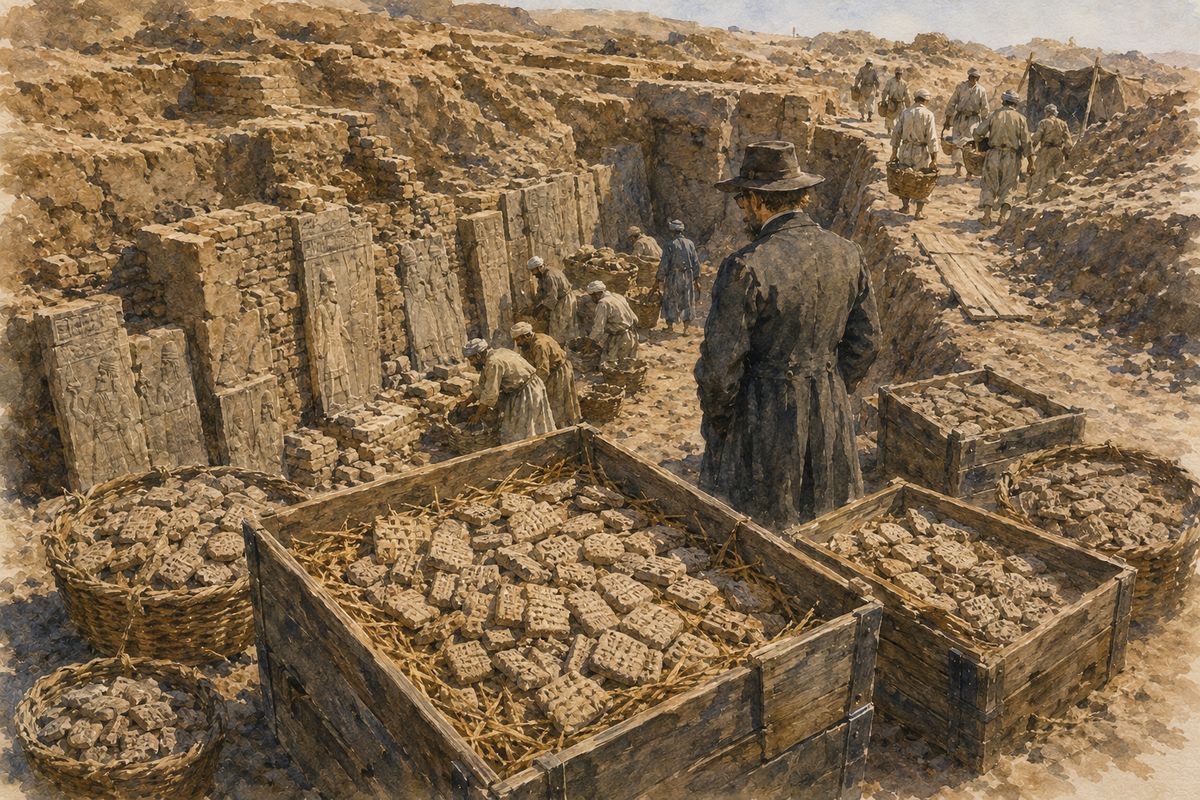
Las excavaciones europeas en Nínive y Nimrud envían miles de tablillas a Europa. En 1872 George Smith, revisando el material de Asurbanipal en el Museo Británico, lee un relato del diluvio más antiguo que el Génesis y comprende lo que tiene en las manos. La literatura de Sumer y Babilonia vuelve al mundo, y todo lo que hay en estas páginas depende de eso.
Ciudades Nineveh
Leer más: El redescubrimiento de Gilgamesh (Nínive, década de 1850; la lectura de 1872)
Fuentes: George Smith (Assyriologist) · Library of Ashurbanipal · Epic of Gilgamesh
Cómo leer estas fechas
Las fechas absolutas de la historia mesopotámica son convenciones, no mediciones. Estas siguen la cronología media, la más usada entre varios esquemas rivales; las alternativas desplazan el III y el II milenio entre décadas y más de un siglo. Todo lo anterior al final del II milenio a. C. está genuinamente discutido, y cada horquilla marcada como aproximada es un intervalo académico, no un redondeo.
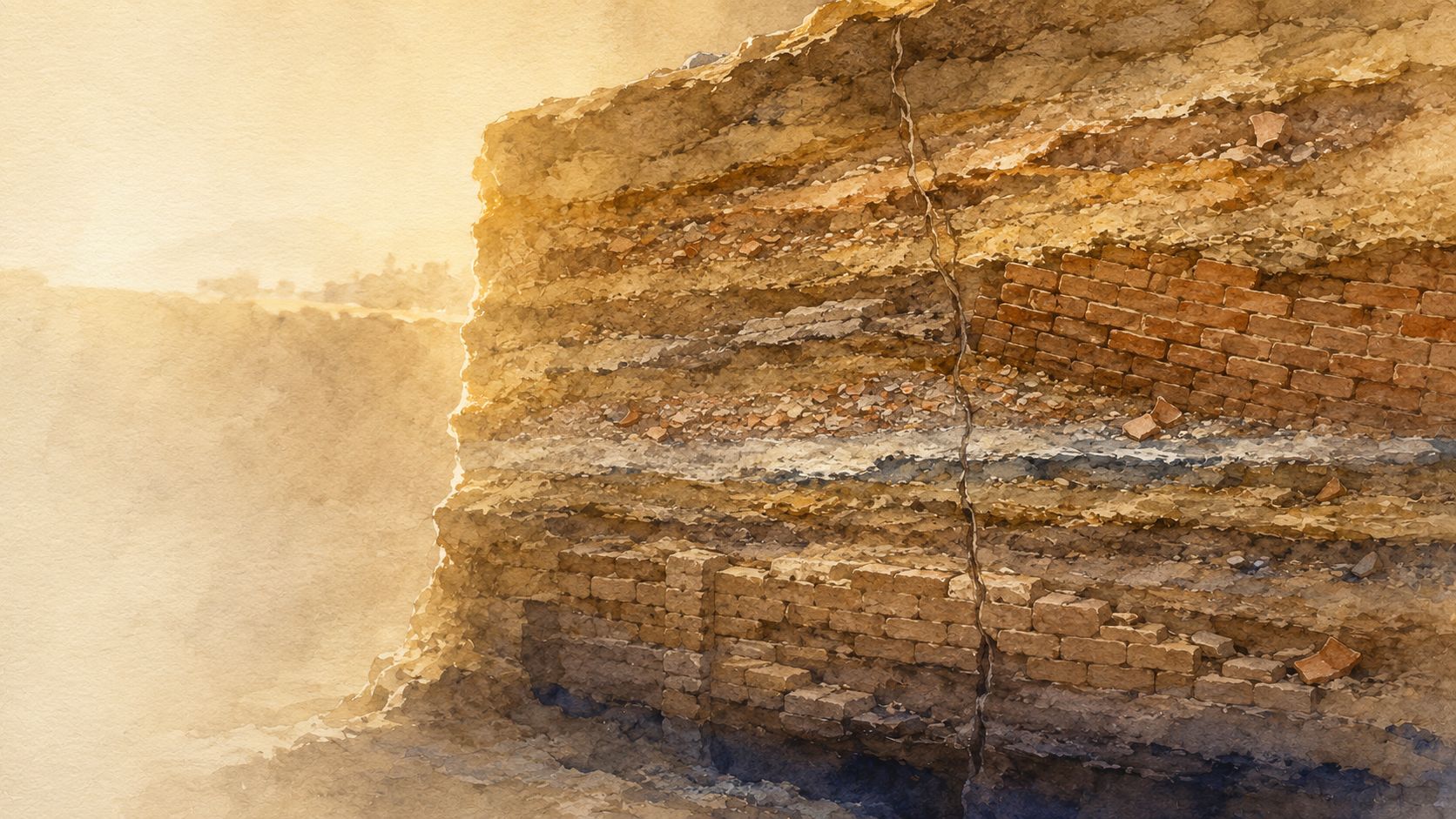
Una corrección que conviene hacer pronto: el ladrillo esmaltado azul que la mayoría imagina al pensar en Mesopotamia es neobabilónico, del siglo VI a. C. Eso es unos dos mil quinientos años después de la fundación de Uruk. Las murallas de Uruk eran de adobe, y sus templos estaban revestidos con miles de pequeños conos de arcilla negros, rojos y beige.
La literatura sumeria no sobrevivió por suerte. Sobrevivió porque los escolares paleobabilónicos la copiaban como deberes durante siglos después de que nadie la hablara, y porque un rey asirio, en Nínive, atesoró deliberadamente la tradición antigua. Esos dos accidentes de costumbre son la razón de que todo esto pueda leerse.
Nuestra versión · Ficción
La historia que colocamos encima
Chronicles of Uruk añade una ficción sobre esta cronología. En esta página está marcada como nuestra; dentro de las historias y las cámaras es simplemente la realidad. Tres edades la sostienen:
La antigua Sumeria
Las primeras ciudades se alzan exactamente como dice el registro de arriba. En nuestra versión, algo más se mueve bajo ellas: un viejo conflicto que las tablillas nunca escribieron.
El presente
Una vida corriente se ve interrumpida por una herencia más antigua que cualquier vitrina de museo, y el viejo conflicto pasa a ser tuyo.
Un futuro lejano
Mucho más adelante, bajo una Nueva York transformada, lo que empezó en Uruk aún se está decidiendo.
Los periodos de arriba siguen siendo historia real de principio a fin; nada de este bloque se enseña como un hecho. El lore completo, con sus revelaciones, vive tras su propio aviso.
Sigue explorando la Crónica