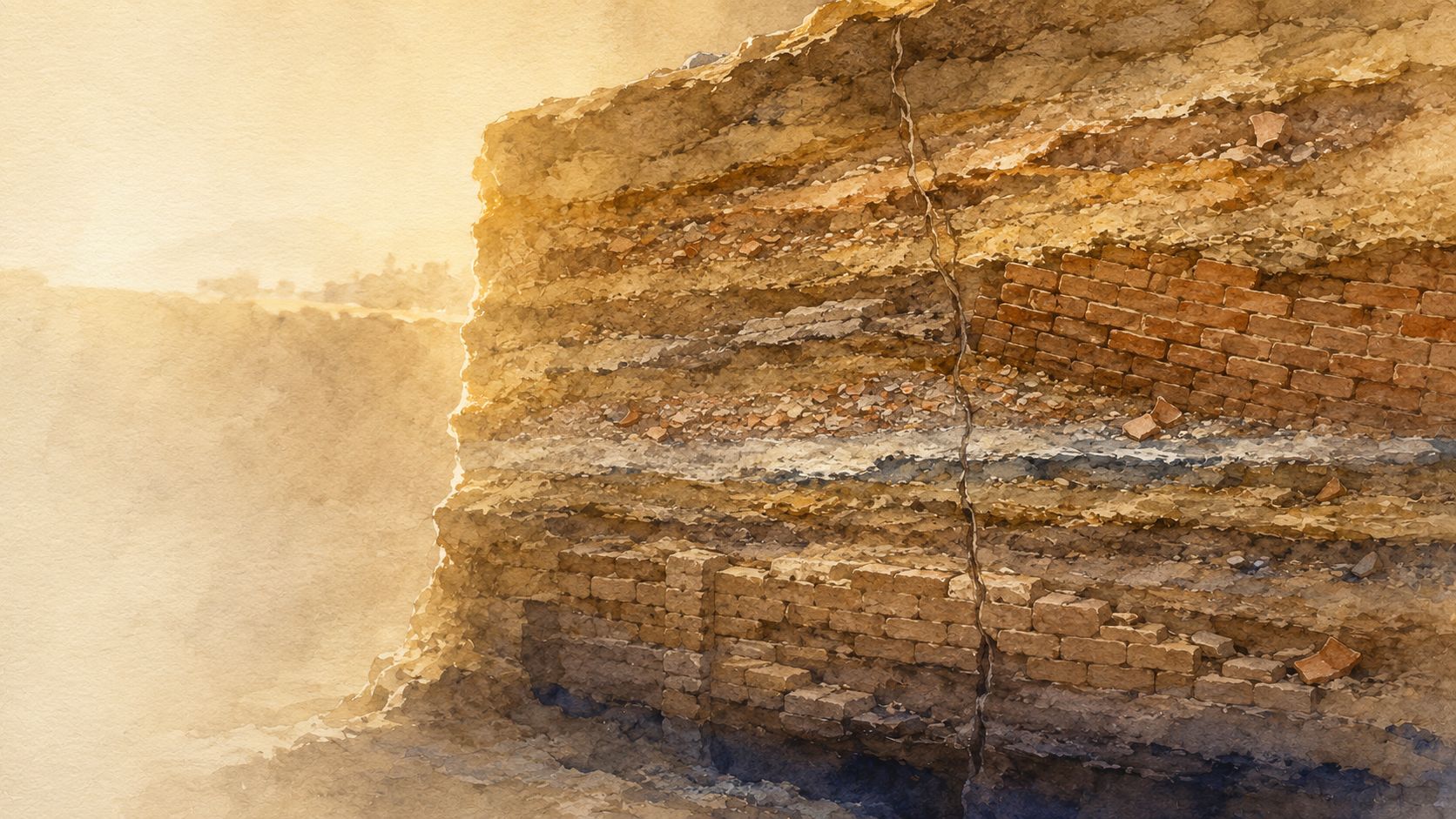
التاريخ
تسلسل زمني لبلاد الرافدين القديمة
11 حقبة، من أوّل القرى الزراعية في سهل الجنوب الرسوبي إلى يومٍ من 1872 قرأ فيه أمينُ متحف رواية طوفان أقدم من سِفر التكوين. مؤرَّخة بكل ما تسمح به الأدلة من حَذَر، وموثَّقة من أولها إلى آخرها.
ثلاثة آلاف سنة من الكتابة، ثم ألف وسبع مئة سنة من الصمت. هذه هي هيئة الحكاية: متى امتدّت كل حقبة، وما الذي تغيّر فيها، وأين تتابع القراءة. الحقب نفسها تاريخ حقيقي من أولها إلى آخرها؛ أما ما نضعه فوقها، روايتنا، فلا يظهر إلا في أسفل الصفحة موسومًا بأنه من عندنا.
نحو 5500 إلى 4000 قبل الميلاد(تقريبي)
عصر العُبيد
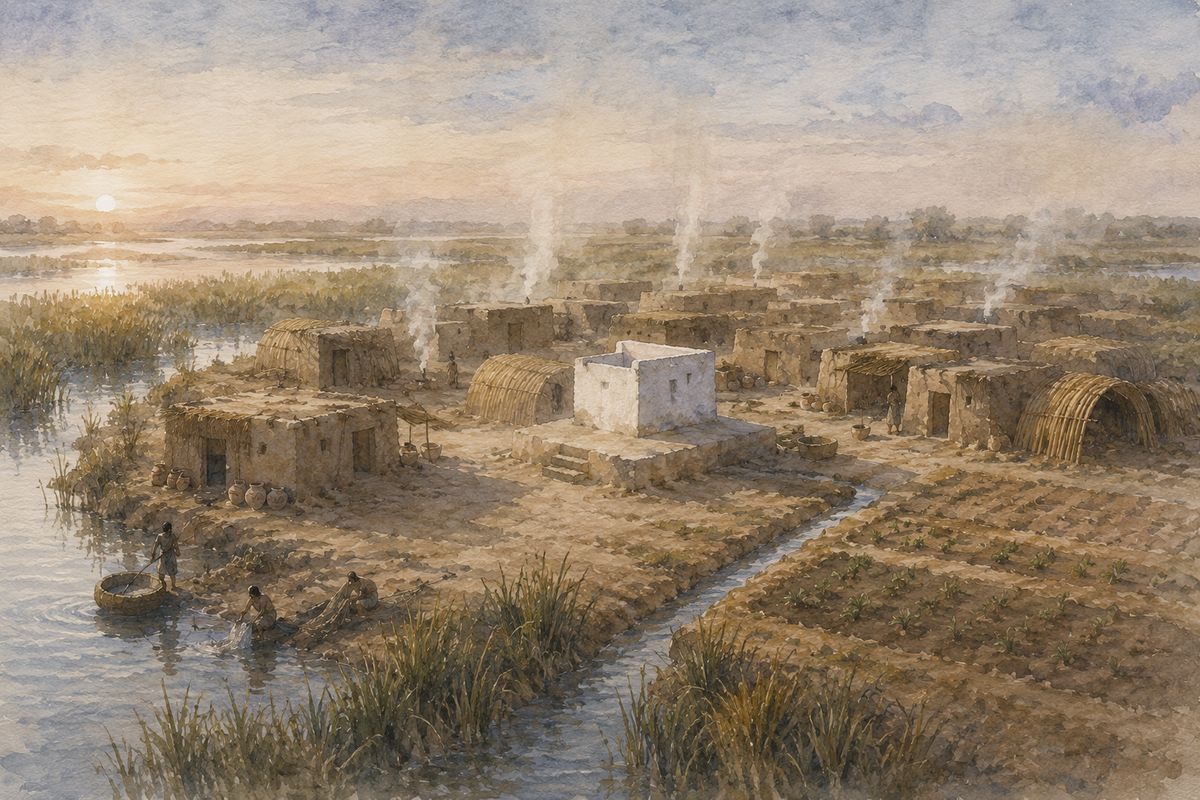
تنتشر القرى الزراعية في سهل الجنوب الغريني، وتُرفع أولى منصات المعابد، في إريدوغ وغيرها. والنمط الذي سيصير مدينة، مَقام في المركز والسقي حوله، ظاهر من الآن.
المدن Eridug
المصادر: Ubaid period · Eridu
نحو 4000 إلى 3100 قبل الميلاد(تقريبي)
عصر الوركاء
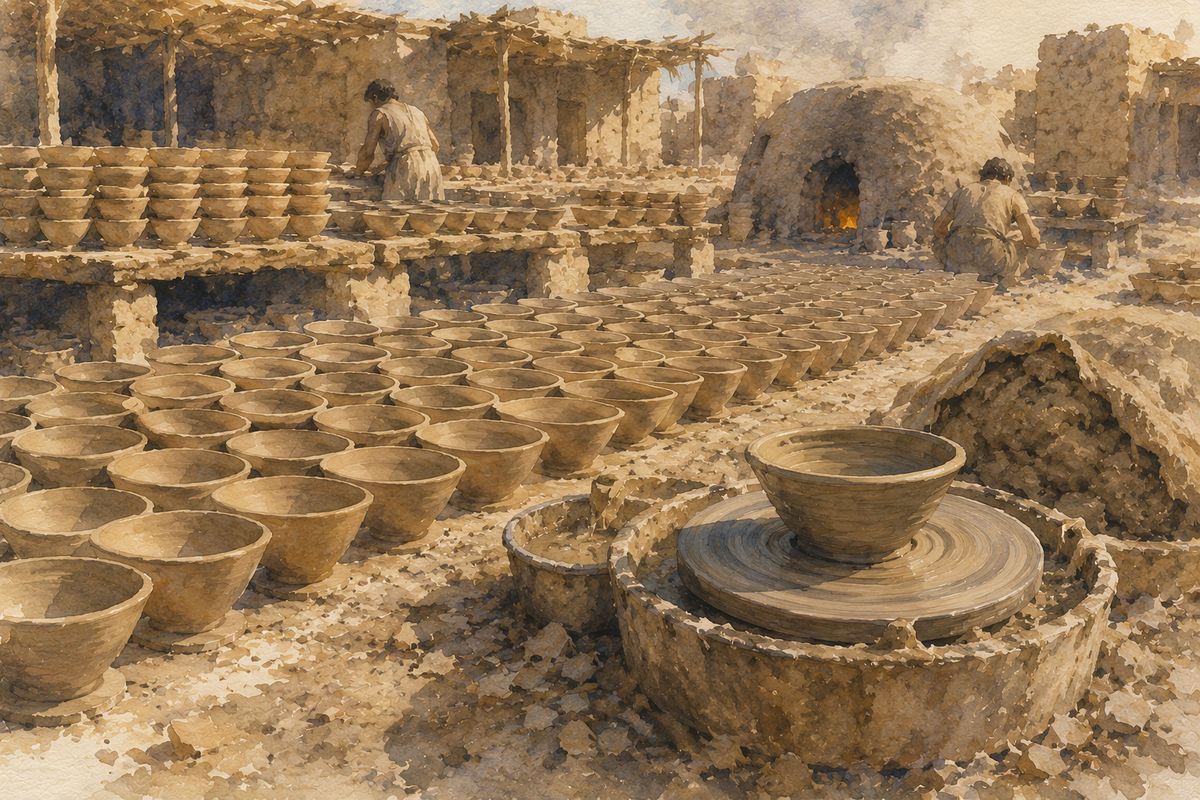
تنمو الوركاء لتكون، على الأرجح، أول مدينة حقيقية في العالم، عشرات الآلاف خلف سور عظيم. إنه عصر الأوائل: بناء المعابد الضخم، ودولاب الفخراني السريع، والأقداح ذات الحافة المشطوفة بالجملة، وأقدم كتابة معروفة، بدأت محاسبةً للمعبد لا أدبًا.
اقرأ المزيد: الوركاء تقوم، أول مدينة كبرى · الخط المسماري وأول كتابة
المصادر: Uruk period · Uruk · Proto-cuneiform
نحو 3100 إلى 2900 قبل الميلاد(تقريبي)
عصر جمدة نصر
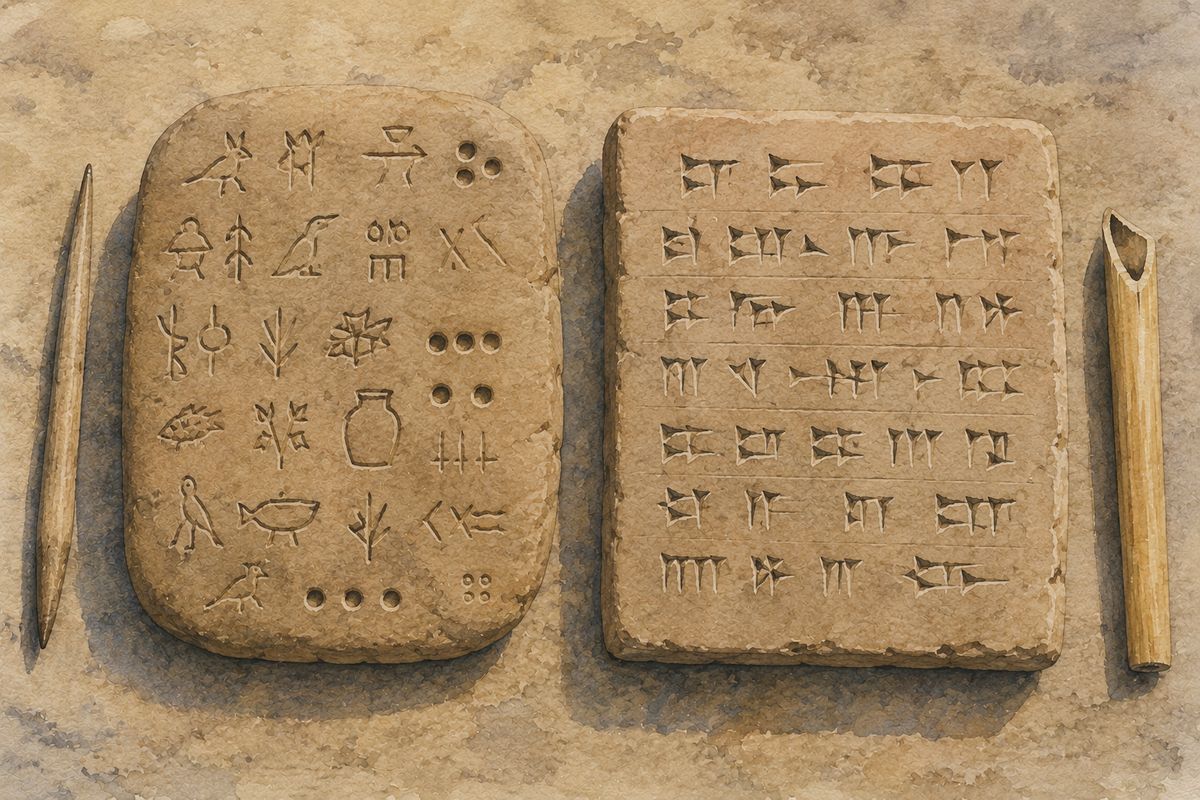
طور انتقالي قصير. تنتقل الكتابة من الصور إلى الأوتاد إذ يُضغط قلم القصب بدل أن يُجَرّ، ويبدأ عدد العلامات في الانحسار نحو ما يستطيع كاتب أن يتعلمه.
المدن Uruk
اقرأ المزيد: الخط المسماري وأول كتابة
المصادر: Jemdet Nasr period · Cuneiform
نحو 2900 إلى 2350 قبل الميلاد(تقريبي)
عصر السلالات الأولى
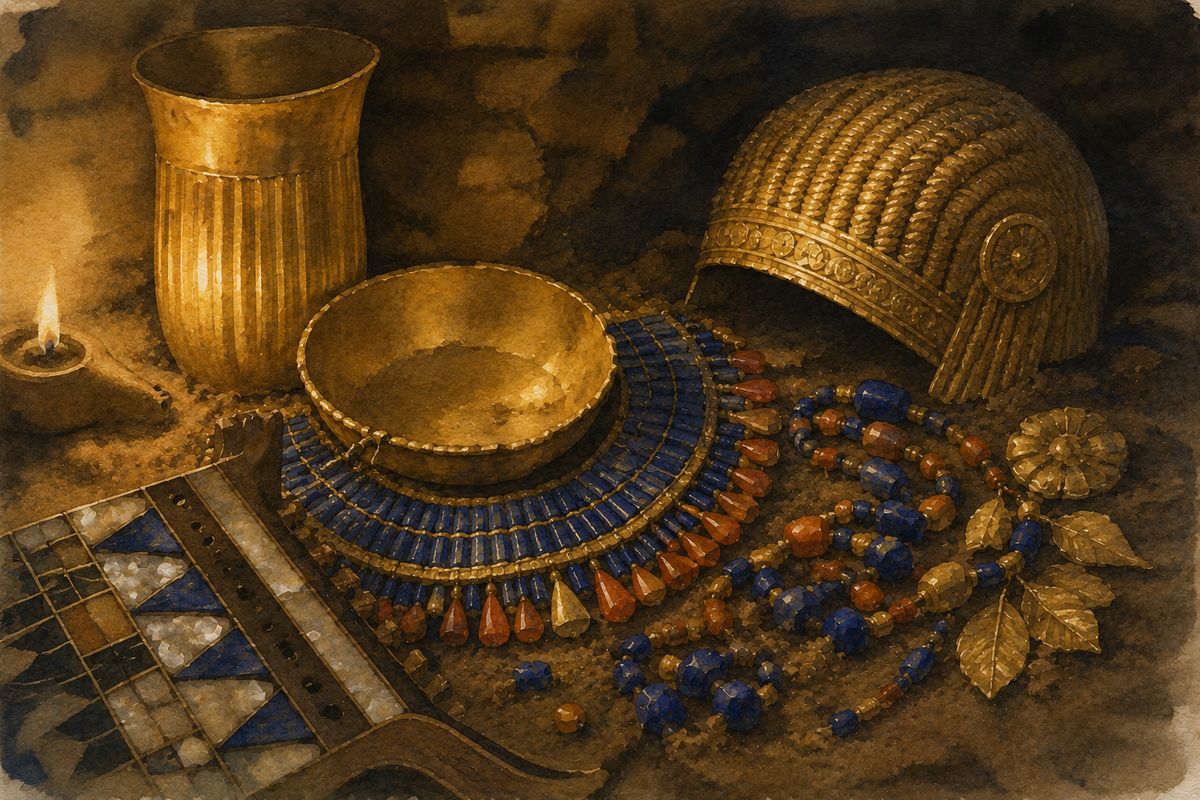
دول-مدن متنافسة، الوركاء وأور ولجش وكيش وأُمّا، بملوك ومعاهدات وحروب حدود. وإلى هذا العصر تنتمي المقبرة الملكية في أور، وكذلك الحكام أنصاف الأسطوريين الذين تسميهم قائمة الملوك السومرية، ومنهم جلجامش. وتصبح الأختام الأسطوانية أداة السلطة المعتادة.
في هذه الحقبة: Mesannepada · Enmerkar · Gilgamesh · Lugalbanda · Puabi
المصادر: Early Dynastic Period (Mesopotamia) · Sumerian King List · Cylinder seal
نحو 2334 إلى 2154 قبل الميلاد(تقريبي)
الإمبراطورية الأكدية
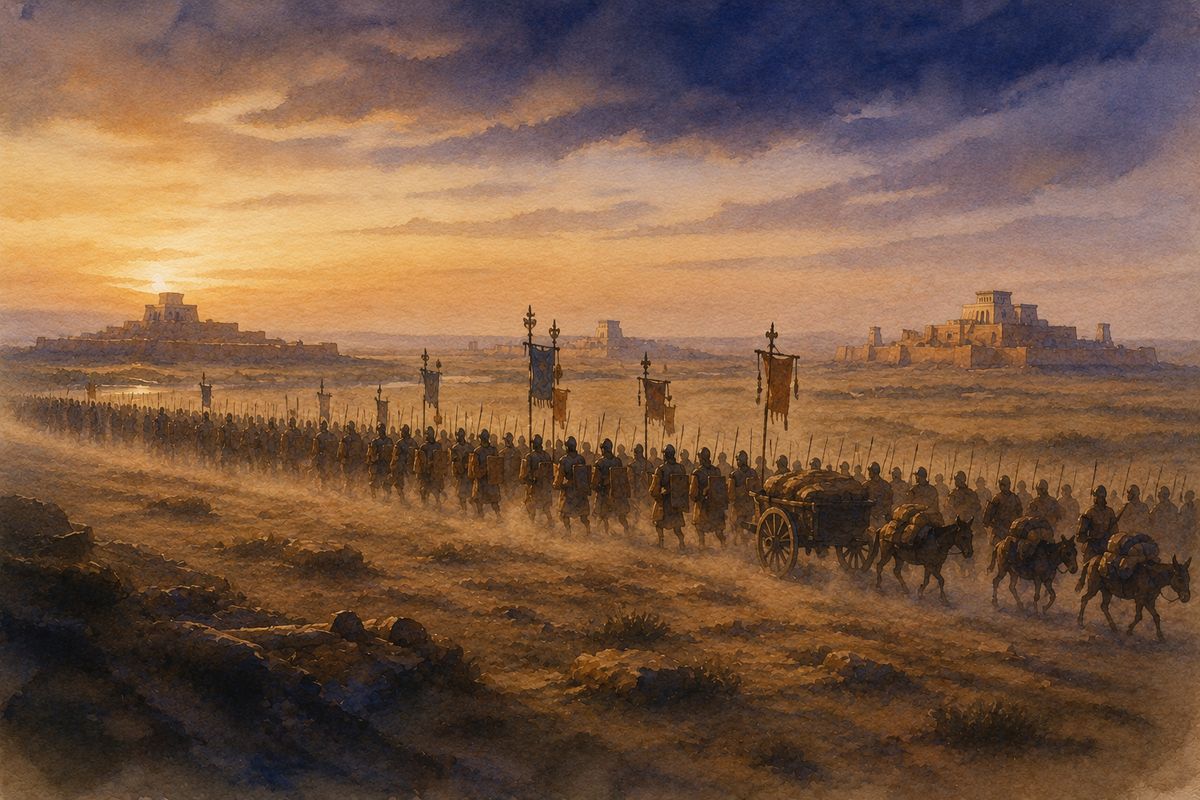
يجمع سرجون الأكدي المدن السومرية تحت حكم واحد، فتكون أول إمبراطورية في المنطقة. وتُكتب الأكدية، وهي لغة سامية، بالعلامات المسمارية نفسها التي كتبت بها السومرية، وتُقرأ اللغتان جنبًا إلى جنب قرونًا.
في هذه الحقبة: Sargon of Akkad · Enheduanna · Naram-Sin
المصادر: Akkadian Empire · Sargon of Akkad
نحو 2112 إلى 2004 قبل الميلاد(تقريبي)
سلالة أور الثالثة
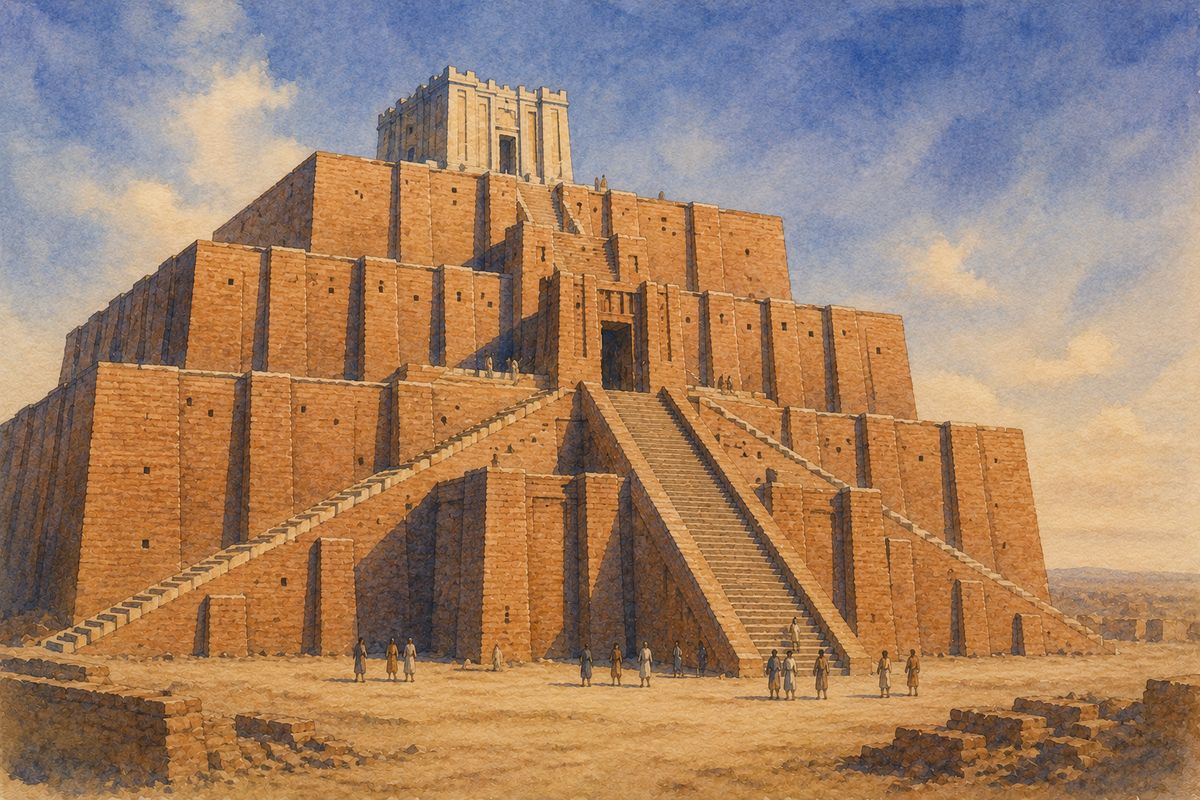
آخر دولة كبرى ناطقة بالسومرية. يرفع أور-نمّو الزقورة فوق بيت نانّا، ويدير ابنه شولكي جهازًا يترك عشرات الآلاف من الألواح. وتنتهي نحو 2004 قبل الميلاد في عهد إبي-سِن، وهو سقوط رُثي في «مرثية أور».
في هذه الحقبة: Ur-Nammu · Shulgi · Ibbi-Sin
المصادر: Third Dynasty of Ur · Ziggurat of Ur · ETCSL
نحو 2000 إلى 1595 قبل الميلاد(تقريبي)
العصر البابلي القديم
تبقى السومرية لغة علم وطقوس أكثر منها لغة كلام، وتنسخها مدارس الكتّاب بلا انقطاع، وهذا بالضبط ما يتيح لنا قراءة الأدب السومري. وأكثر النسخ الباقية من القصائد الكبرى تمارين مدرسية من هذه القرون، جُلّها مستخرج من نيبور.
اقرأ المزيد: الخط المسماري وأول كتابة
المصادر: First Babylonian dynasty · Eduba · ETCSL
نحو 911 إلى 609 قبل الميلاد
الإمبراطورية الآشورية الحديثة
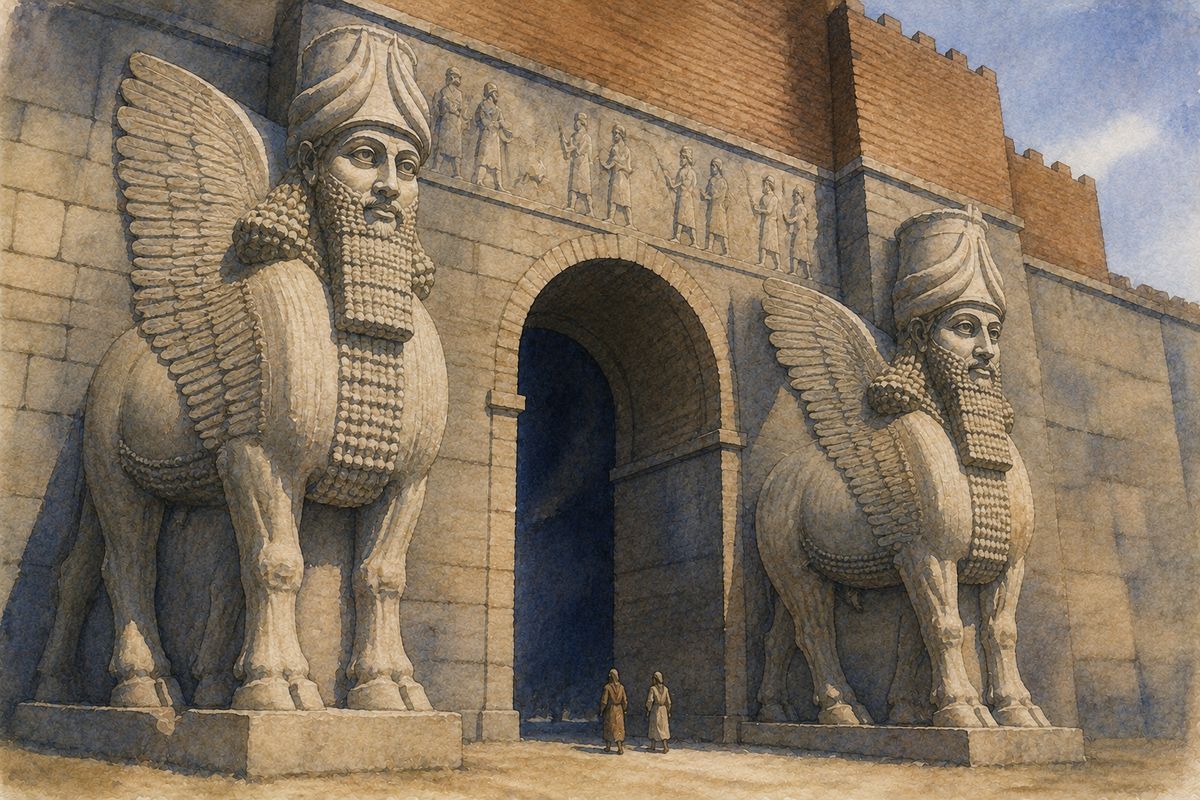
تحكم آشور من نينوى، ويجمع آشوربانيبال مكتبة يُراد بها أن تحوي التراث المكتوب كله، فيجمع عن قصد نصوصًا بابلية وسومرية أقدم. وهذا الجمع هو سبب بقاء ملحمة جلجامش حتى وُجدت.
المدن Nineveh
في هذه الحقبة: Sennacherib · Ashurbanipal
اقرأ المزيد: إعادة اكتشاف جلجامش (نينوى، خمسينيات القرن التاسع عشر؛ قراءة 1872)
المصادر: Neo-Assyrian Empire · Library of Ashurbanipal · Nineveh
626 إلى 539 قبل الميلاد
العصر البابلي الحديث
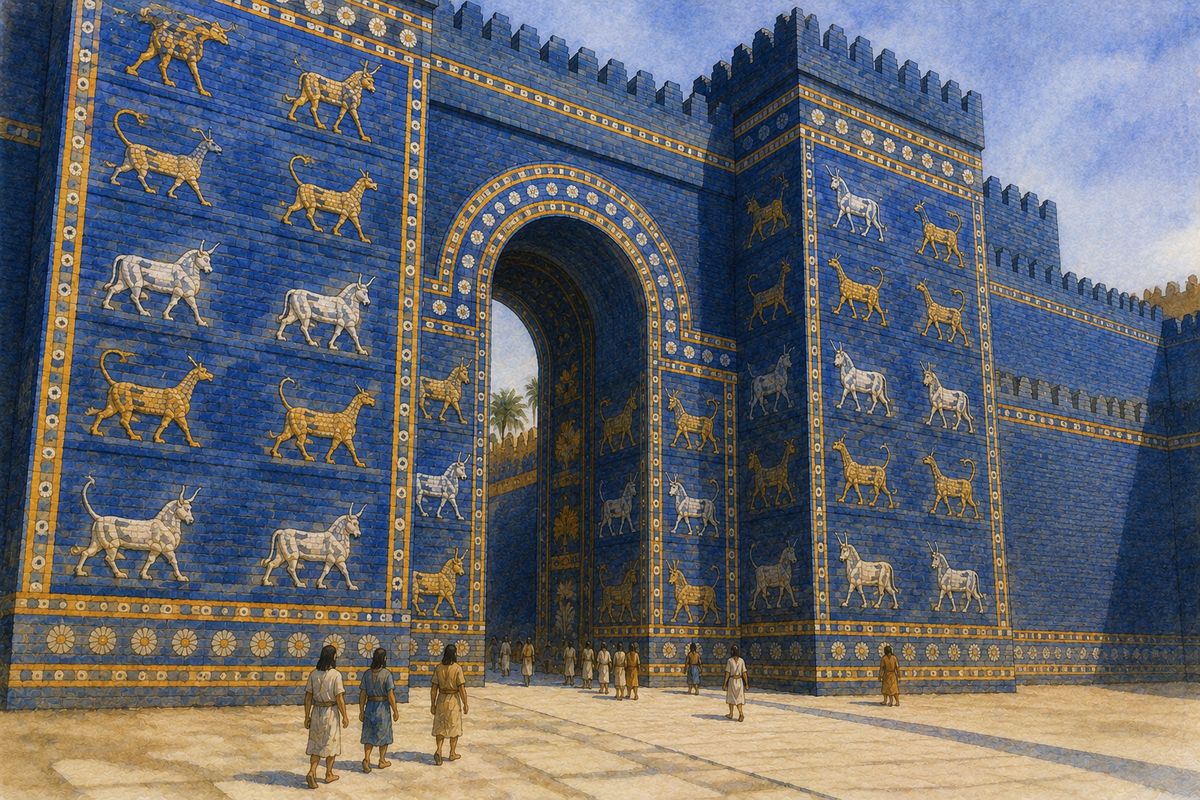
آخر عهد استقلال لبابل. يعيد نبوخذ نصر الثاني بناء زقورة إيتيمينانكي وبوابة عشتار، ذلك الآجُرّ الأزرق المزجَّج الذي يتخيله أكثر الناس اليوم عند ذكر بلاد الرافدين، مع أنه يأتي بعد تأسيس الوركاء بنحو ألفين وخمس مئة سنة.
المصادر: Neo-Babylonian Empire · Etemenanki · Ishtar Gate
من 539 قبل الميلاد
الحكم الفارسي وما بعده
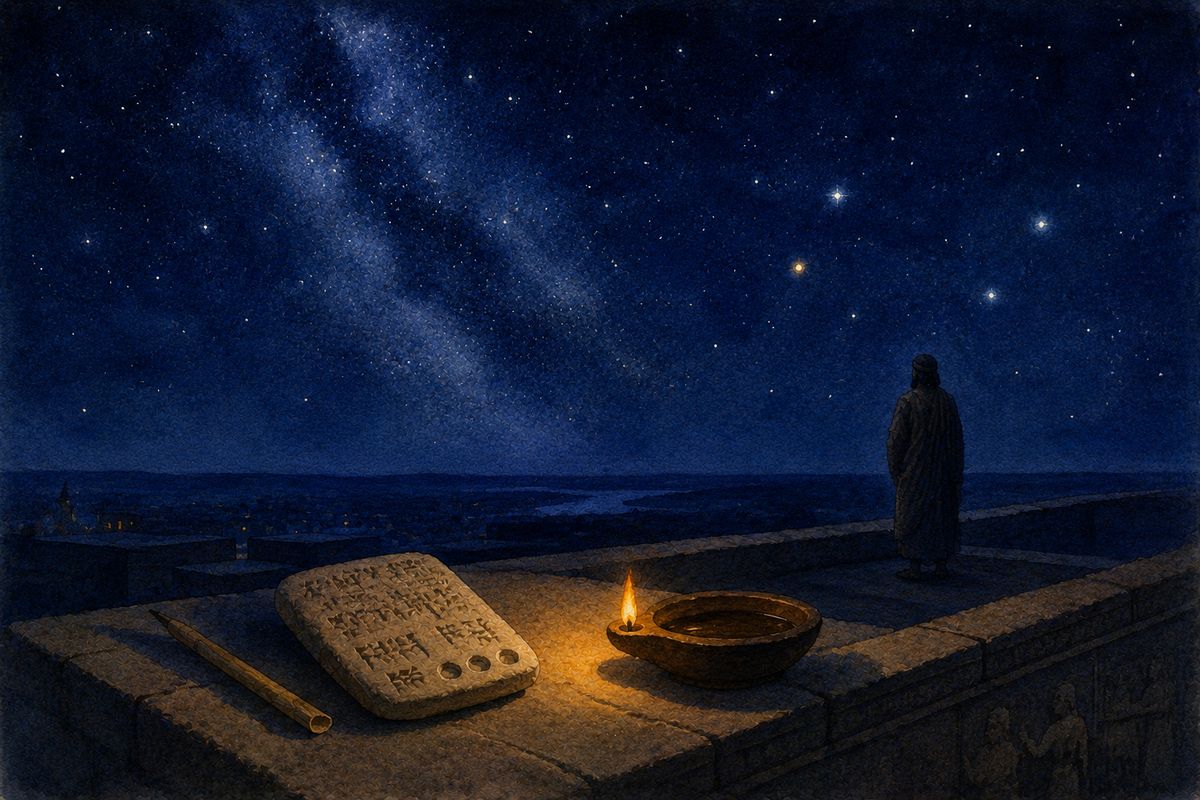
يأخذ كورش بابل في 539 قبل الميلاد. ويظل الخط المسماري يُكتب قرونًا بعد انتهاء الاستقلال السياسي، وأكثره بأيدي فلكيين وكتّاب معابد؛ وآخر لوح مسماري يمكن تأريخه بثقة نص فلكي من نحو 75 ميلادية. ثم يُنسى الخط نسيانًا تامًا، ويبقى منسيًا أكثر من سبعة عشر قرنًا.
اقرأ المزيد: الخط المسماري وأول كتابة
المصادر: Achaemenid Empire · Cuneiform
من أربعينيات القرن التاسع عشر إلى 1872
إعادة الاكتشاف
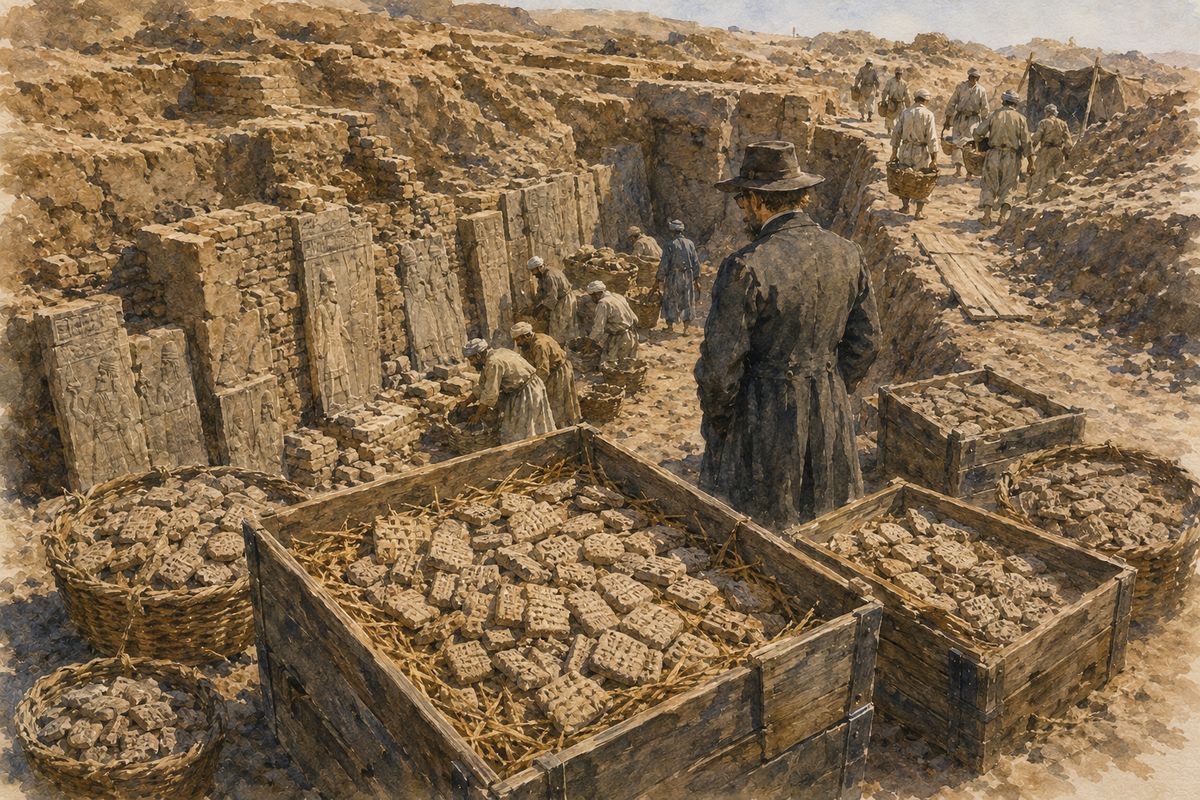
ترسل الحفريات الأوروبية في نينوى ونمرود آلاف الألواح إلى أوروبا. وفي 1872 يقرأ جورج سميث، وهو يفتش مواد آشوربانيبال في المتحف البريطاني، رواية طوفان أقدم من سفر التكوين، فيدرك ما بين يديه. فيعود أدب سومر وبابل إلى العالم، وكل ما في هذه الصفحات يعتمد على ذلك.
المدن Nineveh
اقرأ المزيد: إعادة اكتشاف جلجامش (نينوى، خمسينيات القرن التاسع عشر؛ قراءة 1872)
المصادر: George Smith (Assyriologist) · Library of Ashurbanipal · Epic of Gilgamesh
كيف تُقرأ هذه التواريخ
التواريخ المطلقة في تاريخ بلاد الرافدين اصطلاحات لا قياسات. وهذه تتبع التسلسل الأوسط، وهو الأكثر استخدامًا بين عدة مخططات متنافسة؛ والبدائل تُزيح الألفَين الثالث والثاني بعقودٍ إلى أكثر من قرن. وكل ما يسبق أواخر الألف الثاني قبل الميلاد محلّ خلاف فعلي، وكل مدى موسوم بأنه تقريبي هو مجال علمي لا تقريبَ أرقام.
تصحيح يُحسن ذكره مبكرًا: الآجُرّ الأزرق المزجَّج الذي يتخيله معظم الناس عند ذكر بلاد الرافدين بابليٌّ حديث، من القرن السادس قبل الميلاد. أي بعد تأسيس أوروك بنحو ألفين وخمس مئة سنة. أما أسوار أوروك فكانت من الطوب اللبن، ومعابدها مكسوّة بآلاف المخاريط الطينية الصغيرة بالأسود والأحمر والبيج.
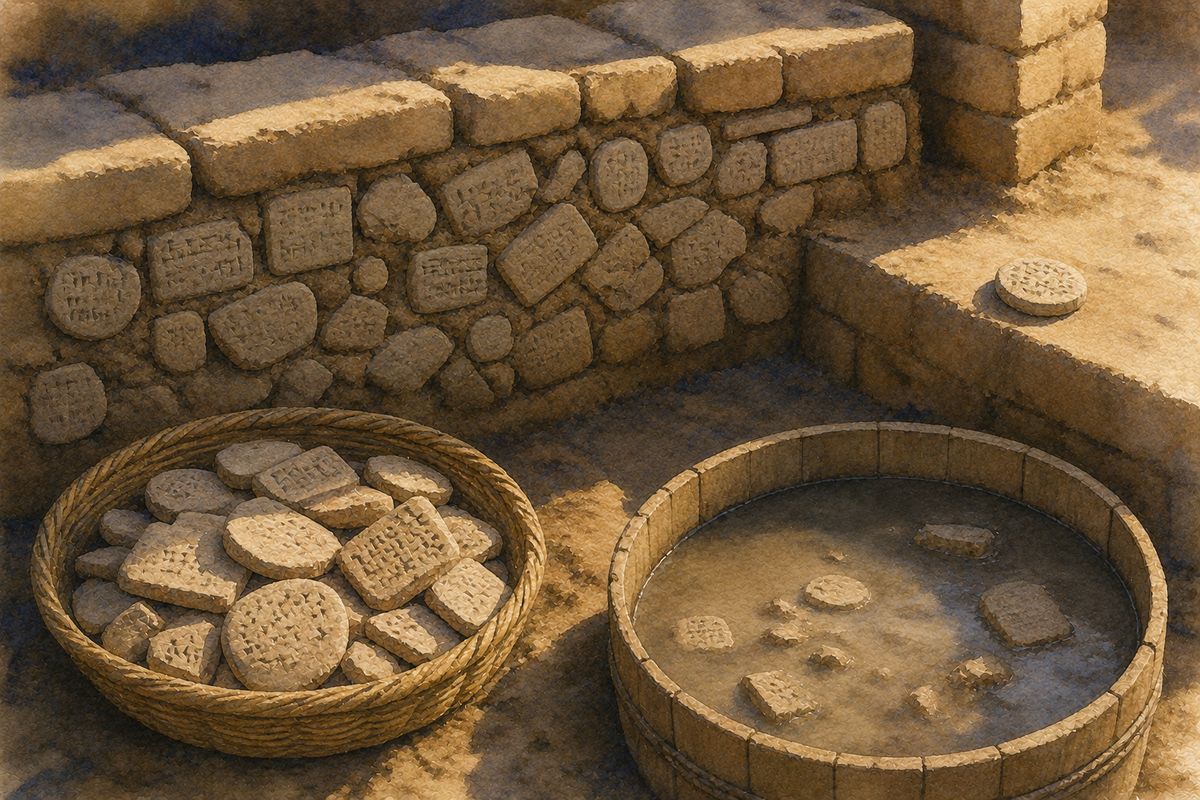
لم تنجُ الآداب السومرية بالحظ. نجت لأن تلاميذ المدارس في العصر البابلي القديم كانوا ينسخونها فروضًا مدرسية قرونًا بعد أن لم يبق من يتكلمها، ولأن ملكًا آشوريًّا في نينوى تعمّد جمع التراث الأقدم وكنزه. وهذان العَرَضان من عادةٍ هما سبب إمكان قراءة هذا كله اليوم.
روايتنا · خيال
الحكاية التي نضعها فوق التاريخ
تضيف «سجلّات أوروك» خيالًا فوق هذا التسلسل الزمني. في هذه الصفحة يُعلَّم بوصفه من صنعنا؛ أما داخل القصص والغرف فهو ببساطة الواقع. ثلاثة عصور تحمله:
سومر القديمة
تنهض المدن الأولى تمامًا كما يقول السجل أعلاه. وفي روايتنا يتحرك شيء آخر من تحتها: صراع قديم لم تدوّنه الألواح قط.
الزمن الحاضر
حياة عادية يقطعها إرث أقدم من أي خزانة متحف، ويصبح الصراع القديم صراعك أنت.
مستقبل بعيد
بعيدًا في الغد، تحت نيويورك تغيّرت، ما يزال ما بدأ في أوروك يُحسم.
تبقى الحقب أعلاه تاريخًا حقيقيًا من أولها إلى آخرها؛ ولا شيء من هذا الإطار يُقدَّم بوصفه حقيقة. أما العالم الكامل بأسراره فيقع خلف تنبيهه الخاص.