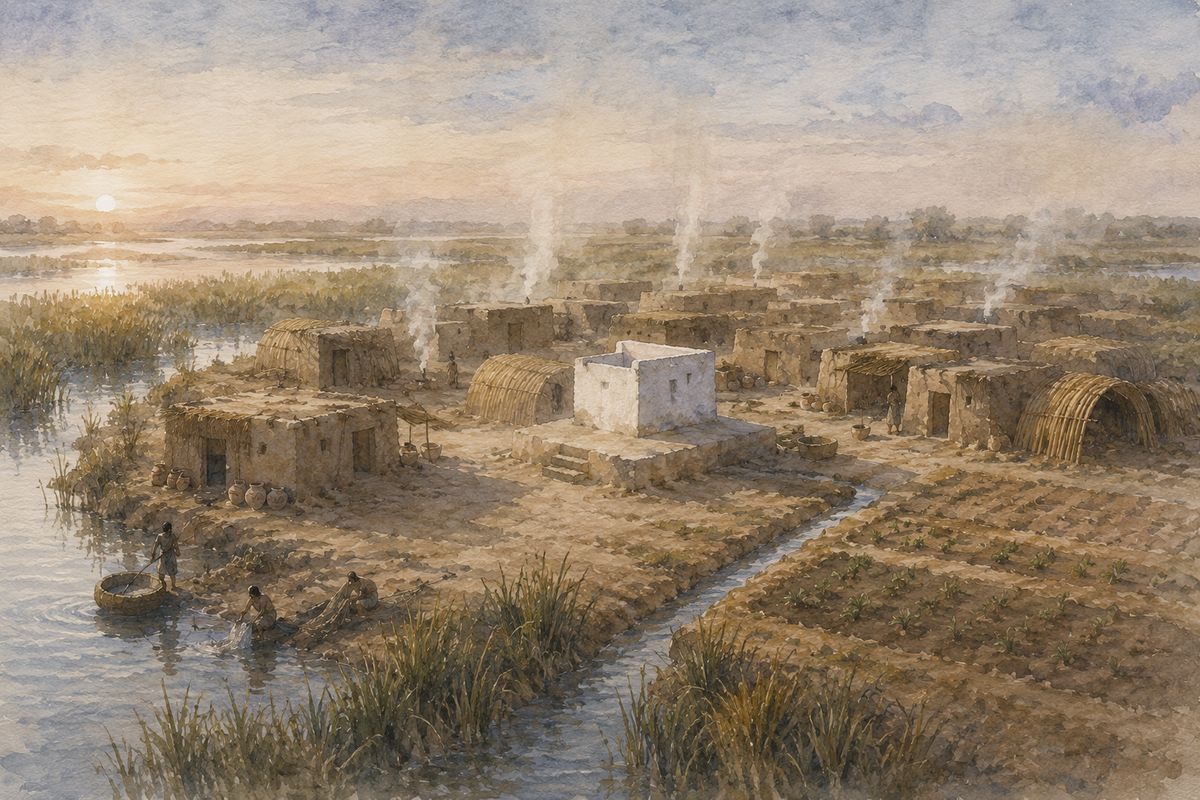
Historia
Quienes gobernaban estas ciudades
14 dirigentes con nombre, cada uno calificado según lo que las pruebas sostienen de verdad: 10 atestiguados por objetos hechos en vida suya, 4 conocidos solo por la tradición.
Sumeria nos dejó nombres de reyes en ladrillos, en sellos, en cuentas llevadas a cientos de kilómetros, y en una lista que empieza con un reinado de veintiocho mil años. Todo eso es material real. Solo una parte es historia.
Esta página separa ambas cosas, persona por persona, y enlaza cada una con la ciudad a la que pertenece y el periodo en que se sitúa. Donde las pruebas se acaban, lo dice, y lo dice junto al nombre y no en una nota al pie.
Cómo leer las marcas
- Atestiguado
- Una persona real. Objetos, inscripciones o archivos hechos en vida suya llevan su nombre.
- Por la tradición
- Nombrada por la tradición, sin atestiguación contemporánea de la persona. Los textos son reales; que el individuo lo fuera no está establecido.
Antes de que empiece el esquema
Reinados que la tradición sitúa antes del diluvio, fuera de todo periodo arqueológico.
El periodo Dinástico Arcaico
hacia 2900 a 2350 a. n. e.
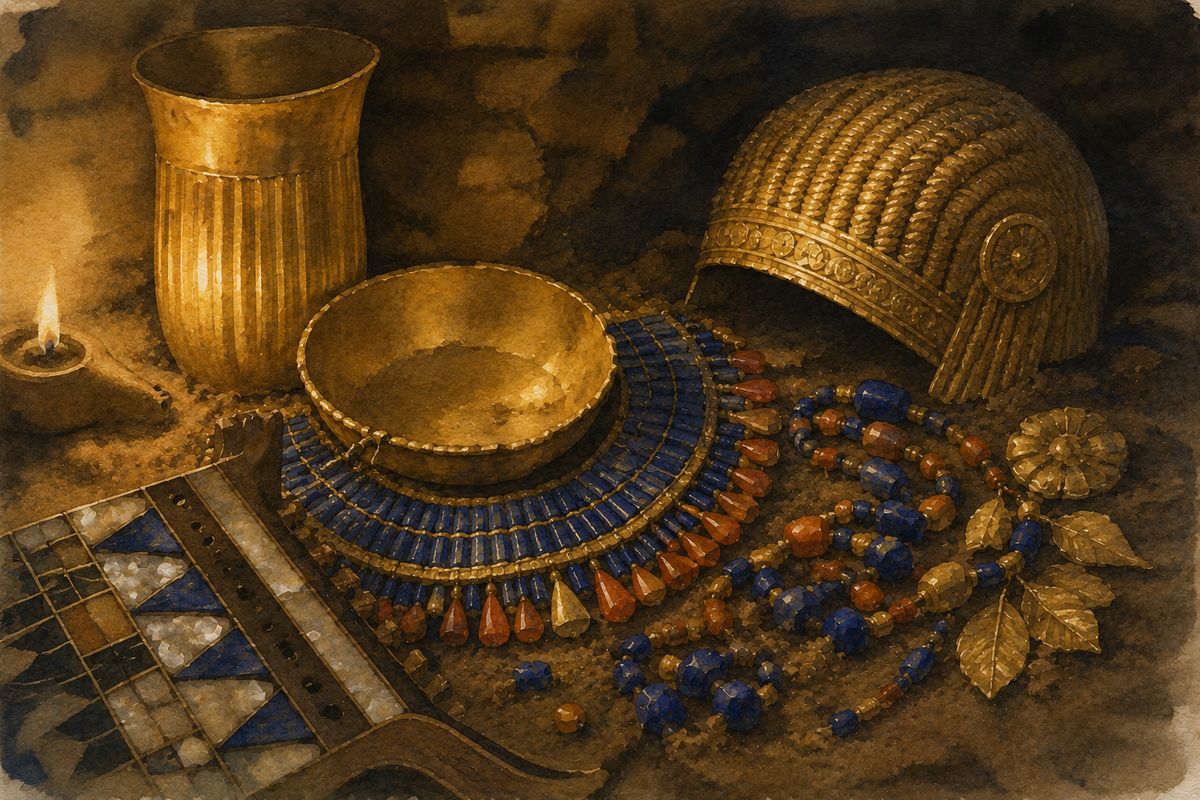
Mesannepada
Atestiguadothe earliest king of Ur we can hold in our hands
- Reinado:
- c. 26th century BCE
- Ciudad:
- Ur
Founder of the First Dynasty of Ur, and among the earliest Mesopotamian kings attested by objects made in his own lifetime rather than by a later list.
Enmerkar
Por la tradiciónthe king in the poem about writing
- Reinado:
- the King List places him in the First Dynasty of Uruk; no contemporary attestation
- Ciudad:
- Uruk
A king of Uruk in the Sumerian King List, and the hero of the Sumerian poem that contains the oldest story about writing being invented.
Gilgamesh
Por la tradiciónthe one everyone has heard of
- Reinado:
- the King List places him in the First Dynasty of Uruk
- Ciudad:
- Uruk
King of Uruk in the Sumerian King List and the hero of the Epic. A real early ruler may lie behind the name; the poem is literature either way.
Lugalbanda
Por la tradiciónthe father, and a king in his own poems
- Reinado:
- the King List places him in the First Dynasty of Uruk
- Ciudad:
- Uruk
An early king of Uruk in the Sumerian King List, hero of two Sumerian poems of his own, and later worshipped as a god.
Puabi
Atestiguadothe burial that made Ur famous
- Reinado:
- no reign is recorded; her cylinder seal gives her the title nin
- Ciudad:
- Ur
A woman of high rank buried at Ur around 2600 BCE with lyres, a gold headdress and attendants. Her seal names her, which is why we know her name at all.
El imperio acadio
hacia 2334 a 2154 a. n. e.
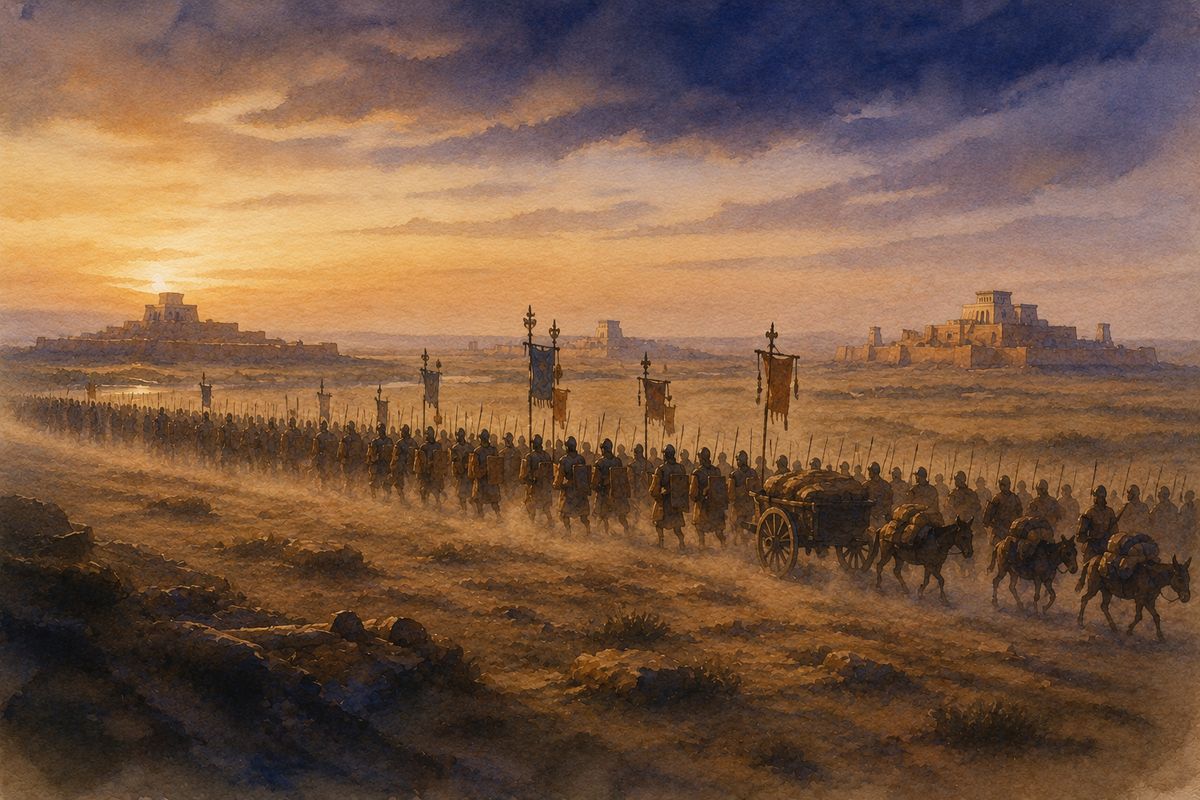
Sargon of Akkad
Atestiguadothe first empire
- Reinado:
- c. 2334 to 2279 BCE
The king who brought the Sumerian cities under one rule, founding the first empire of the region. His capital has never been found.
Enheduanna
Atestiguadohigh priestess, and the first author with a name
- Reinado:
- she did not rule; she held the office of en-priestess at Ur, c. 2300 BCE
- Ciudad:
- Ur
Daughter of Sargon and high priestess of Nanna at Ur, and the earliest author whose name is attached to surviving work.
Naram-Sin
Atestiguadothe king who wrote himself a god
- Reinado:
- c. 2254 to 2218 BCE
Sargon's grandson, and the first Mesopotamian king known to have claimed divinity in his own lifetime.
La Tercera Dinastía de Ur
hacia 2112 a 2004 a. n. e.
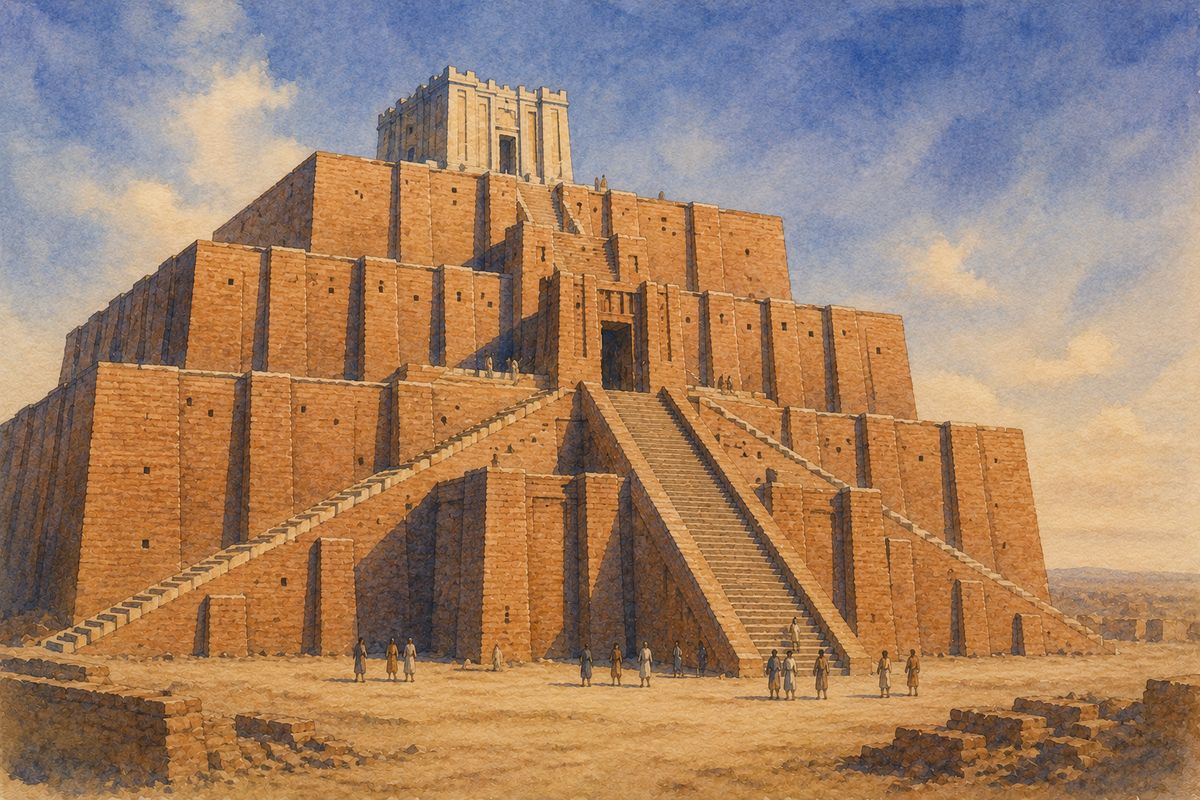
Ur-Nammu
Atestiguadothe ziggurat and the law
- Reinado:
- c. 2112 to 2095 BCE
- Ciudad:
- Ur
Founder of the Third Dynasty of Ur, builder of the great ziggurat that still stands, and the name on the oldest surviving law code.
Shulgi
Atestiguadothe administrator
- Reinado:
- c. 2094 to 2046 BCE
- Ciudad:
- Ur
Ur-Nammu's son, who ruled for around forty-eight years and built the bureaucracy whose clay archives are the richest record any Mesopotamian period has left.
Ibbi-Sin
Atestiguadothe last king, and the lament
- Reinado:
- c. 2028 to 2004 BCE
- Ciudad:
- Ur
The last king of the Third Dynasty of Ur, under whom the last great Sumerian-speaking state fell to Elam and its allies around 2004 BCE.
El imperio neoasirio
hacia 911 a 609 a. n. e.
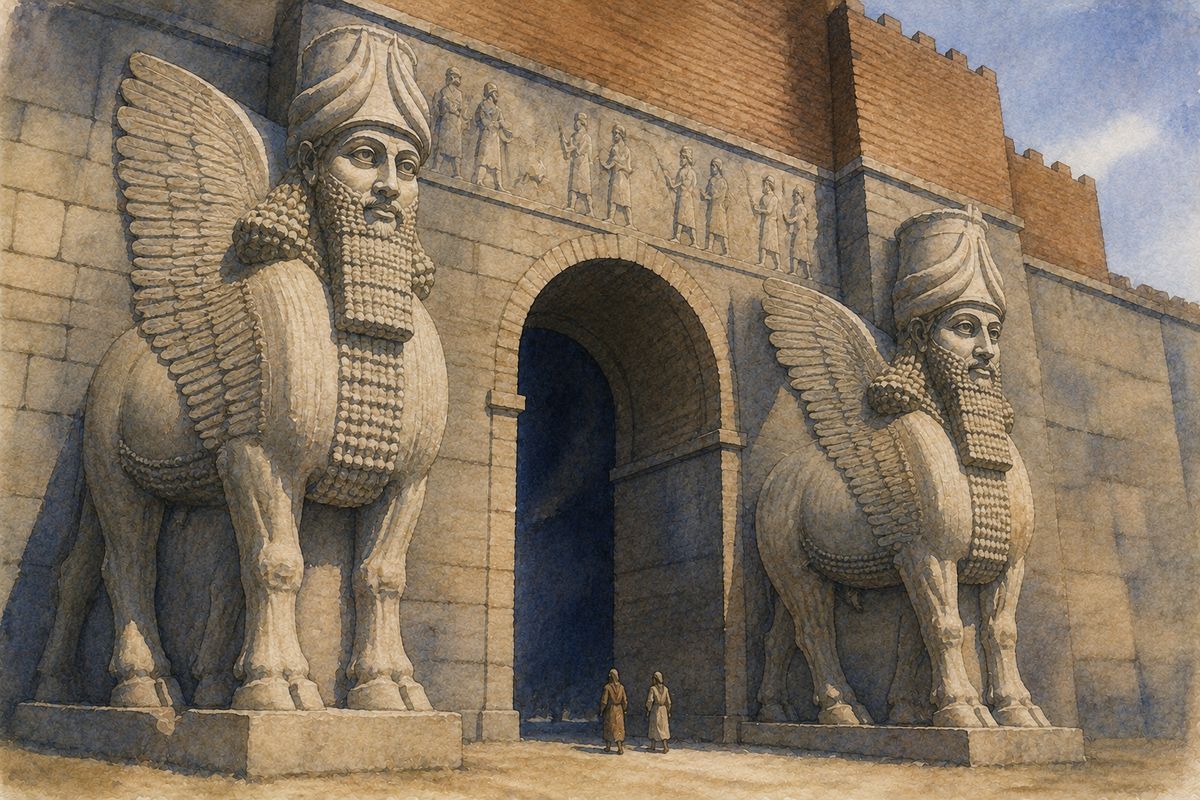
Sennacherib
Atestiguadothe capital without rival
- Reinado:
- 705 to 681 BCE
- Ciudad:
- Nineveh
The Assyrian king who made Nineveh his capital around 705 BCE and rebuilt it on a scale the region had not seen.
Ashurbanipal
Atestiguadothe library
- Reinado:
- 669 to c. 631 BCE
- Ciudad:
- Nineveh
The Assyrian king who assembled a library at Nineveh meant to hold the written tradition, and so preserved most of what we can read of Mesopotamian literature.
Por qué aquí no hay retratos
No tenemos retrato de ninguna de estas personas, y nadie lo tiene. La Estela de la victoria muestra a Naram-Sin como su propia corte quería que se le viera; todo lo posterior es invención. Por eso cada grupo de arriba se ilustra con su periodo, y así se rotula.
Podríamos generar un rostro para cada nombre de esta página en una tarde. No vamos a hacerlo. Una imagen puesta junto a hechos documentados acaba leyéndose como prueba, y lo único que esta sección no puede permitirse es que su arte se confunda con su registro.