History
The powers of Sumer, one by one
16 figures the ancient texts name, each with its sources and a plain verdict: 10 we tell as the record has them, 6 the chronicle also retells.
Anunnaki is a real Sumerian and Akkadian word, and the beings under it are real subjects of study, with hymns, temples, offering lists and myths recorded on clay. This page is the roster: who they were, what the texts say, and where to read the texts yourself.
One thing this page will not do is blur the line between what is attested and what we invented. Every entry carries a mark. Where the chronicle adds a layer, the mark says so, and it says so without telling you the story.
How to read the marks
- As attested
- The myth as the record has it. Our retelling uses the figure without adding to them.
- Attested, and retold
- The attested figure is real and sourced, and the chronicle lays an invented layer over them. The history on the page stays the history.
the sky, the first father
As attestedThe oldest head of the Sumerian pantheon: the sky itself, father of the gods, and the older claimant to the sacred precinct at Uruk.
the faithful son
As attestedThe shepherd god and Inanna's husband, found enthroned and unmourning on her return, and given to the galla as her substitute below.
lord earth, the third door
As attestedGod of sweet water, craft and cunning, housed in the E-abzu at Eridug, and the one who finds the way around a law he cannot break.
lord wind, the first door
As attestedLord of the air and the executive power of the pantheon, whose house at Nippur made that city the place a king had to be recognised in.
vine of heaven
As attestedGoddess of the vine and of dream interpretation, who offers herself for half of each year so her brother may be above for the other half.
the Lady of heaven
As attestedQueen of heaven, goddess of love and war and the planet Venus, and the holder of the eight-pointed star that is the oldest emblem in this world.
an early king of Uruk, later a god
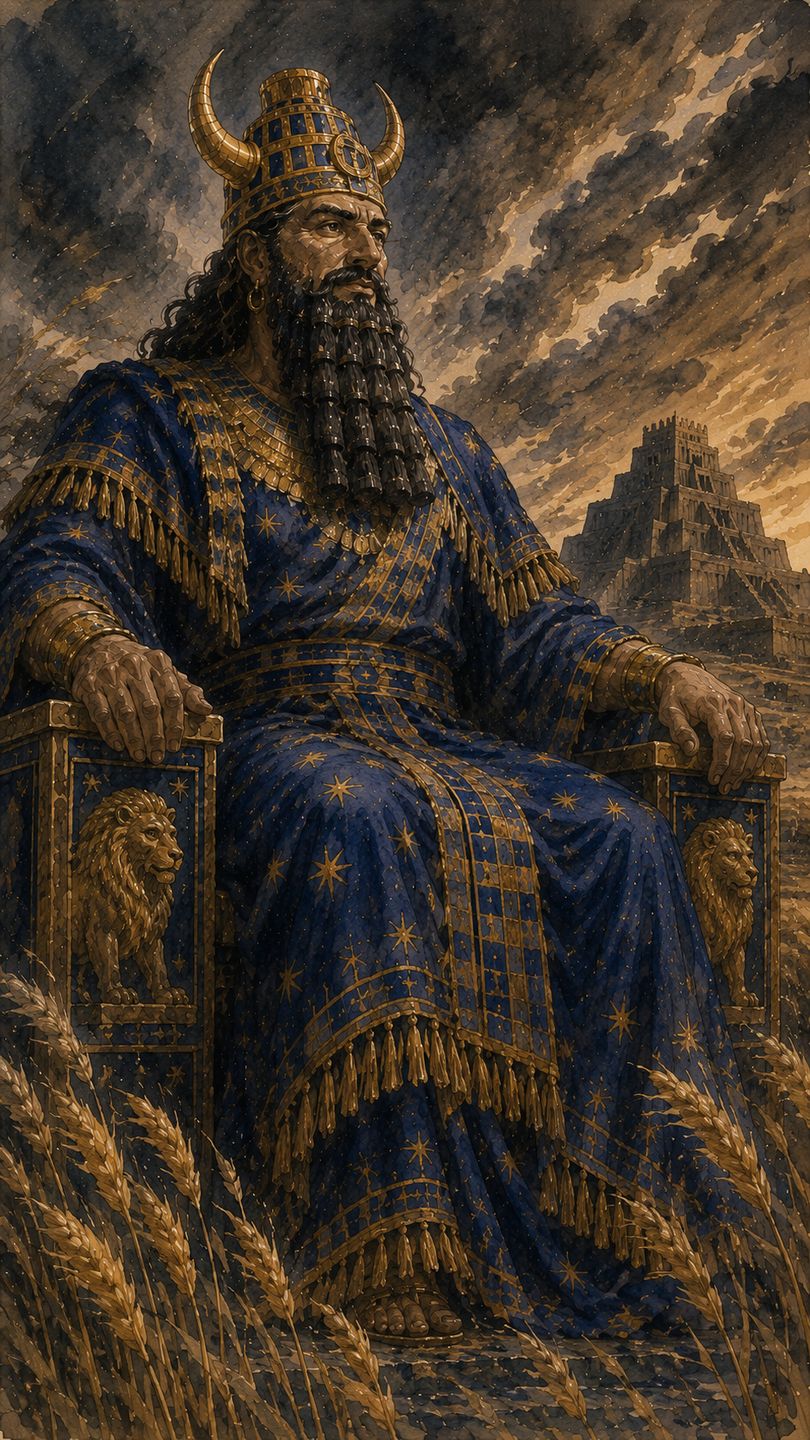
As attestedAn early king of Uruk in the Sumerian King List, hero of his own two Sumerian poems, later deified, and the father of Gilgamesh.
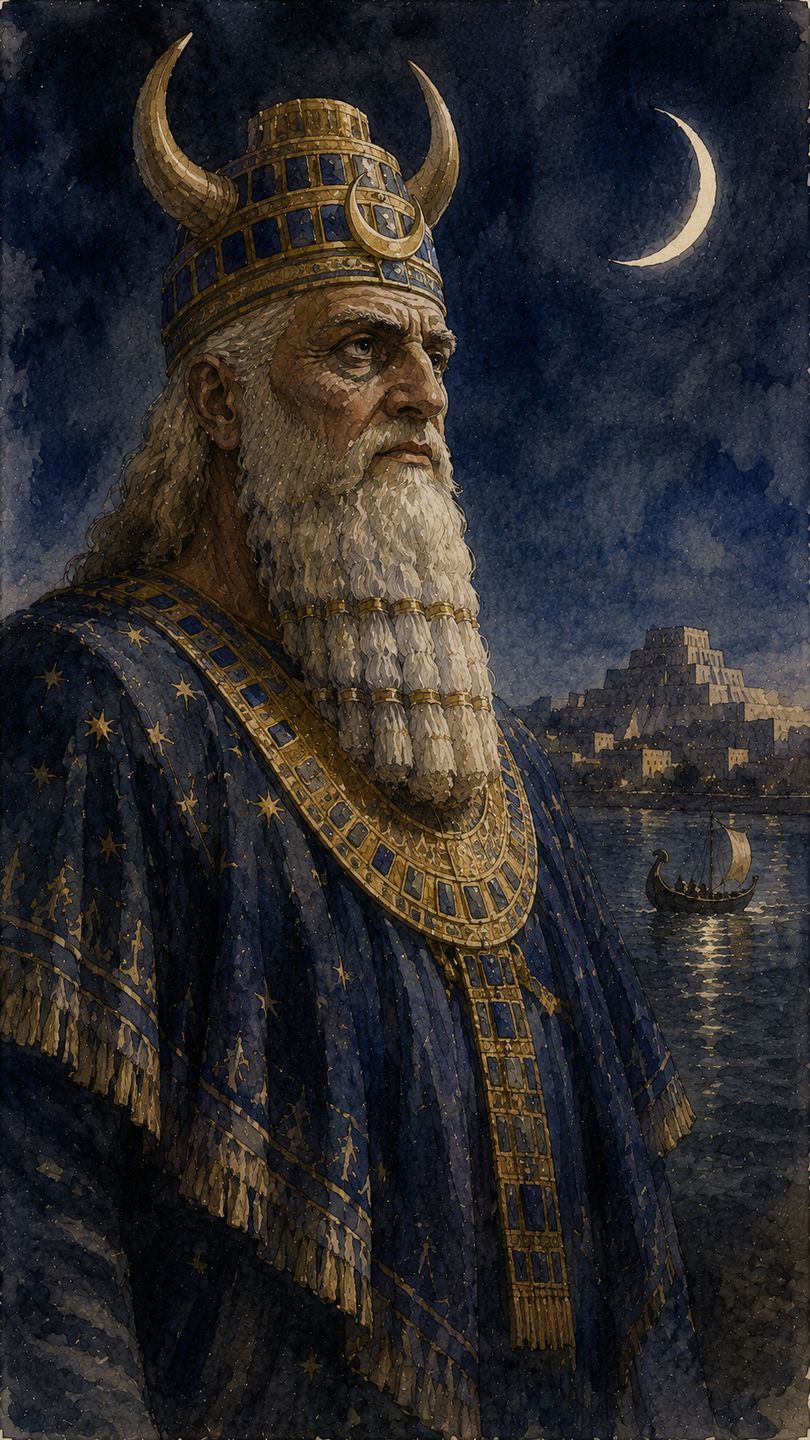
the moon over Ur, the second door
As attestedThe moon god of Ur, whose great ziggurat still stands, and the second of the three doors that refuse the minister in Inana's descent.
the gatekeeper
As attestedThe chief gatekeeper of the underworld, who takes Inanna's answers at the outer gate and works the seven gates by instruction.
the sukkal, Inanna's minister
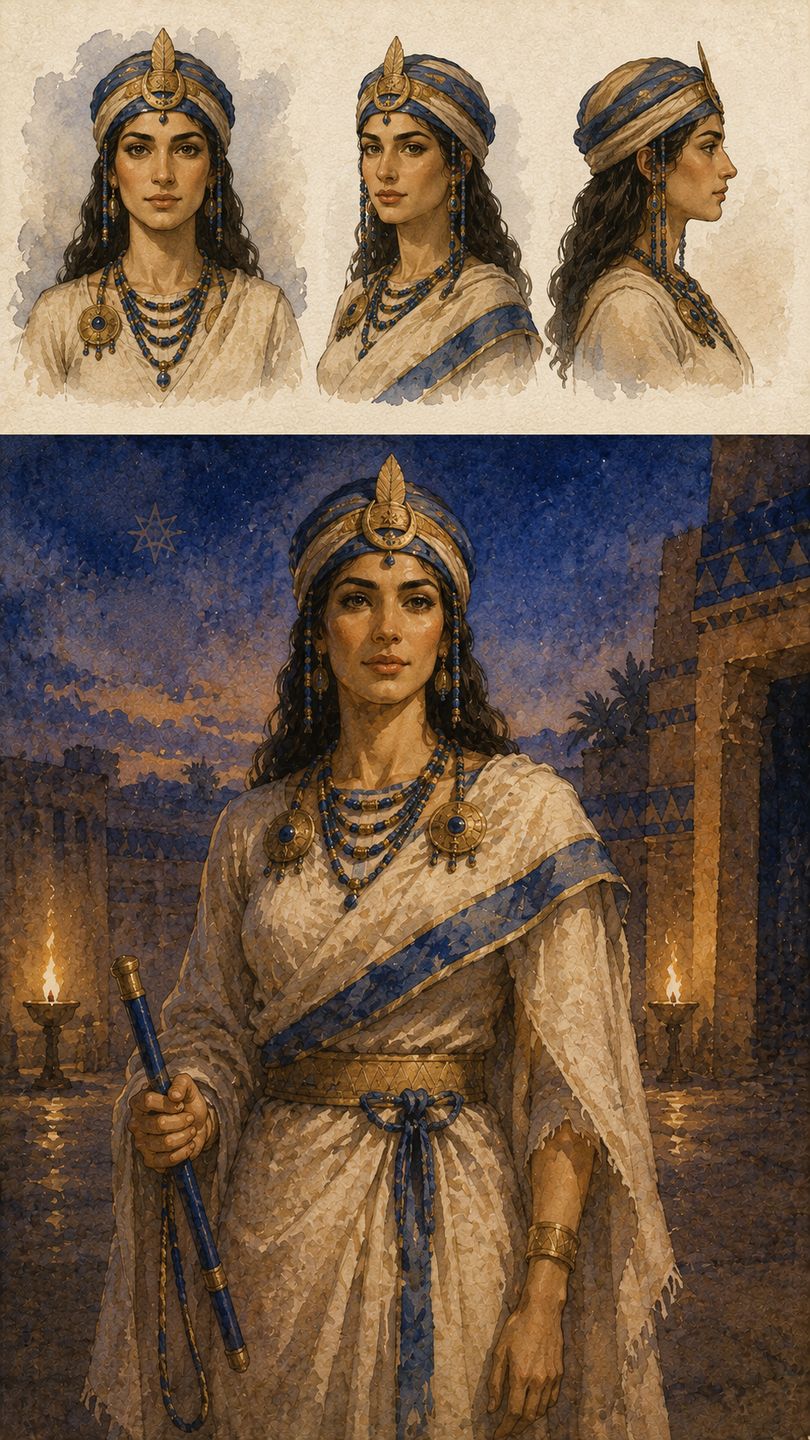
As attestedInanna's sukkal, her minister and a deity in her own right, who is given the contingency before the descent and walks the three doors in order.
the wild one made to match a king
Attested, and retoldShaped by the gods from clay and open country to be Gilgamesh's match, he became his brother instead, and his death is what sends the king after deathlessness.
queen of the great earth
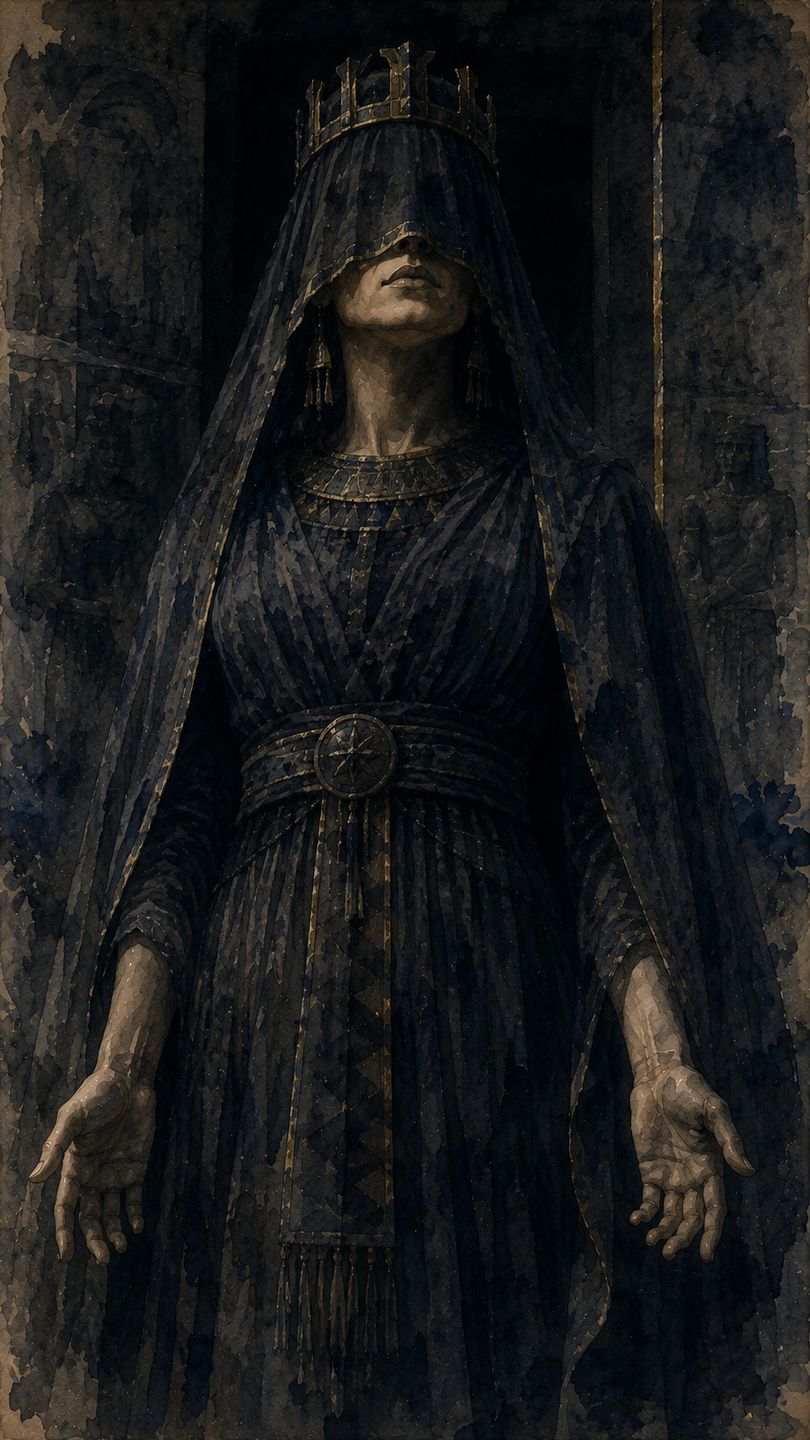
Attested, and retoldQueen of the great earth and mistress of the land of no return: the underworld's lawful ruler, and the elder sister who hangs Inanna on a hook.
the keeper of the cedar
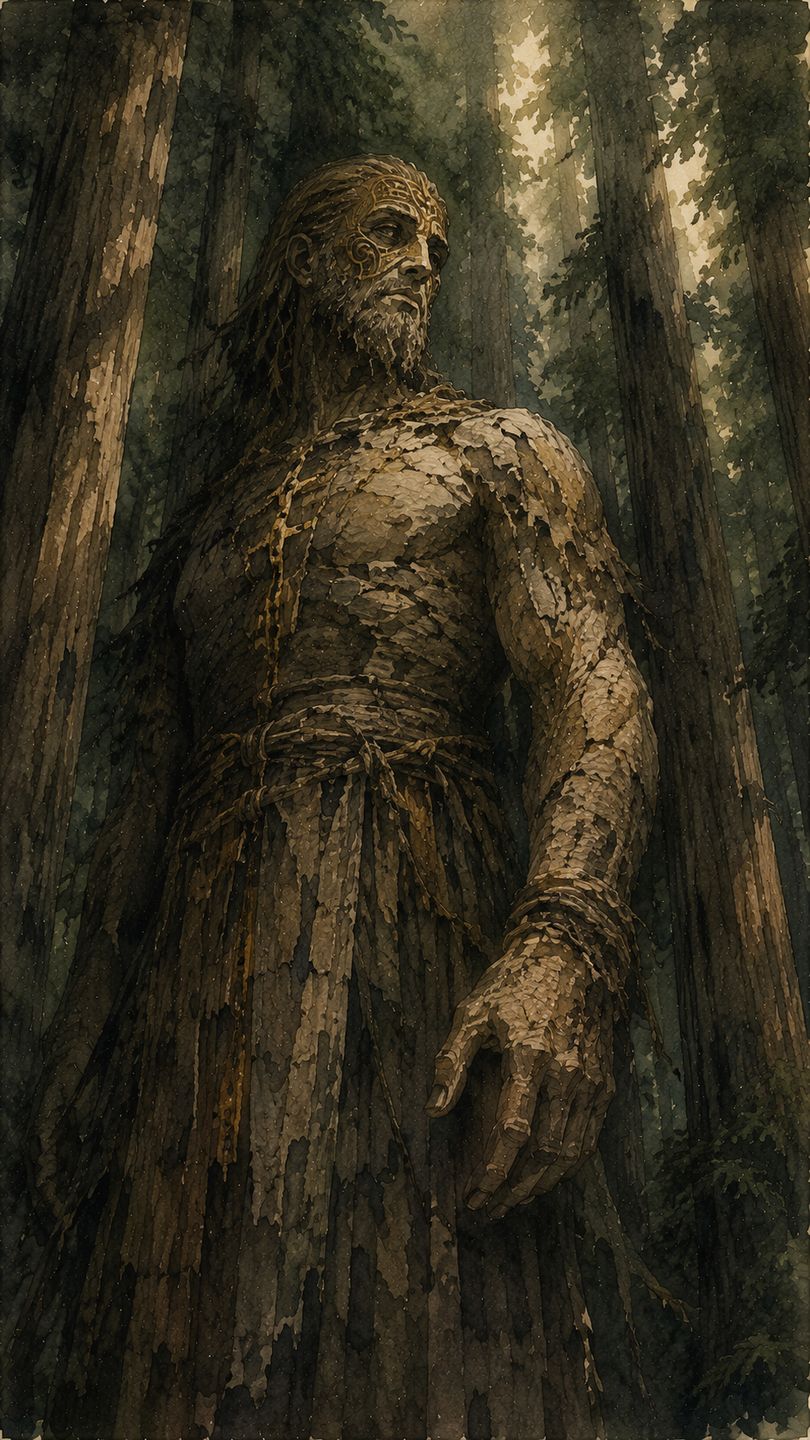
Attested, and retoldThe keeper of the Cedar Forest, appointed to his post by Enlil and killed by Gilgamesh and Enkidu in the Epic's most famous victory.
the scorching edge
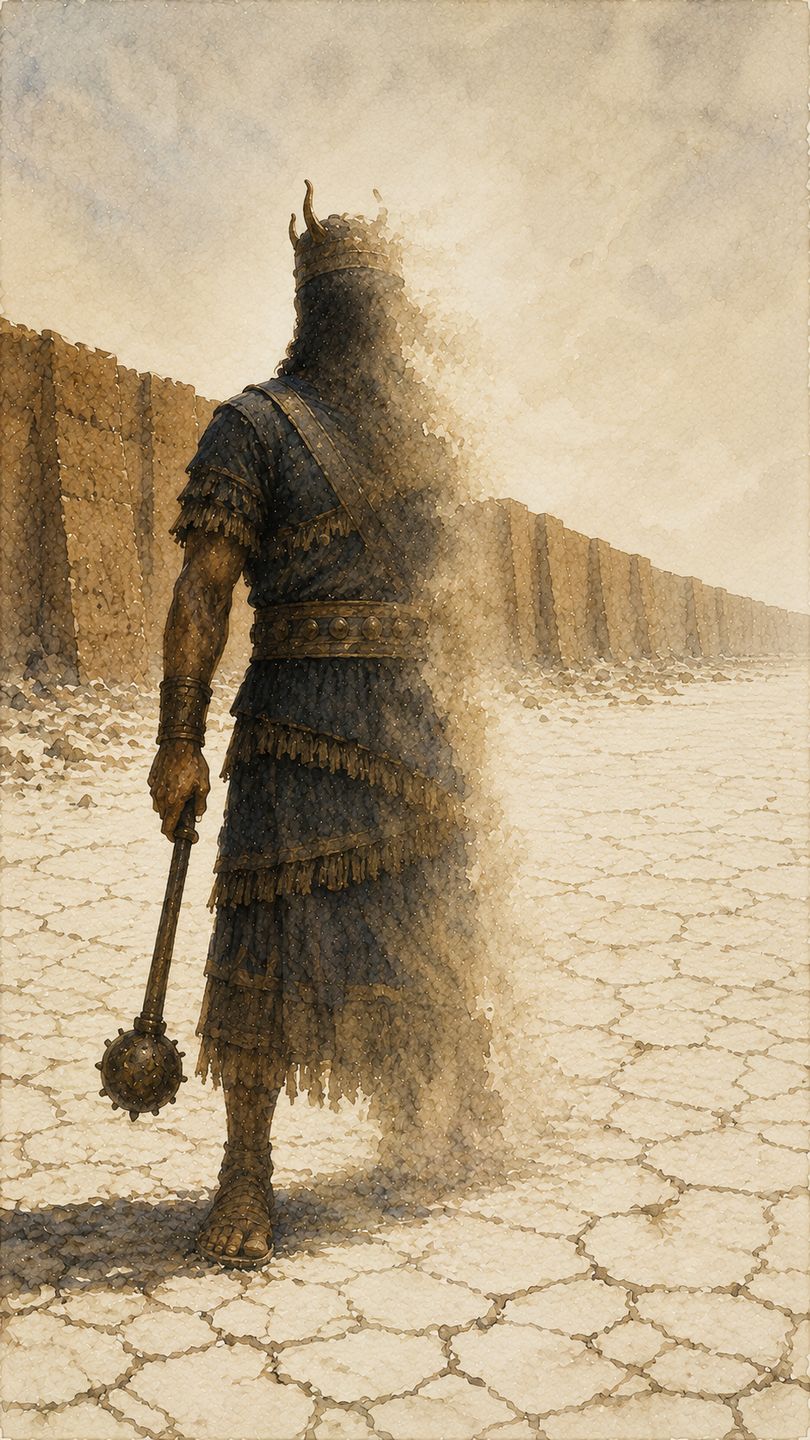
Attested, and retoldGod of plague, war and the scorching sun, who becomes the underworld's other throne by taking Ereshkigal as his consort.
lady wild cow
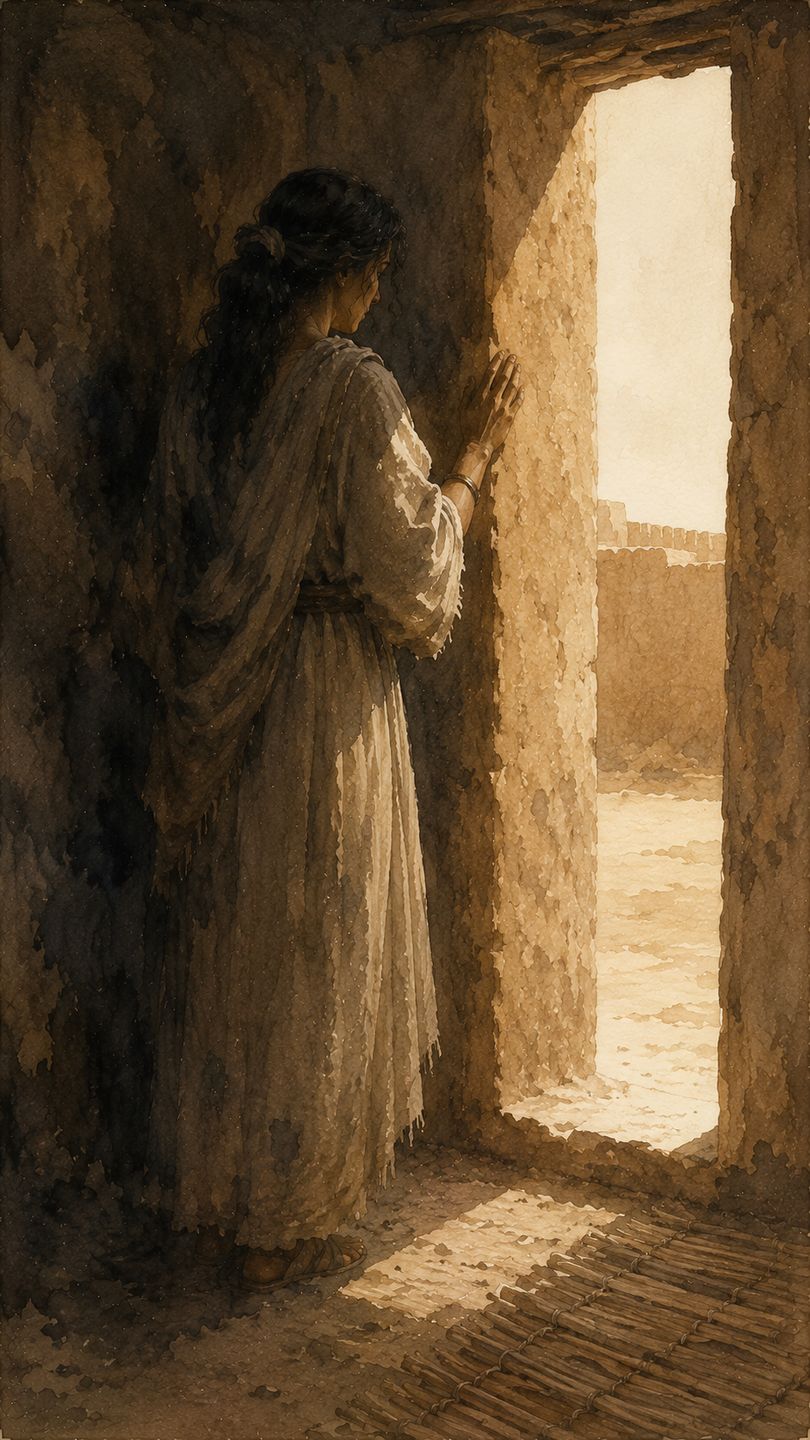
Attested, and retoldThe wise goddess of the Epic of Gilgamesh, dream-reader for her son, and the mother through whom the bloodline of Uruk's kings runs.
the sun, and the judge of what it touches
Attested, and retoldThe sun god and the judge of what the day touches: the god travellers and the wronged called on first, and Gilgamesh's ally against Humbaba.
Keep exploring the Chronicle