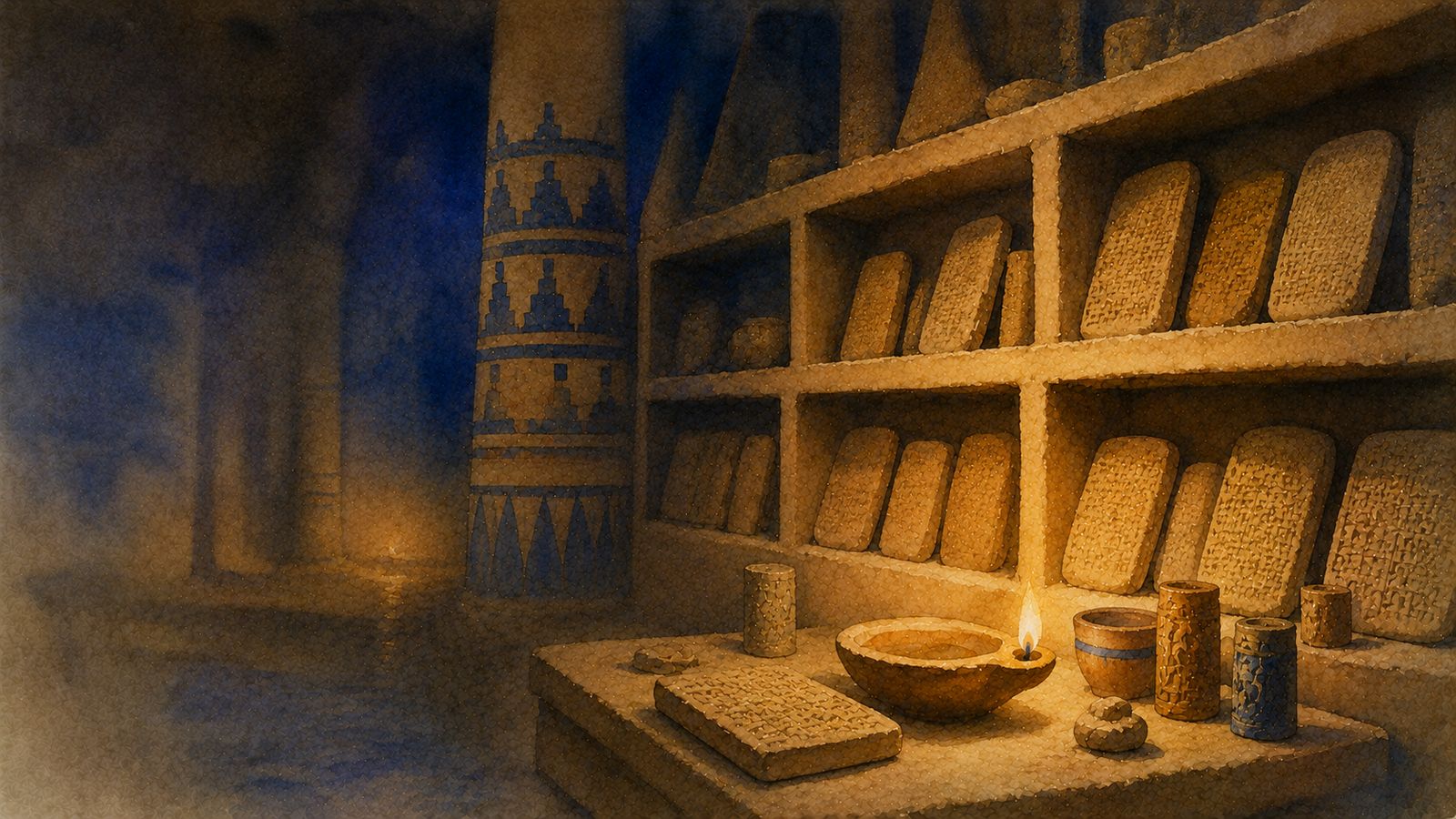
The Codex
One chronicle, three ages
The world of Uruk braids ancient Sumer, the present day, and a distant future into a single story. Dub An-Ki, the tablet of heaven and earth, is the thread that ties them together and marks you as one of the Chosen. What follows is a keeper's record of that world. It holds back what the story is best left to reveal.
Lore ahead
What follows is the fuller record of this world. Some of it, the story would rather show you in its own time. Read on if you like to know the shape of a world before you enter it.
The three ages
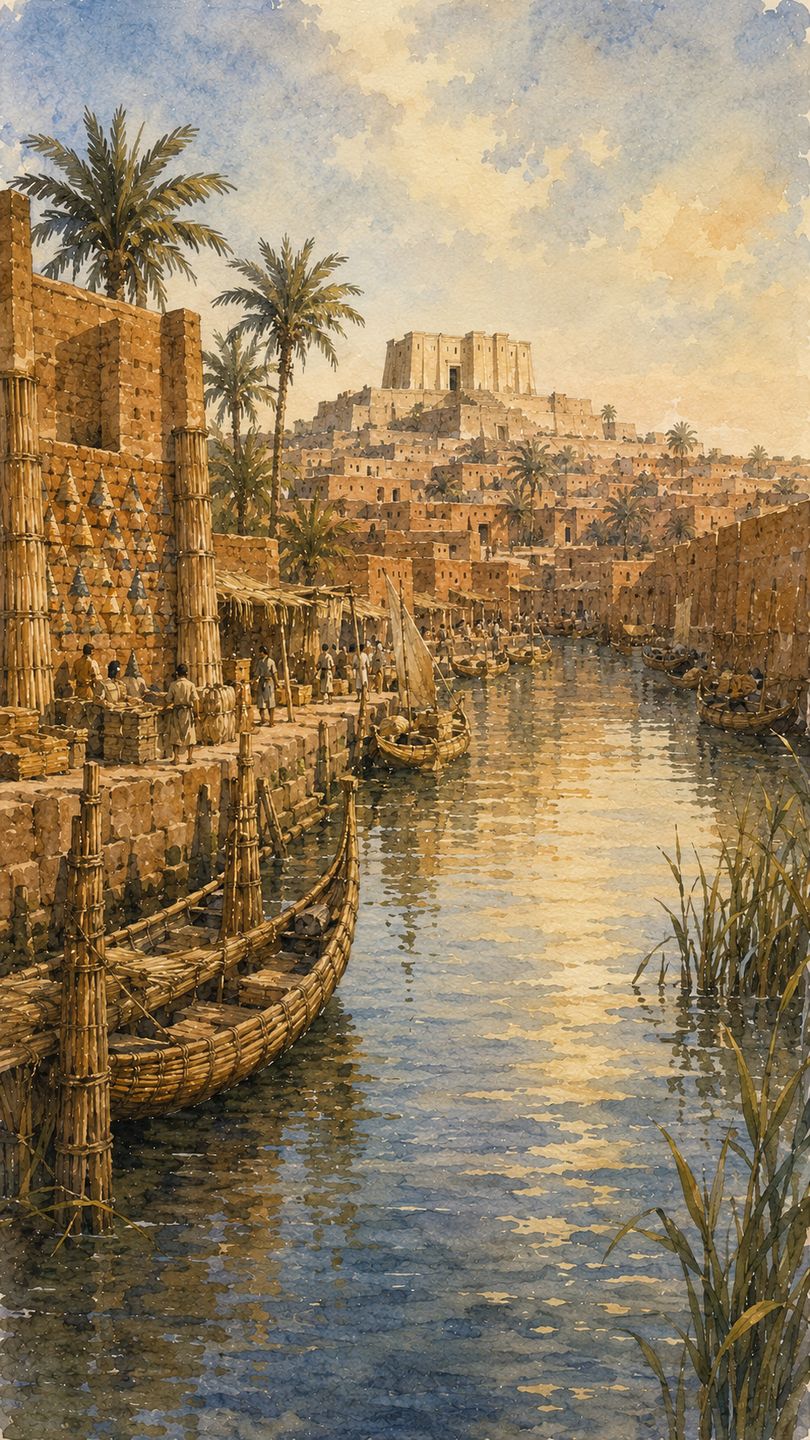
Ancient Sumer
The city of Uruk rises along the Euphrates: its temples of reed and brick, its scribes pressing the day into clay, its kings, and the powers whose names still echo. Inanna. Enki. Nisaba. This is where the tablet was first written, and first carried.
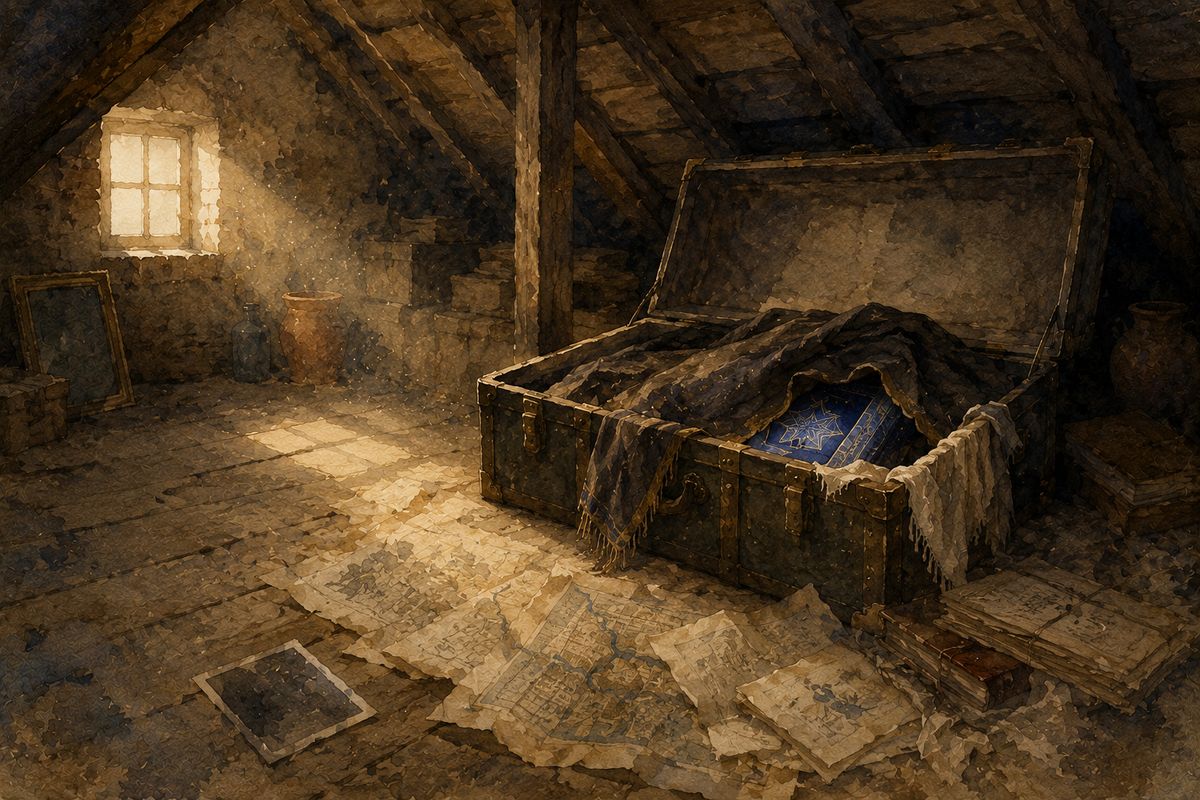
The present day
An ordinary life is interrupted by Dub An-Ki, a tablet kept secret across generations of one family. It wakes for the blood that kept it, not for anything you have learned. Learning to read it is what comes after, and in time the tablet begins to read you in return.
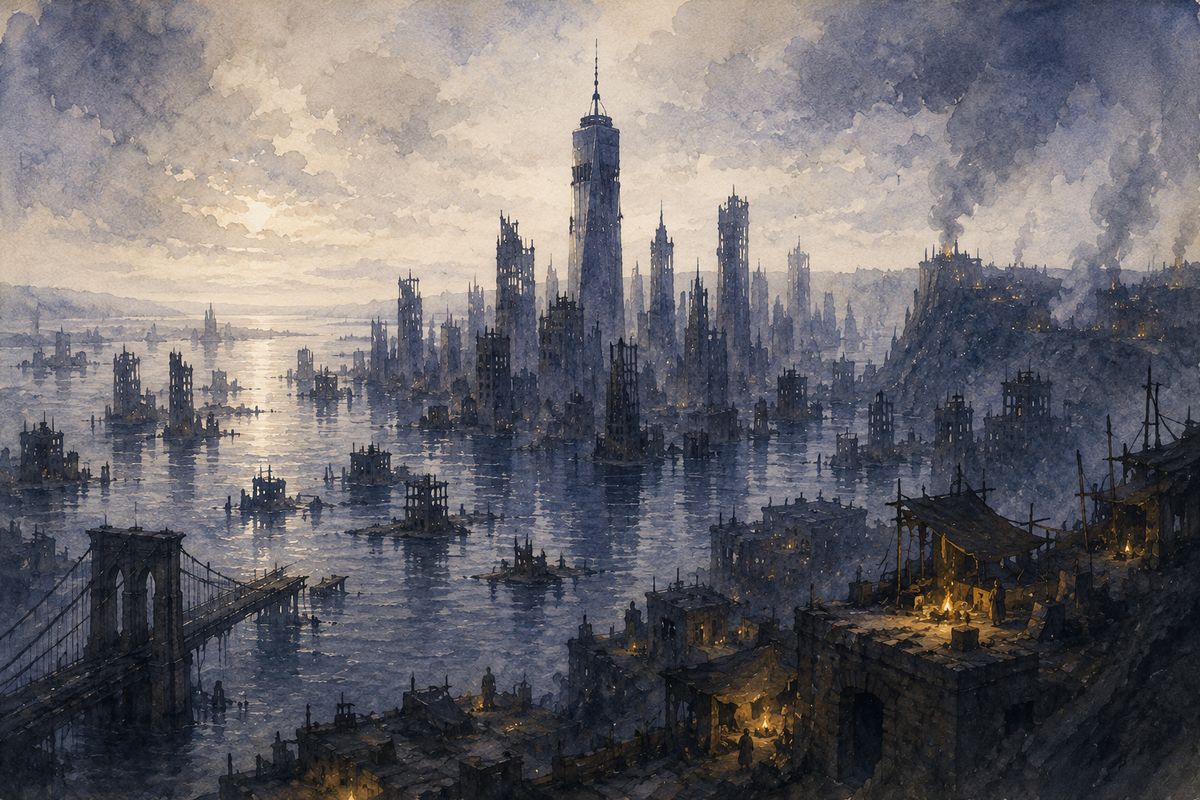
A distant future
Beneath a changed New York, long after the waters rose, the consequences of the ancient war surface again, and the choices of the past come due.
The hidden conflict
The Guardians and the Eroders
Two powers move beneath the history. Together they are remembered in myth as the Anunnaki.
The Guardians
The powers of Resonance, who preserve. Bound by a law older than the city, they rarely act in the open. They work through those they choose, and they wait.
The Eroders
A corruption woven through the world. It does not conquer so much as persuade. It whispers, it tempts, and it remakes what it touches into more of itself. This slow unmaking is called the Taking.
The artifact
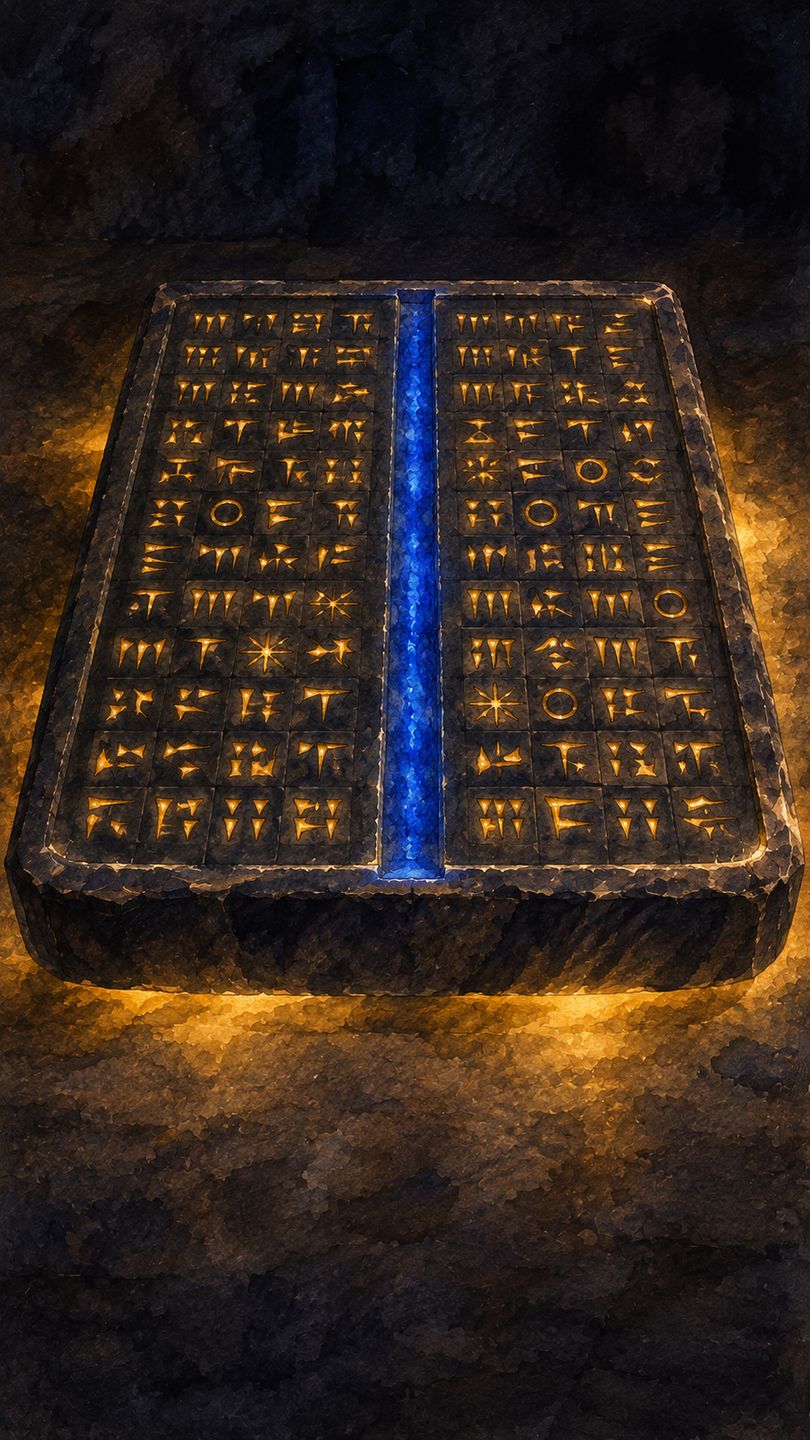
Dub An-Ki
A small dark tablet, crowded with marks, cooler and heavier in the hand than it should be. Its name means the tablet of heaven and earth. It wakes for one line of blood and no other. It remembers, it answers, and once you learn to read it, it can be made to work. Everything in the chronicle turns on it.
The people you will meet
A keeper's record names them only as far as the story allows.
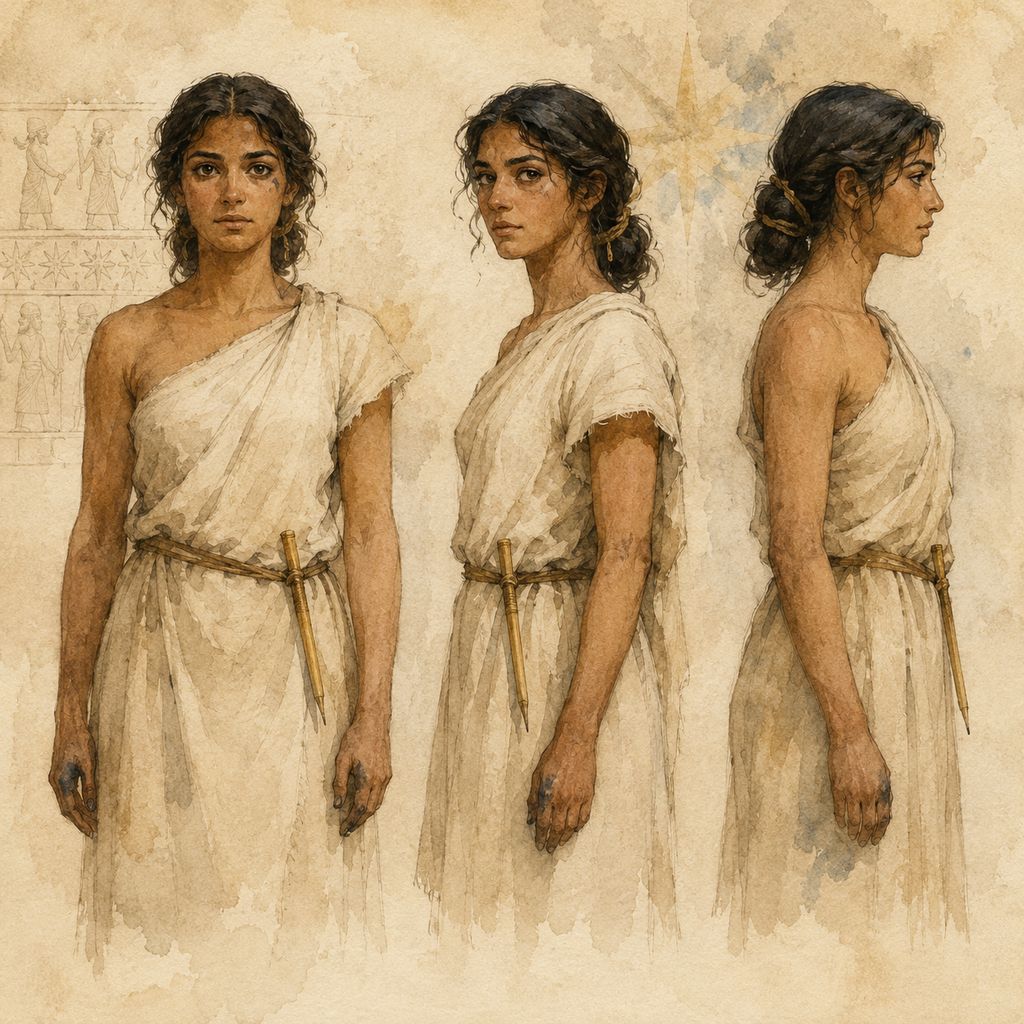
Amara
A young scribe of Uruk, the first to carry Dub An-Ki, and the root of the line that becomes yours.
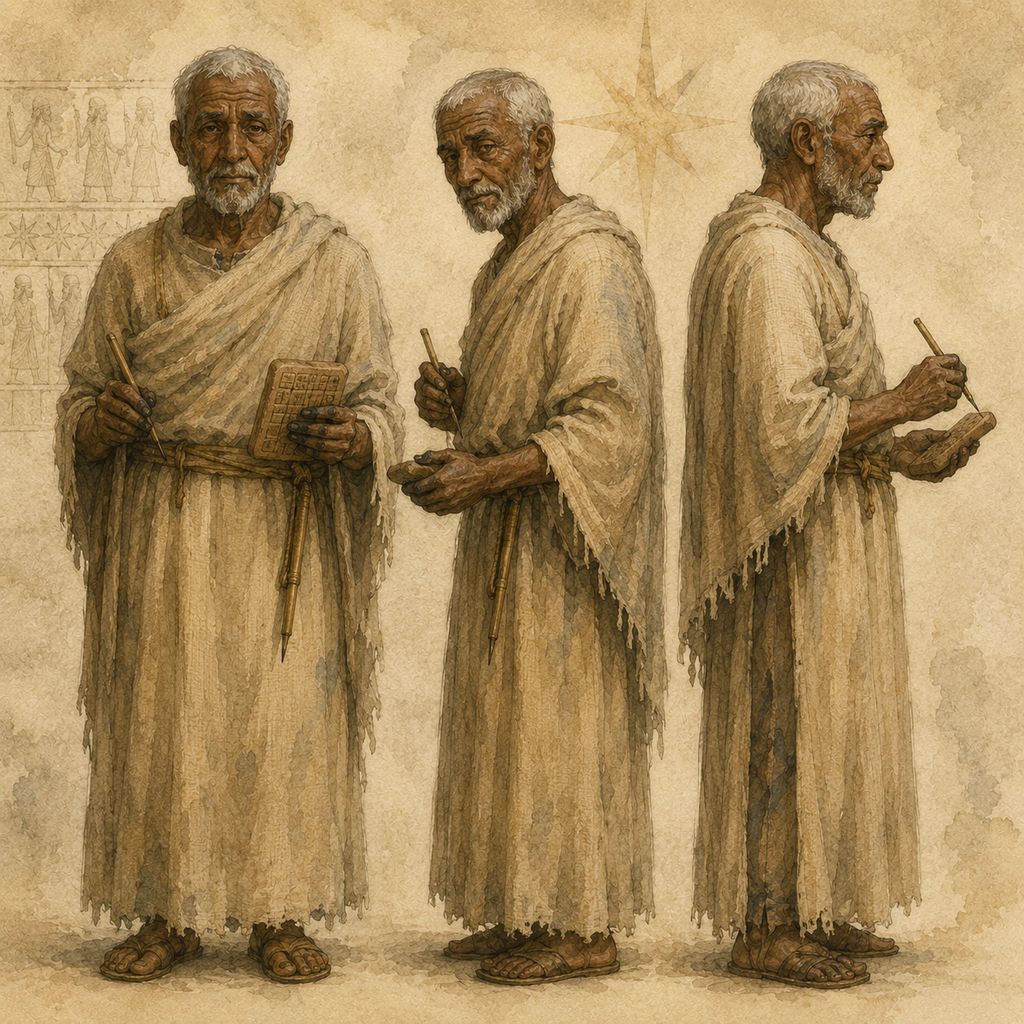
Lu-Nanna
Master scribe of Eanna and keeper of the oldest signs. He teaches Amara to read what most cannot.
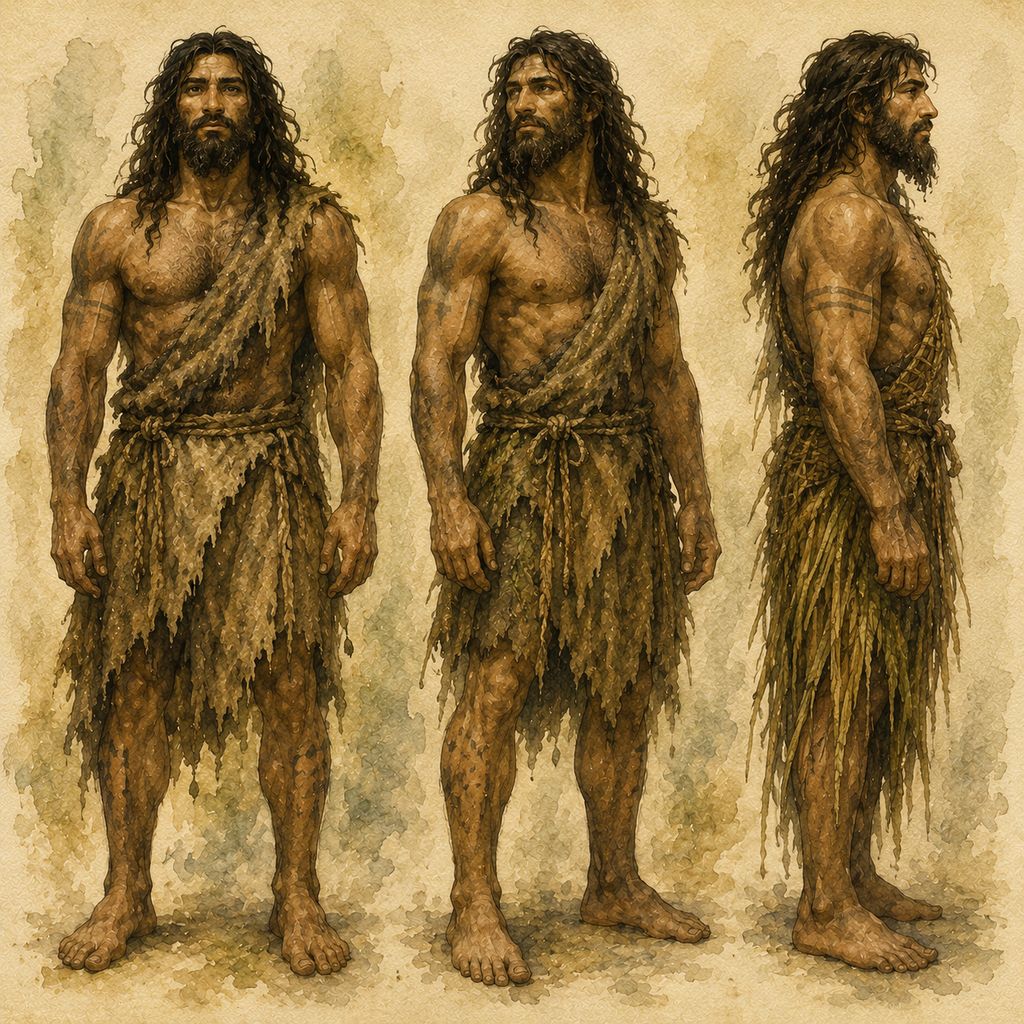
Enkidu
The wild one who became Gilgamesh's equal and closest companion. Their bond is at the heart of the oldest story we have.
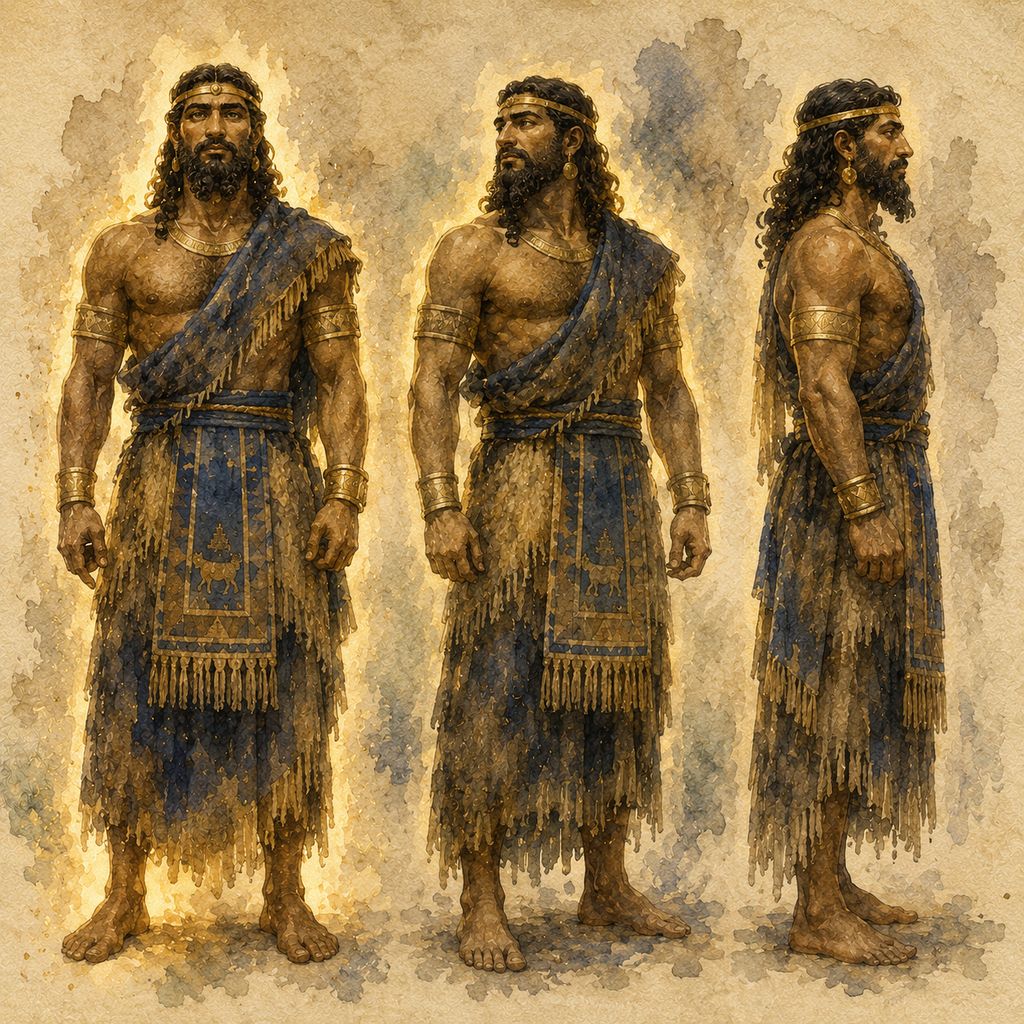
Gilgamesh
Founder-king of Uruk, two-thirds divine, whose story was carved into clay, lost for millennia, and pressed back into the light.
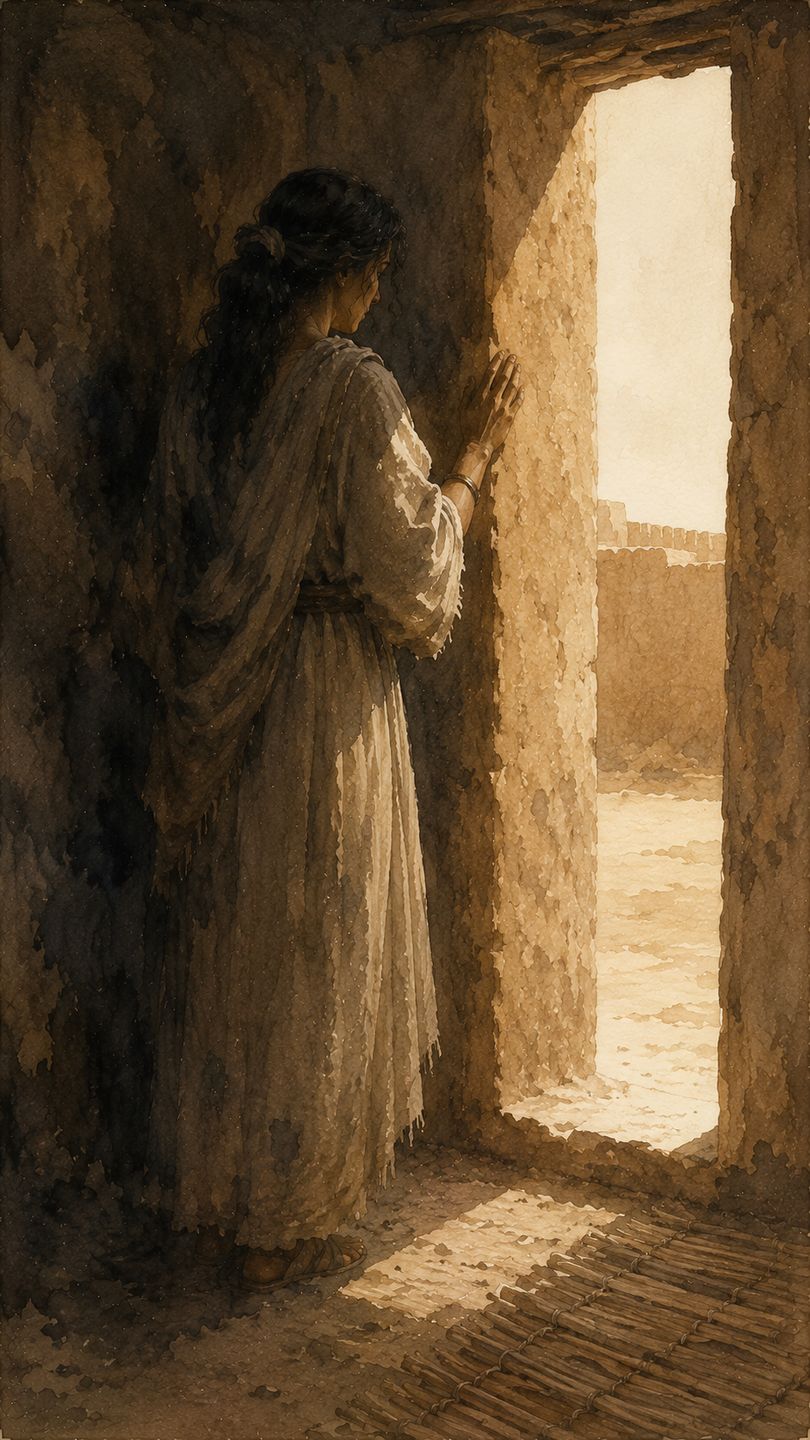
Ninsun
A guiding presence at the edge of the mind. A Guardian of wisdom, and mother of the king Gilgamesh, with a patience that feels older than the city.
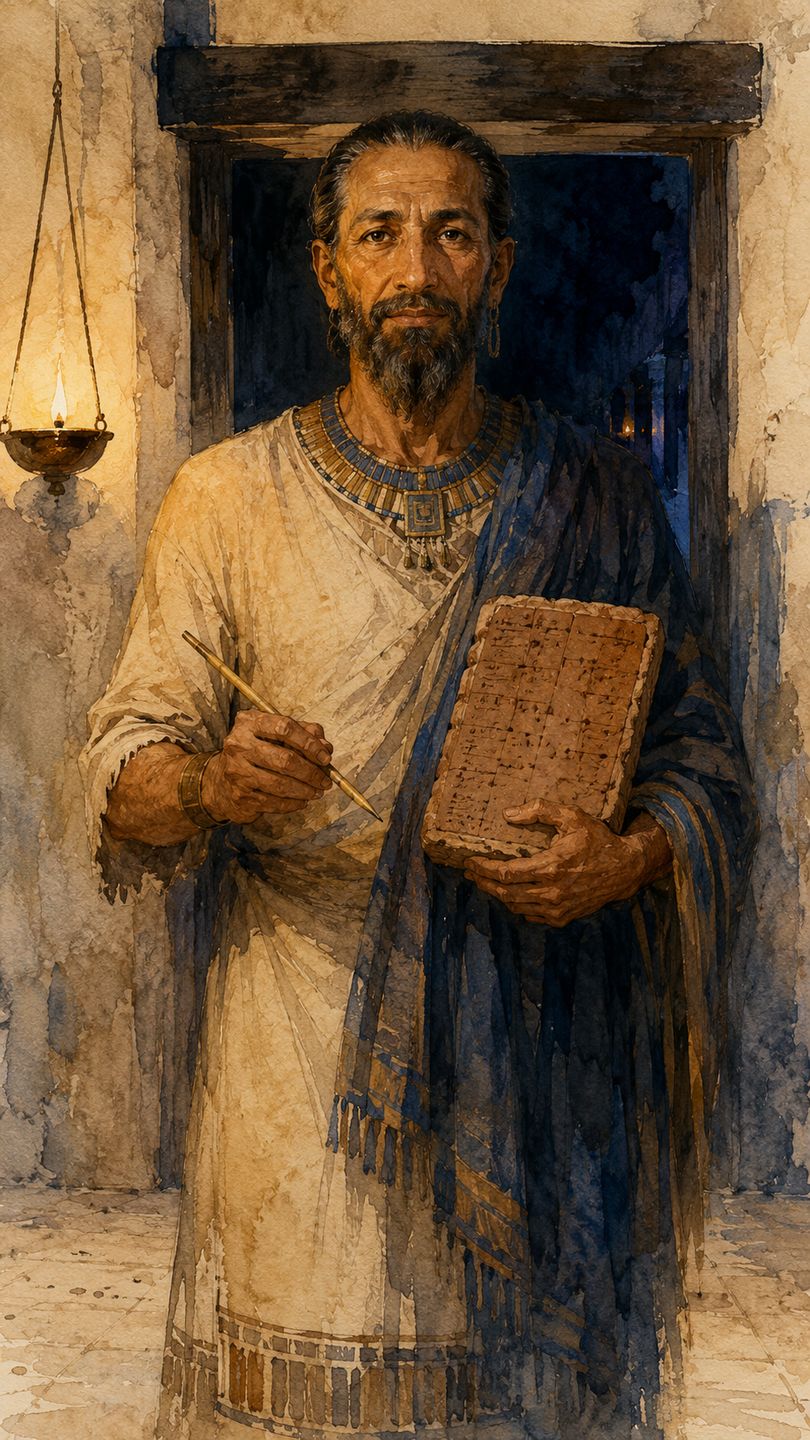
Neti
Chief gatekeeper of the world below. He keeps the ledger and works the seven bolts, and he is in no hurry at all.
Places
The world you move through, across all three ages.
The Attic
Where it begins. An inherited room, a wrapped shape in the dust, and a tablet heavier than it looks.
Uruk
The great city on the Euphrates, its canals bright at night, the first place writing was kept.
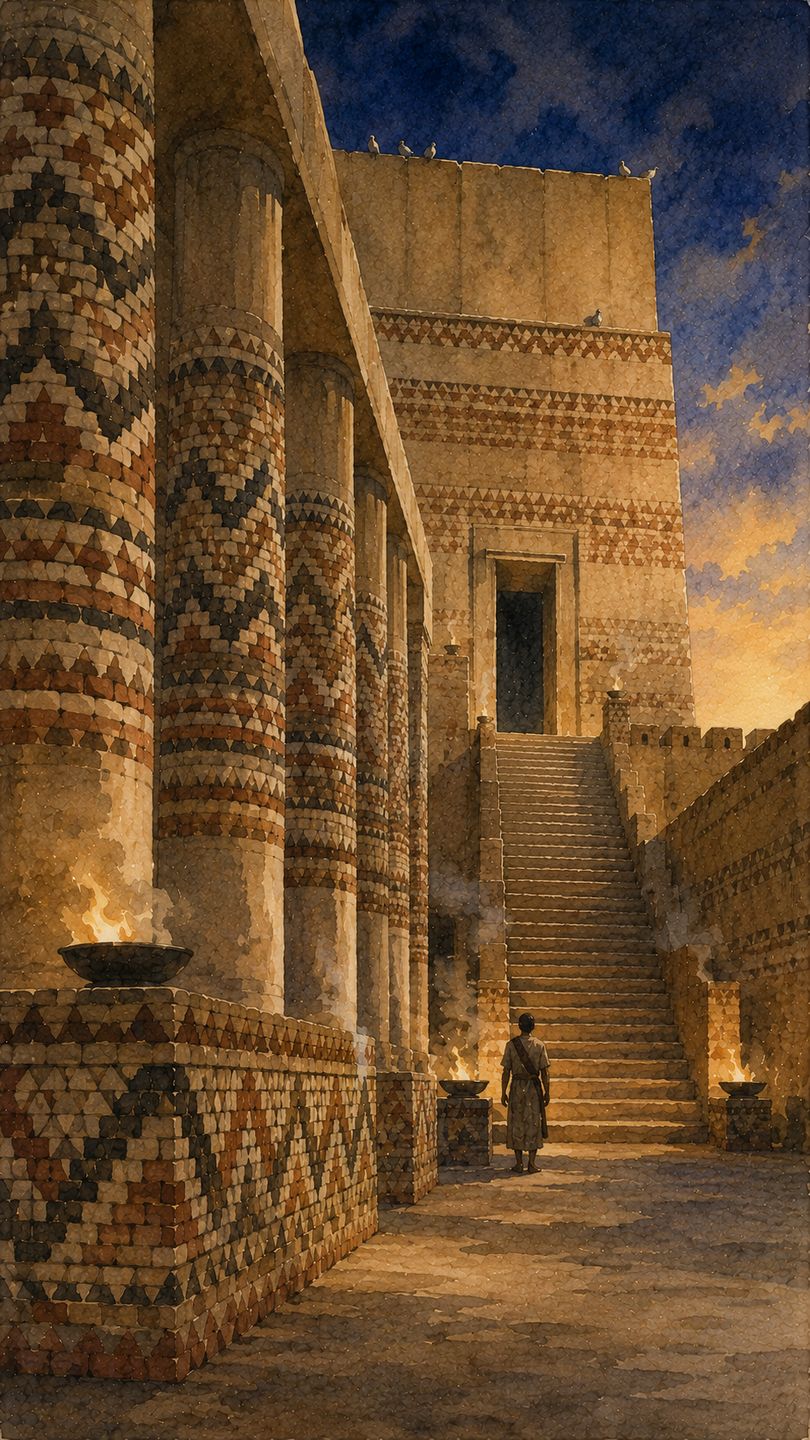
Eanna
The precinct of Inanna and its house of records, where the scribes of the city learned their craft.
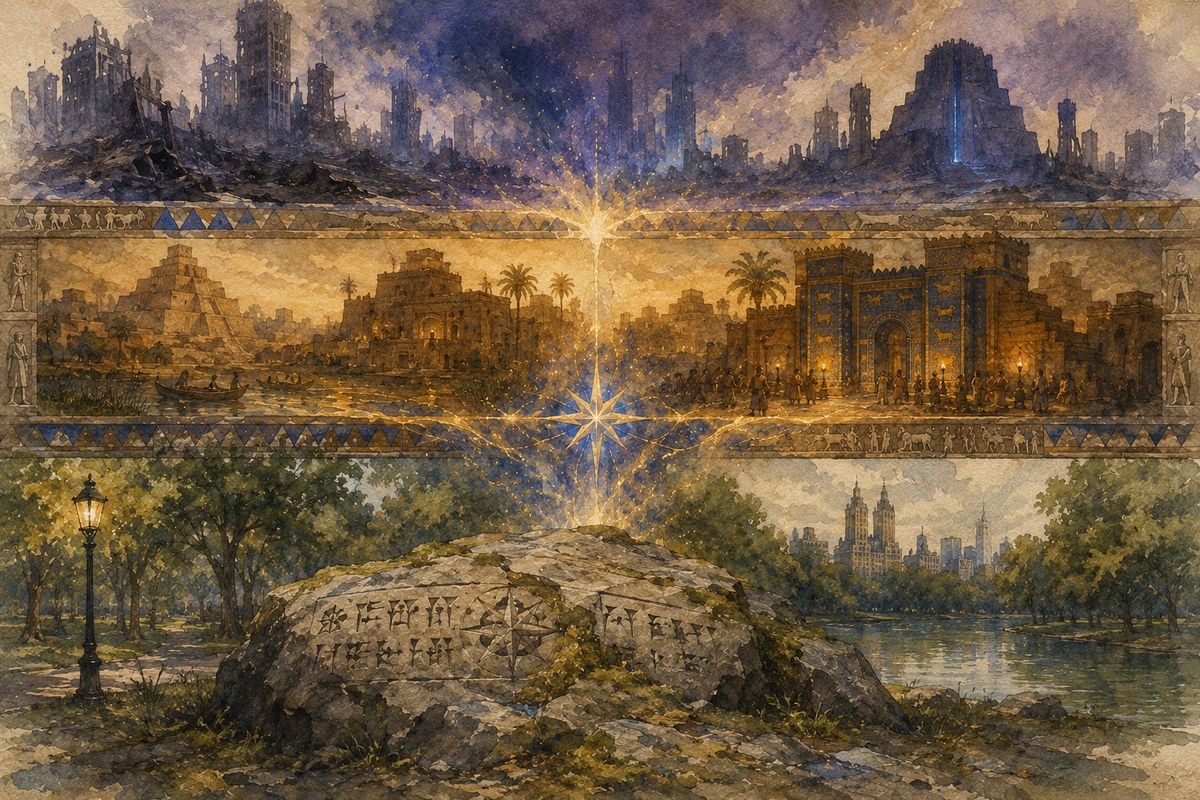
The Gate of An-Ki
A threshold between what was and what will be. In the present it wears the face of a park in New York; in Amara's time, a broken ring of stones on the plain.
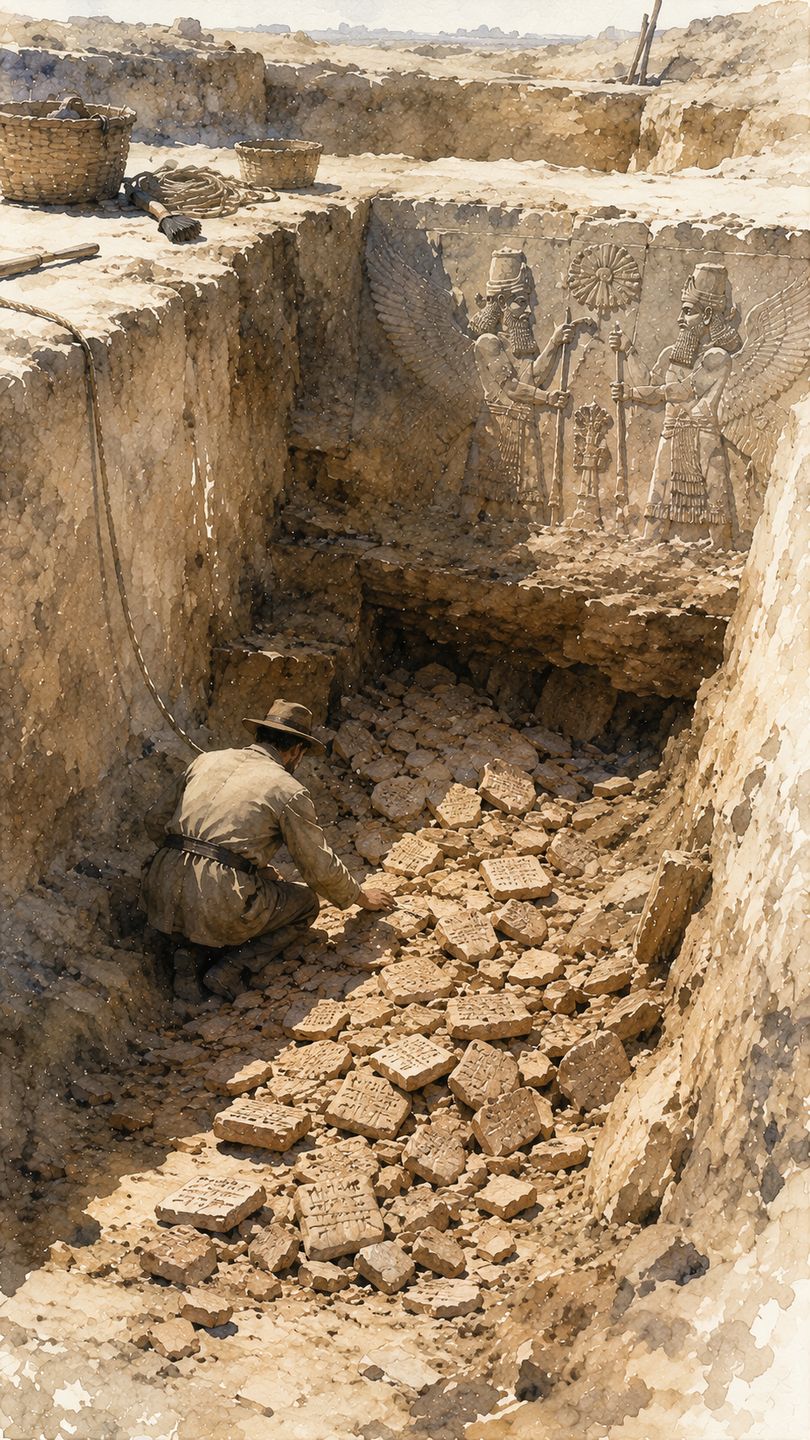
Nineveh
Where, in nineteenth-century excavations, the epic of Gilgamesh was pressed back into the light after ages underground.
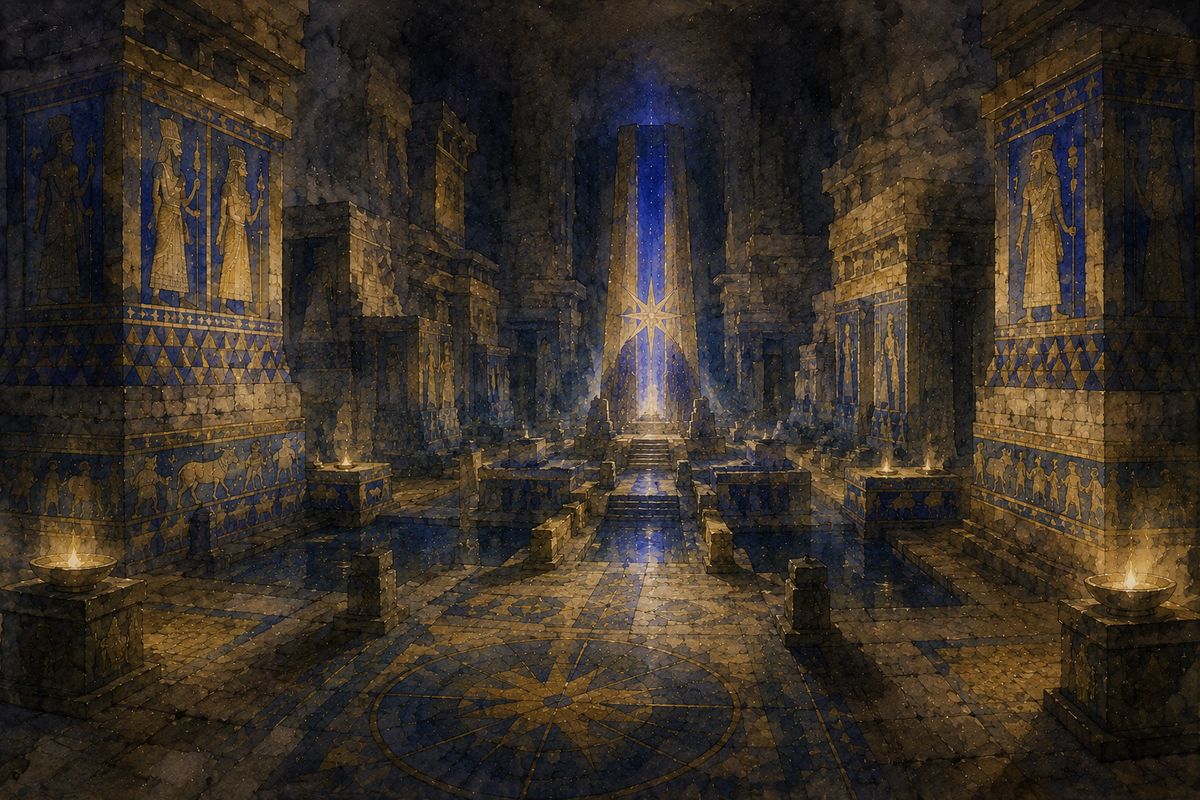
E-Kur-Gal
A seat deep beneath a drowned New York, in a century after the waters took the streets.
Questions about the world
- Is Chronicles of Uruk based on real history?
- Yes. It is grounded in the real history of Uruk, one of the first great cities of ancient Sumer, and in authentic Mesopotamian mythology. The fantastical threads are woven onto a factual spine.
- Who are the Anunnaki?
- In Sumerian religion the Anunnaki were the assembly of the great gods. Chronicles of Uruk retells them faithfully as myth, then lifts that myth into its own story.
- Do I need to know Mesopotamian history to enjoy it?
- No. The world is built to be entered as a mystery. The real history, geography, and myth are there to discover for anyone who wants to dig deeper.
- Does the Codex contain spoilers?
- No. The Codex is kept spoiler-safe. It introduces the setting, the powers remembered as myth, and the tablet at the heart of the story without giving the plot away.
Keep exploring the Chronicle