History
A timeline of ancient Mesopotamia
11 periods, from the first farming villages of the southern floodplain to the day in 1872 when a curator read a flood story older than Genesis. Dated as carefully as the evidence allows, and sourced throughout.
Three thousand years of writing, and then seventeen hundred years of silence. This is the shape of it: when each period ran, what changed in it, and where to read more. The periods themselves are real history throughout; what we lay over them, the retelling, appears only at the foot of the page, marked as ours.
c. 5500 to 4000 BCE(approximate)
The Ubaid period
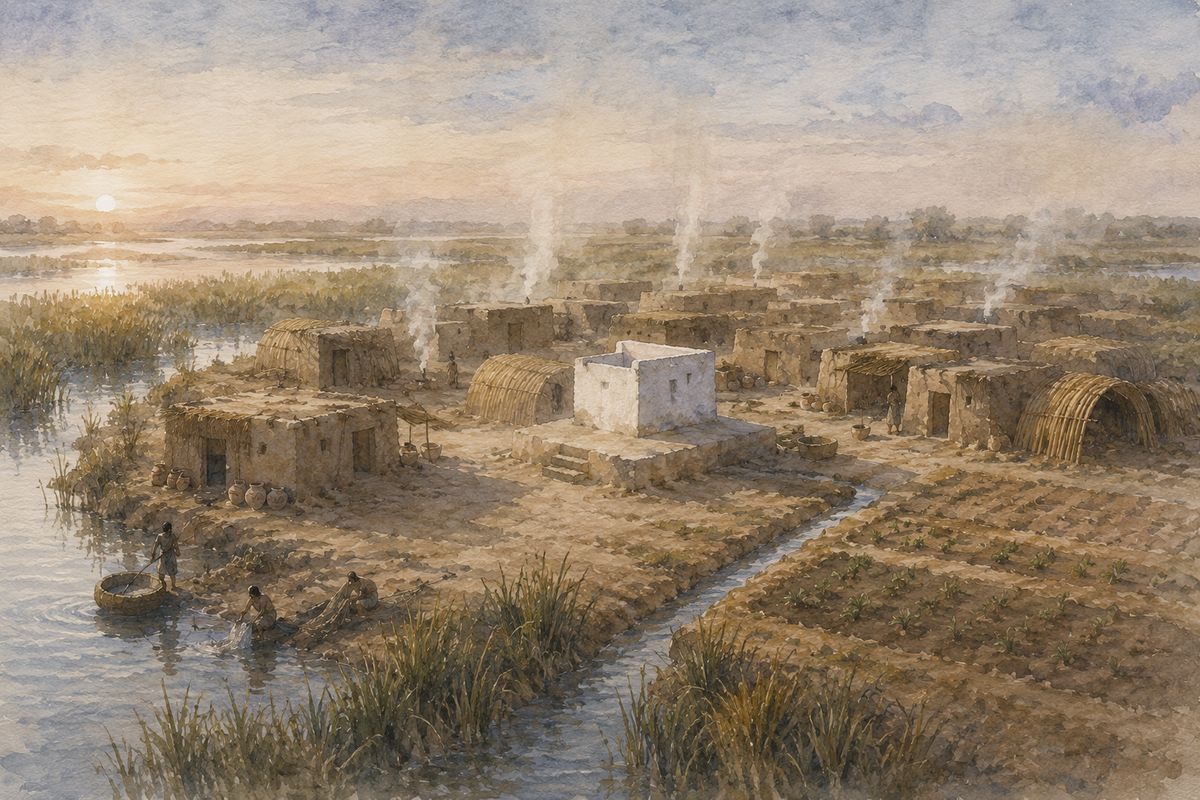
Farming villages spread across the southern floodplain and the first temple platforms are raised, at Eridug among other places. The pattern that becomes a city — a shrine at the centre, irrigation around it — is already visible.
Cities Eridug
Sources: Ubaid period · Eridu
c. 4000 to 3100 BCE(approximate)
The Uruk period
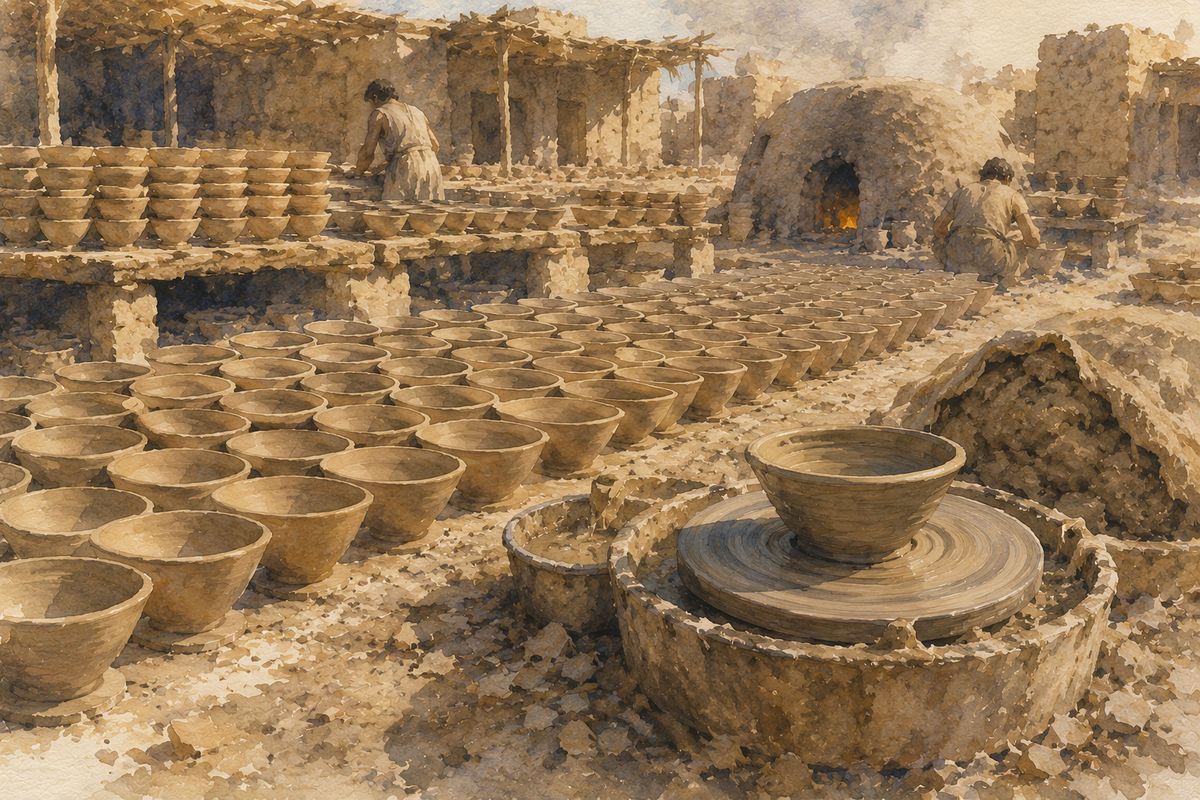
Uruk grows into arguably the world's first true city, tens of thousands of people behind a great wall. The age of firsts: monumental temple building, the fast potter's wheel, mass-produced beveled-rim bowls, and the earliest known writing, which begins as temple accounting rather than literature.
Read more: Uruk rises, the first great city · Cuneiform and the first writing
Sources: Uruk period · Uruk · Proto-cuneiform
c. 3100 to 2900 BCE(approximate)
The Jemdet Nasr period
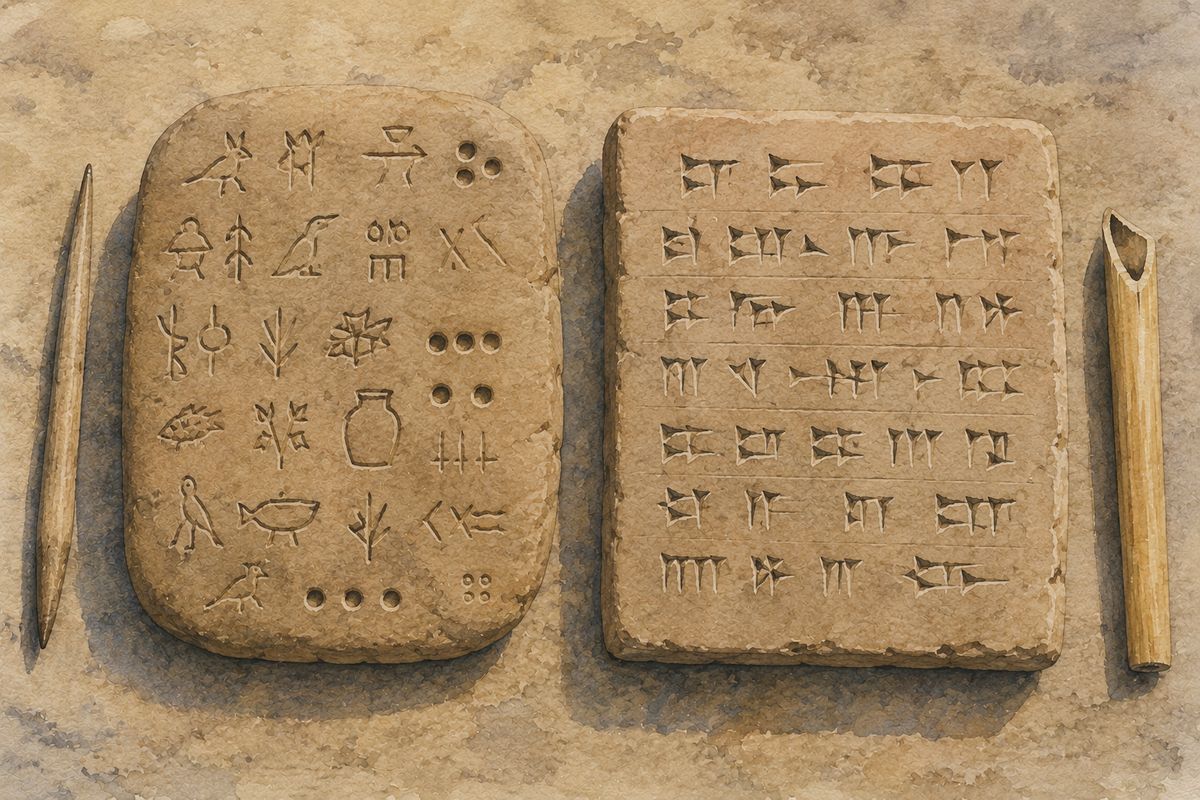
A short transitional phase. Writing moves from pictures towards wedges as the reed stylus is pressed rather than dragged, and the sign inventory begins to shrink towards something a scribe could learn.
Cities Uruk
Read more: Cuneiform and the first writing
Sources: Jemdet Nasr period · Cuneiform
c. 2900 to 2350 BCE(approximate)
The Early Dynastic period
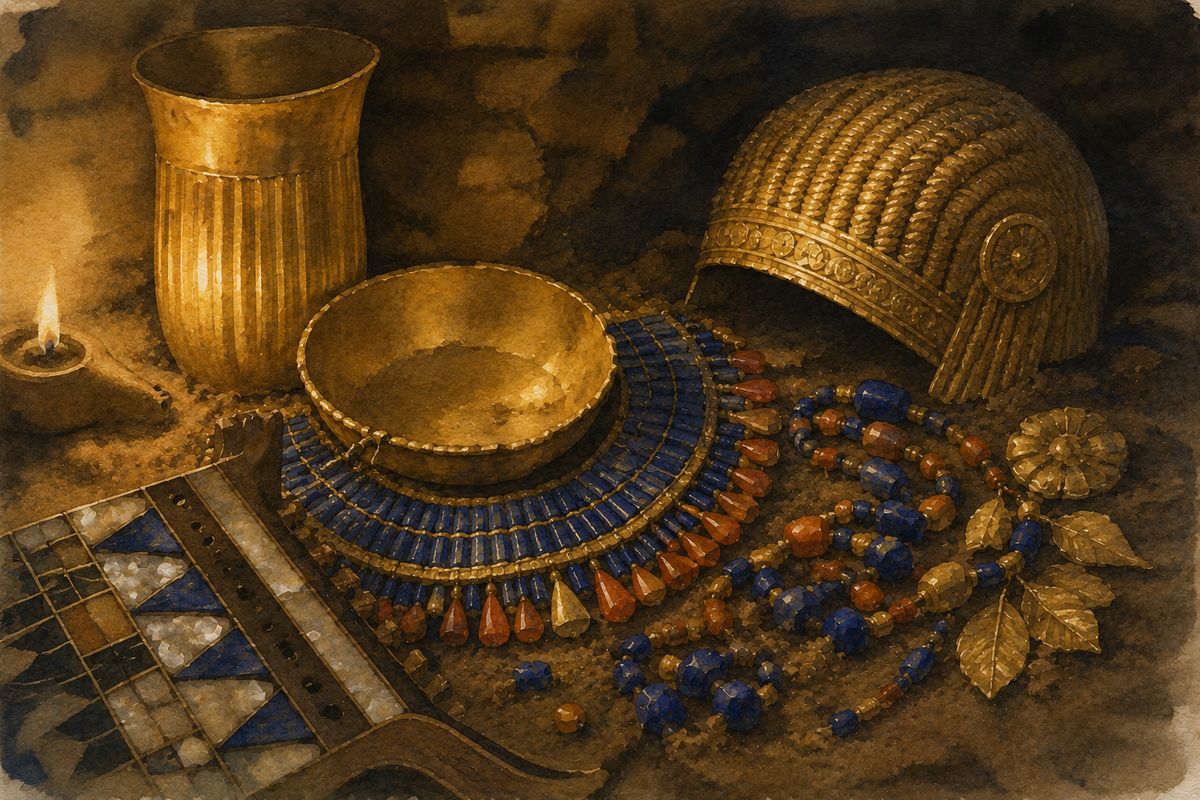
Competing city-states — Uruk, Ur, Lagash, Kish, Umma — with kings, treaties and border wars. The Royal Cemetery at Ur belongs here, and so do the semi-legendary rulers the Sumerian King List names, Gilgamesh among them. Cylinder seals become the ordinary instrument of authority.
In this period: Mesannepada · Enmerkar · Gilgamesh · Lugalbanda · Puabi
Sources: Early Dynastic Period (Mesopotamia) · Sumerian King List · Cylinder seal
c. 2334 to 2154 BCE(approximate)
The Akkadian empire
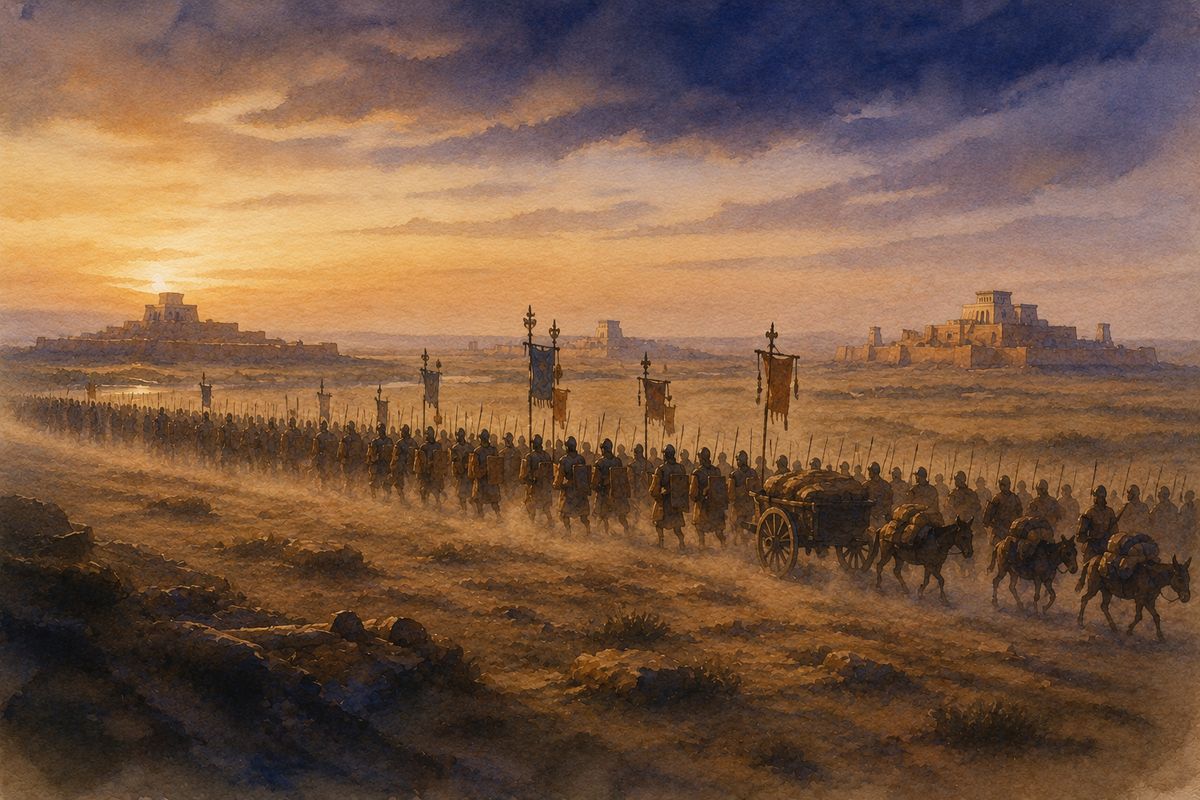
Sargon of Akkad brings the Sumerian cities under one rule, the first empire of the region. Akkadian, a Semitic language, is written with the same cuneiform signs Sumerian used, and for centuries the two are read side by side.
In this period: Sargon of Akkad · Enheduanna · Naram-Sin
Sources: Akkadian Empire · Sargon of Akkad
c. 2112 to 2004 BCE(approximate)
The Third Dynasty of Ur
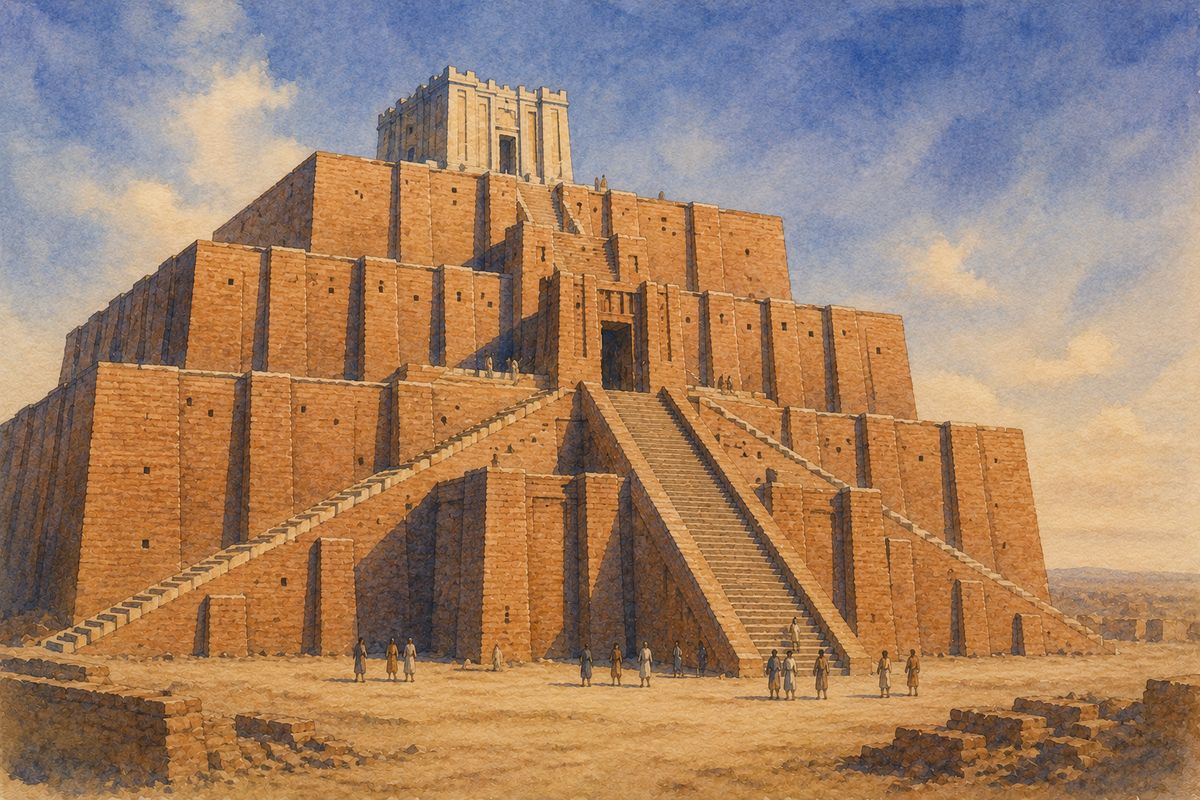
The last great Sumerian-speaking state. Ur-Nammu raises the ziggurat over Nanna's house and his son Shulgi runs an administration that leaves tens of thousands of tablets. It ends around 2004 BCE under Ibbi-Sin, a fall mourned in the Lament for Ur.
In this period: Ur-Nammu · Shulgi · Ibbi-Sin
Sources: Third Dynasty of Ur · Ziggurat of Ur · ETCSL
c. 2000 to 1595 BCE(approximate)
The Old Babylonian period
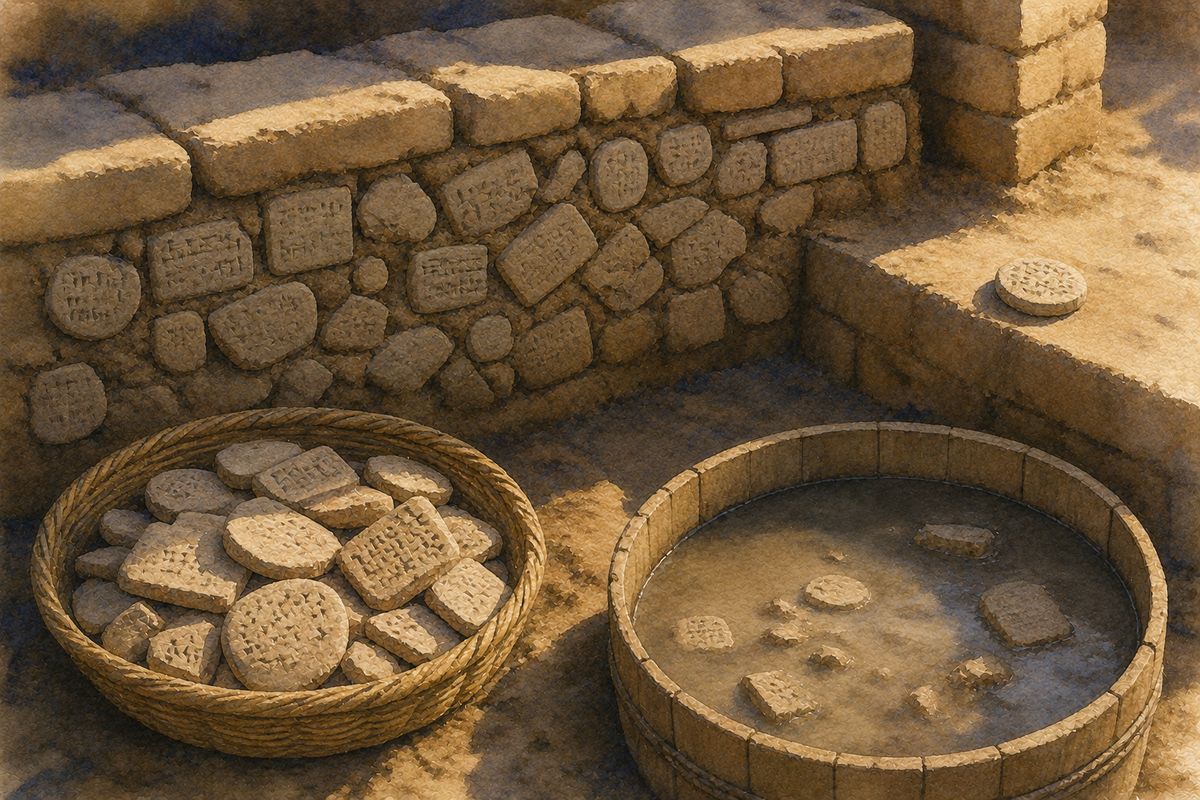
Sumerian survives as a learned and liturgical language rather than a spoken one, and the scribal schools copy it endlessly — which is precisely why we can read Sumerian literature at all. Most surviving copies of the great poems are schoolwork from these centuries, much of it excavated at Nippur.
Read more: Cuneiform and the first writing
Sources: First Babylonian dynasty · Eduba · ETCSL
c. 911 to 609 BCE
The Neo-Assyrian empire
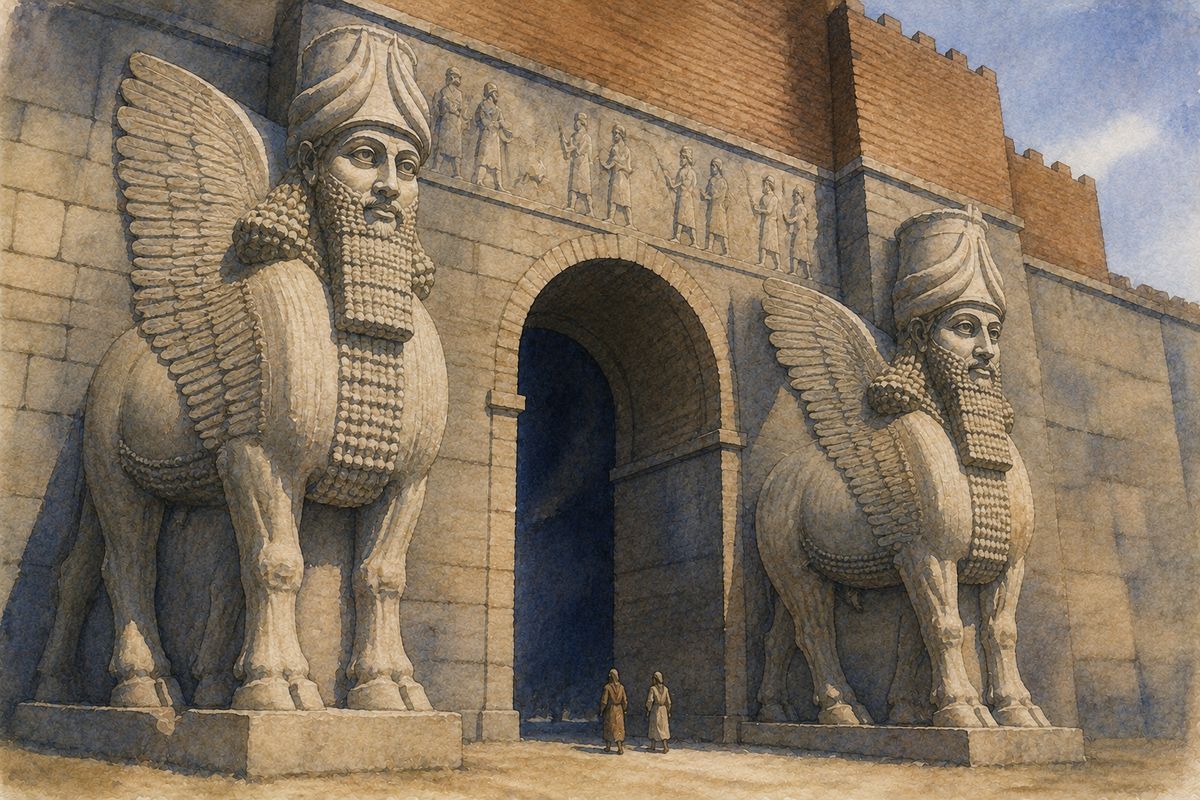
Assyria rules from Nineveh, and Ashurbanipal assembles a library meant to hold the whole written tradition, deliberately collecting older Babylonian and Sumerian texts. That act of hoarding is the reason the Epic of Gilgamesh survived to be found.
Cities Nineveh
In this period: Sennacherib · Ashurbanipal
Read more: The rediscovery of Gilgamesh (Nineveh, 1850s; the 1872 reading)
Sources: Neo-Assyrian Empire · Library of Ashurbanipal · Nineveh
626 to 539 BCE
The Neo-Babylonian period
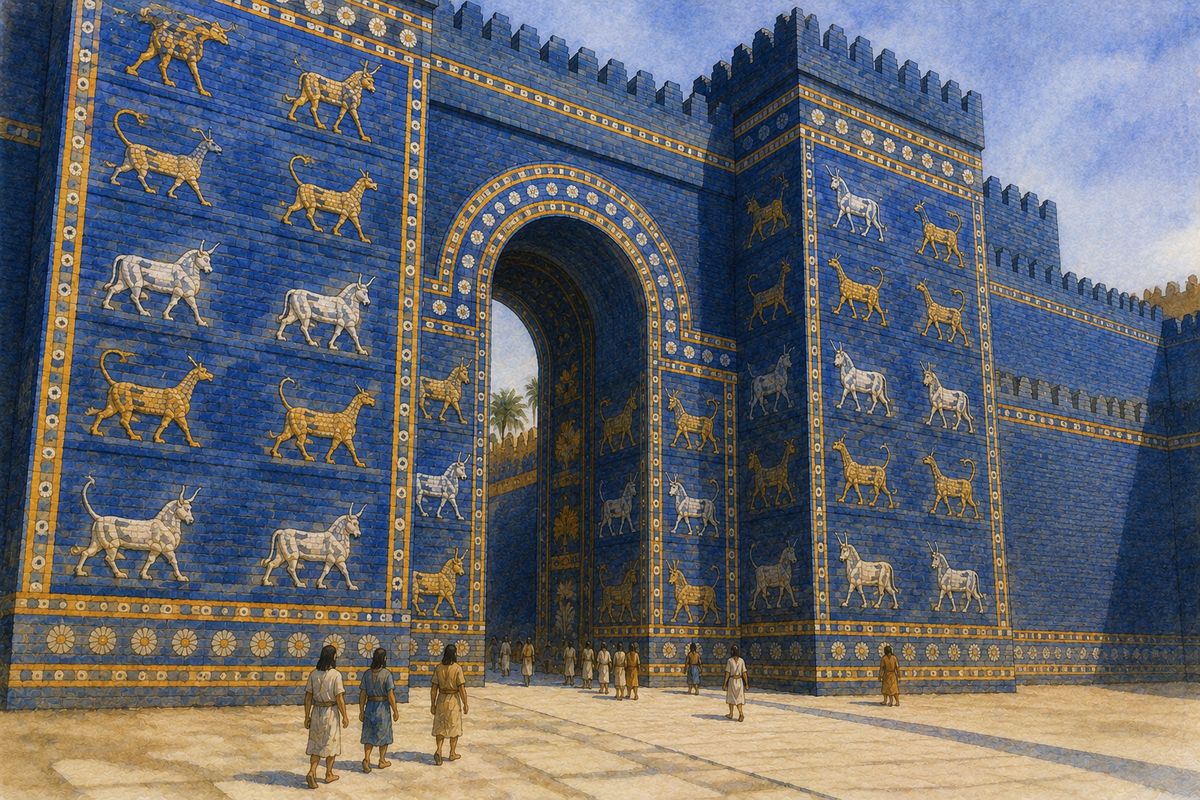
Babylon's last age of independence. Nebuchadnezzar II rebuilds the ziggurat Etemenanki and the Ishtar Gate, the glazed blue brickwork most people now picture when they imagine Mesopotamia — though it belongs some two and a half thousand years after Uruk's founding.
Sources: Neo-Babylonian Empire · Etemenanki · Ishtar Gate
539 BCE onward
Persian rule and after
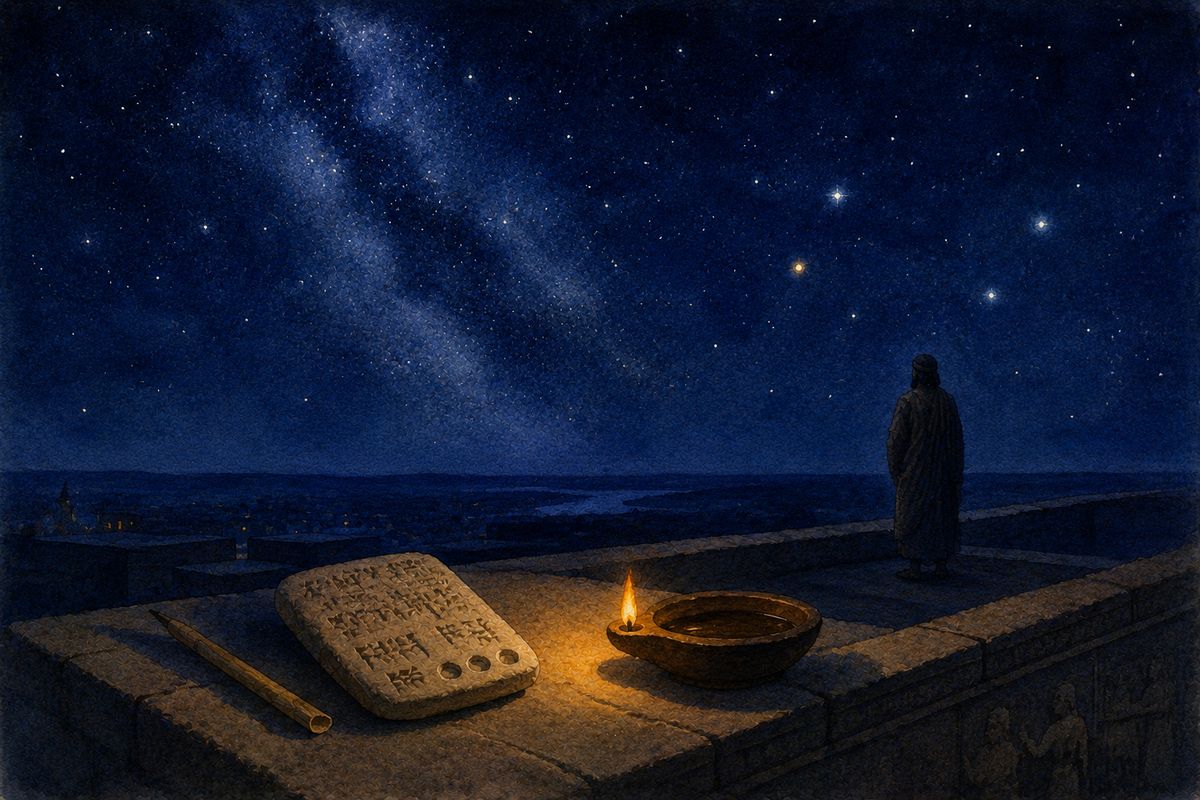
Cyrus takes Babylon in 539 BCE. Cuneiform keeps being written for centuries after political independence ends, mostly by astronomers and temple scribes; the latest securely datable cuneiform tablet is an astronomical text of roughly 75 CE. Then the script is simply forgotten, and stays forgotten for over seventeen hundred years.
Read more: Cuneiform and the first writing
Sources: Achaemenid Empire · Cuneiform
1840s to 1872 CE
The rediscovery
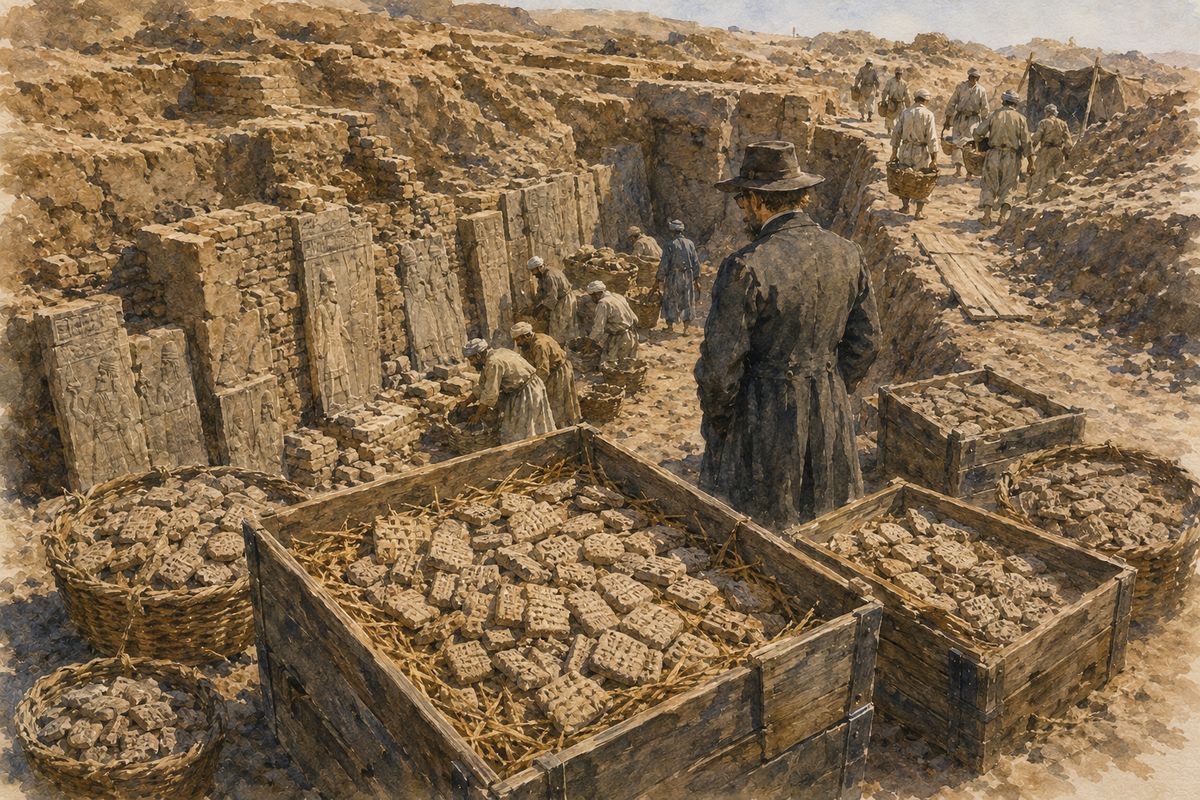
European excavation at Nineveh and Nimrud sends thousands of tablets to Europe. In 1872 George Smith, working through the Ashurbanipal material at the British Museum, reads a flood account older than Genesis and realises what he is holding. The literature of Sumer and Babylon returns to the world, and everything on these pages depends on that.
Cities Nineveh
Read more: The rediscovery of Gilgamesh (Nineveh, 1850s; the 1872 reading)
Sources: George Smith (Assyriologist) · Library of Ashurbanipal · Epic of Gilgamesh
How to read these dates
Absolute dates in Mesopotamian history are conventions rather than measurements. These follow the middle chronology, the most widely used of several competing schemes; the alternatives shift the third and second millennia by decades to over a century. Anything before the late second millennium BCE is genuinely debated, and every range marked approximate is a scholarly span, not a rounding.
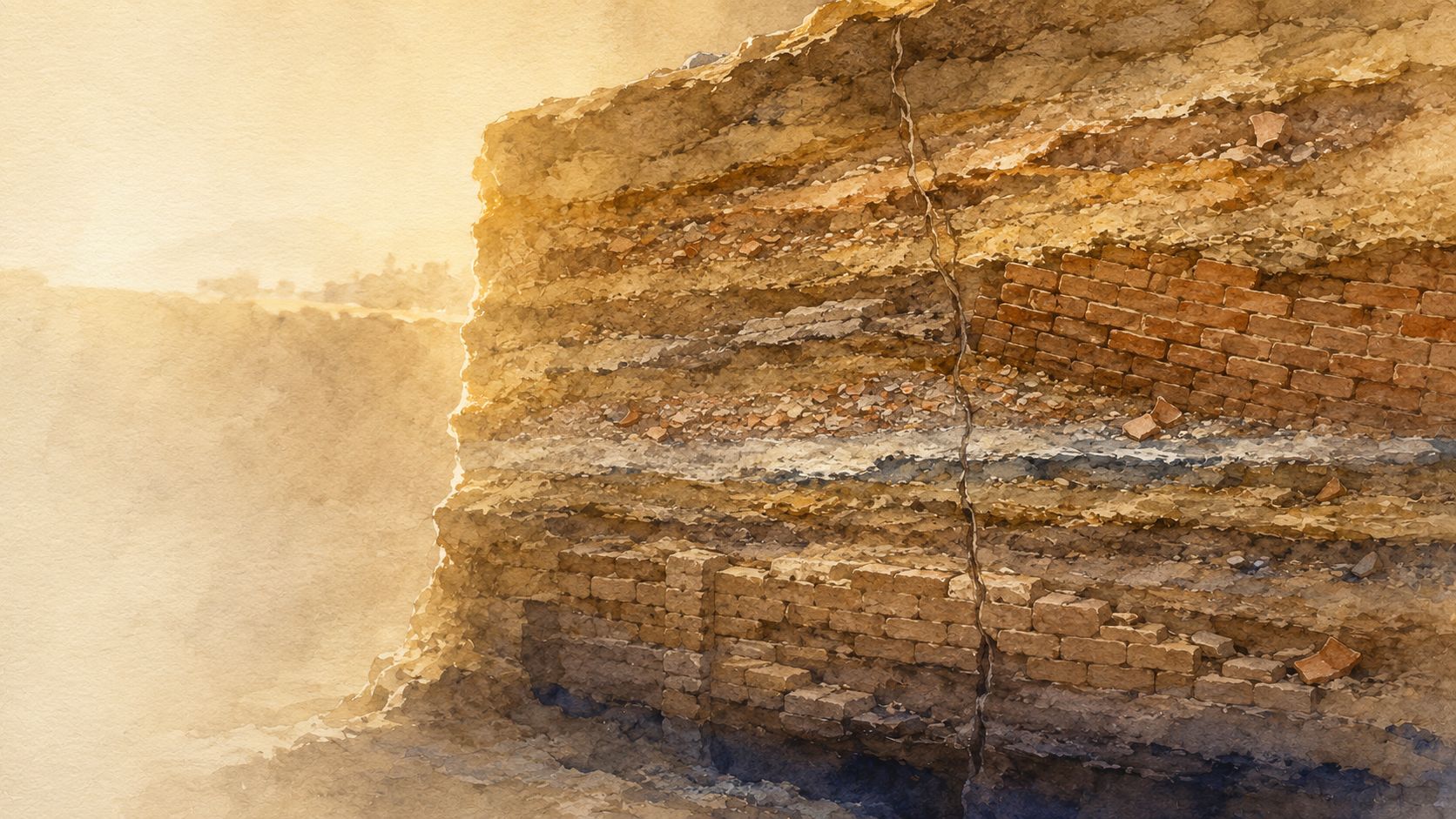
One correction worth making early: the glazed blue brickwork most people picture when they imagine Mesopotamia is Neo-Babylonian, from the sixth century BCE. That is roughly two and a half thousand years after Uruk was founded. Uruk's own walls were mudbrick, and its temples were faced with thousands of small clay cones in black, red and buff.
Sumerian literature did not survive by luck. It survived because Old Babylonian schoolboys copied it out as homework for centuries after anyone spoke it, and because an Assyrian king at Nineveh deliberately hoarded the older tradition. Both of those accidents of habit are why any of this can be read at all.
Our retelling · Fiction
The story we lay over it
Chronicles of Uruk adds a fiction on top of this chronology. On this page it is marked as ours; inside the stories and chambers it is simply reality. Three ages carry it:
Ancient Sumer
The first cities rise exactly as the record above says. In our telling, something else moves beneath them: an old conflict the tablets never wrote down.
The present day
An ordinary life is interrupted by an inheritance older than any museum case, and the old conflict becomes yours to shape.
A distant future
Far ahead, beneath a changed New York, what began at Uruk is still being decided.
The periods above stay real history throughout; nothing in this band is taught as fact. The full lore, with its reveals, lives behind its own notice.
Keep exploring the Chronicle