History
How we know any of this
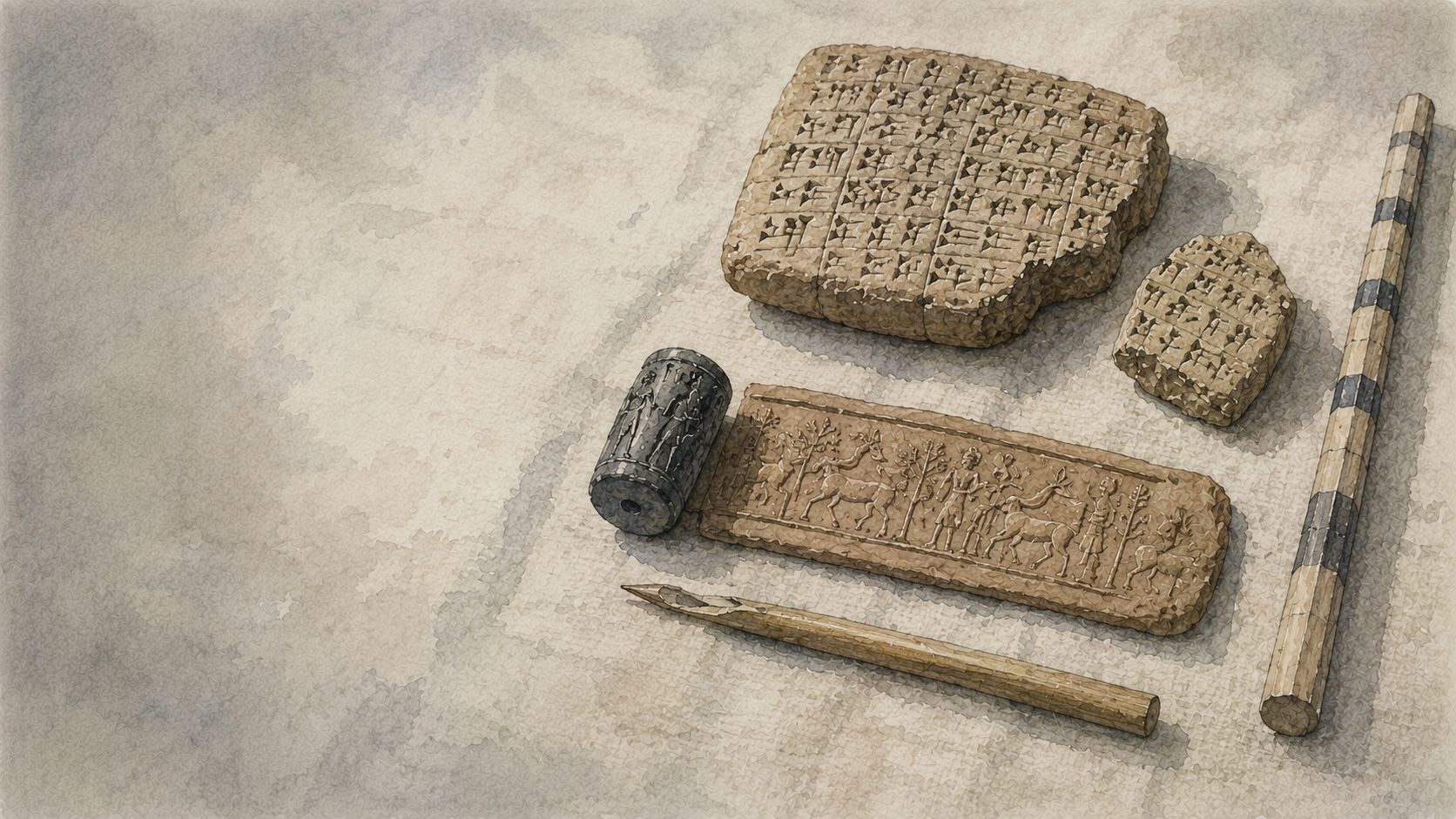
Clay, seals, deposits under floors, and the problem of honest witnesses who disagree. The evidence itself, and what it can and cannot carry.
Every other index here answers what there is: seven cities, eleven periods, seventy-one signs. This one answers how anybody knows, which is the question a sceptical reader actually has and the one almost nobody publishing this material bothers to answer.
It is also the most reassuring corner of the site to read first. If the method holds up, the rest is worth your time. If it does not, no amount of confident prose elsewhere should convince you.
When honest tablets disagree
Mesopotamia, 3rd to 1st millennium BCE
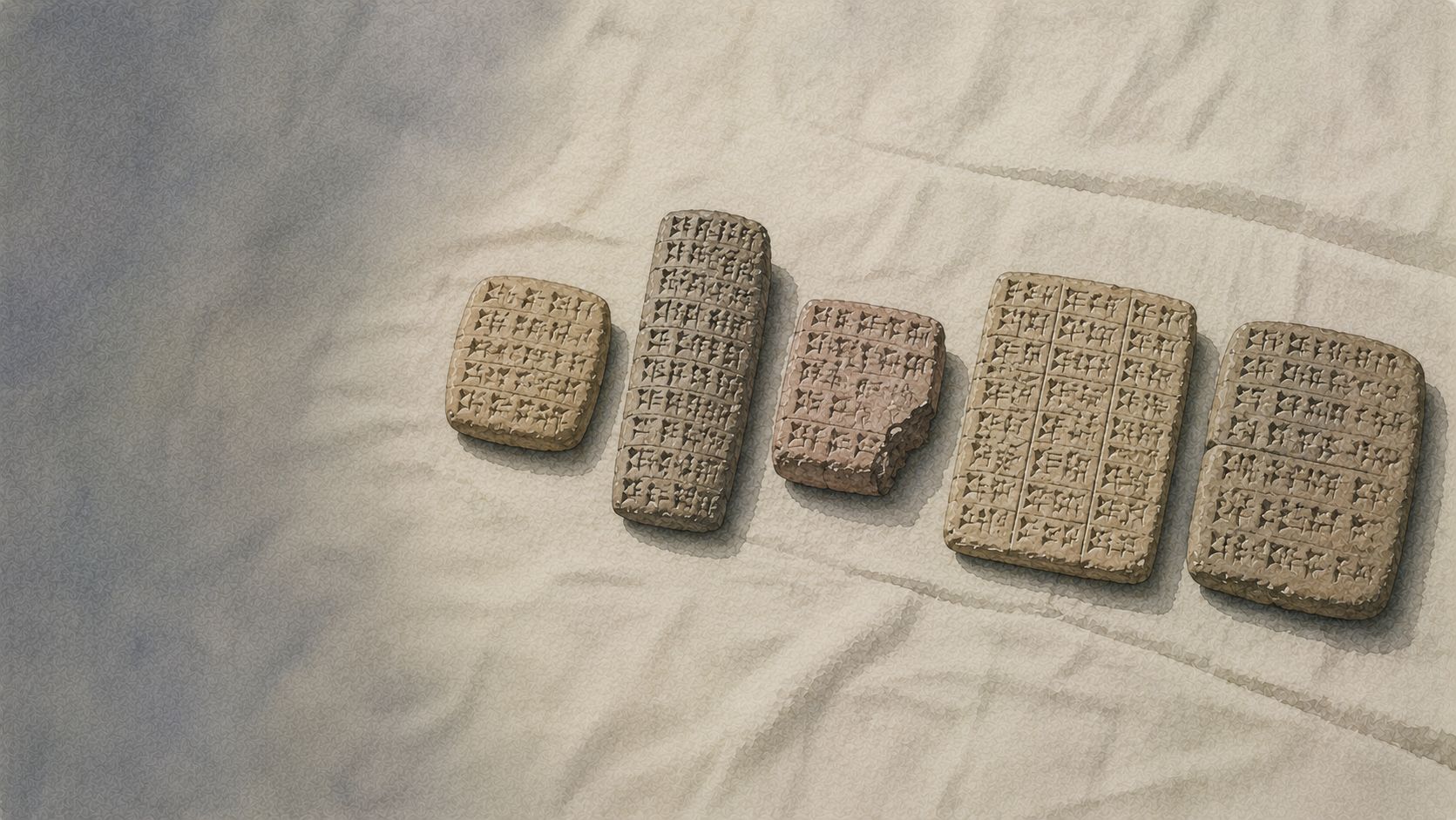
Different cuneiform genres could record the same event in sincerely different terms: royal inscriptions, year-names, omen reports, letters, and laments each shaped what a scribe wrote by what the genre was FOR.
Cylinder seals and sealings
Uruk period onward, Mesopotamia
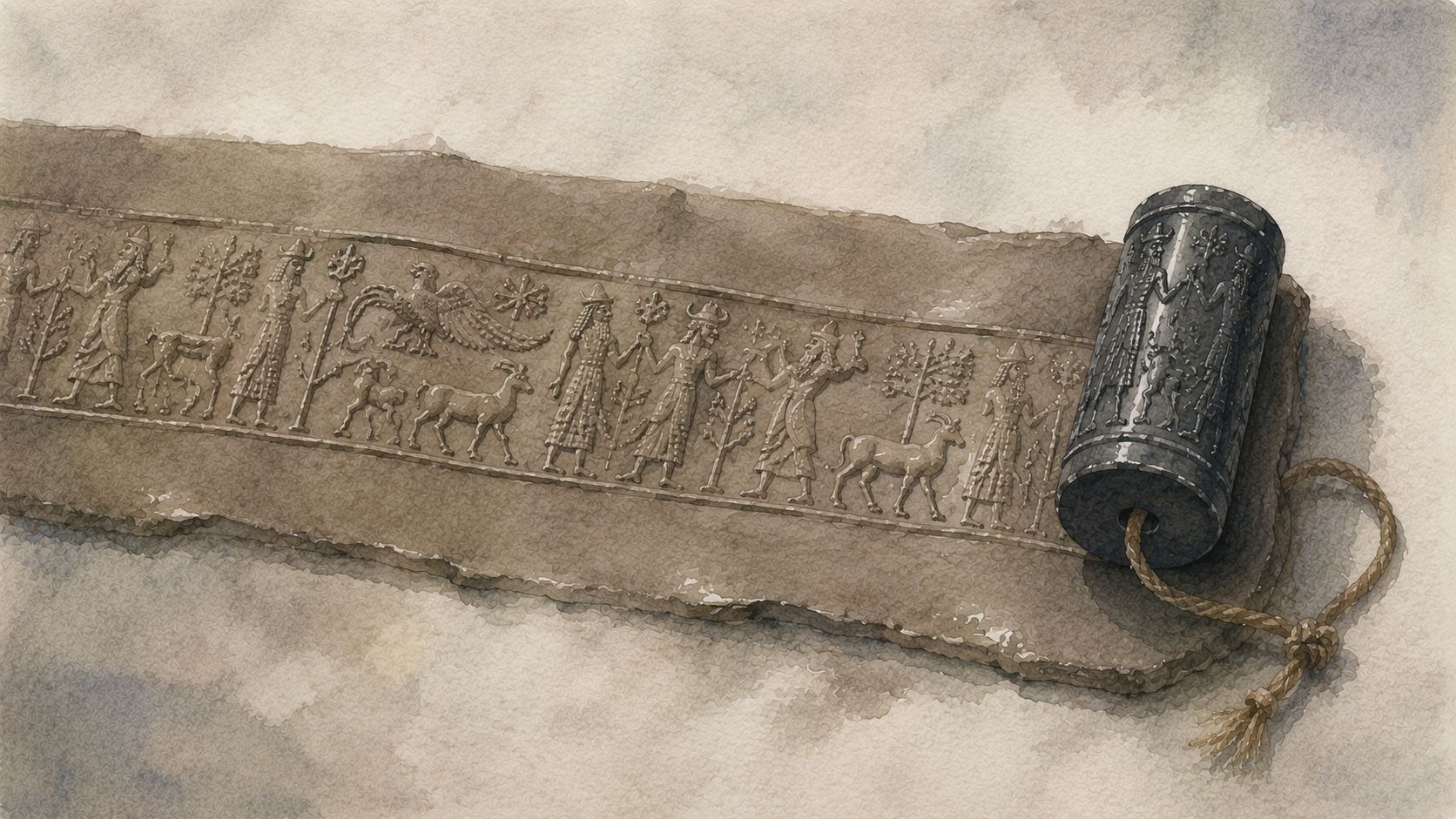
Cylinder seals were carved in intaglio and in reverse from hardstones, then rolled across wet clay to leave a repeating image.
Foundation tablets and deposits
Sumer onward, Mesopotamia
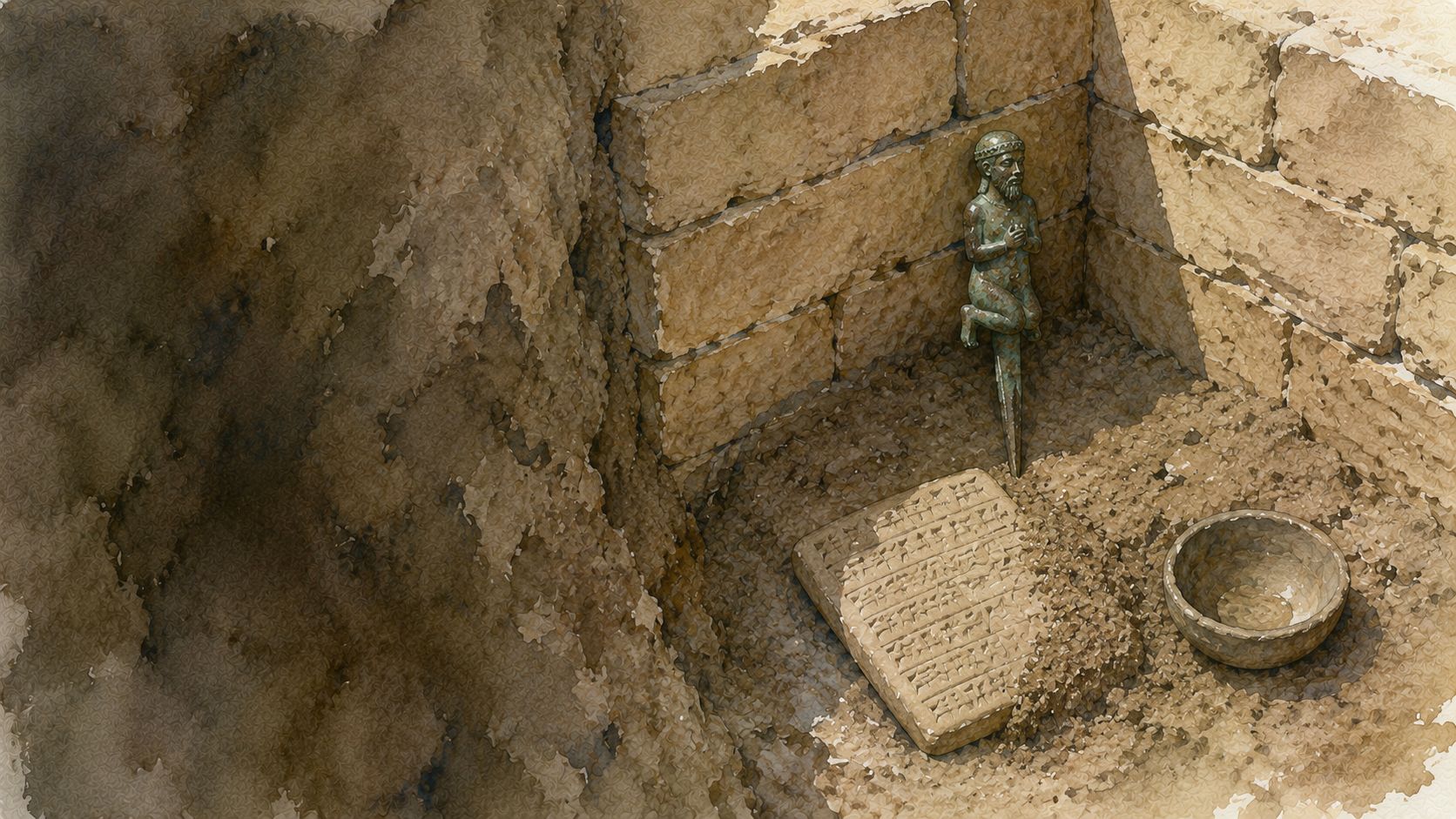
Mesopotamian builders buried foundation deposits — inscribed tablets, figurines, and offerings — in a temple's footings to record who built it and to consecrate it.
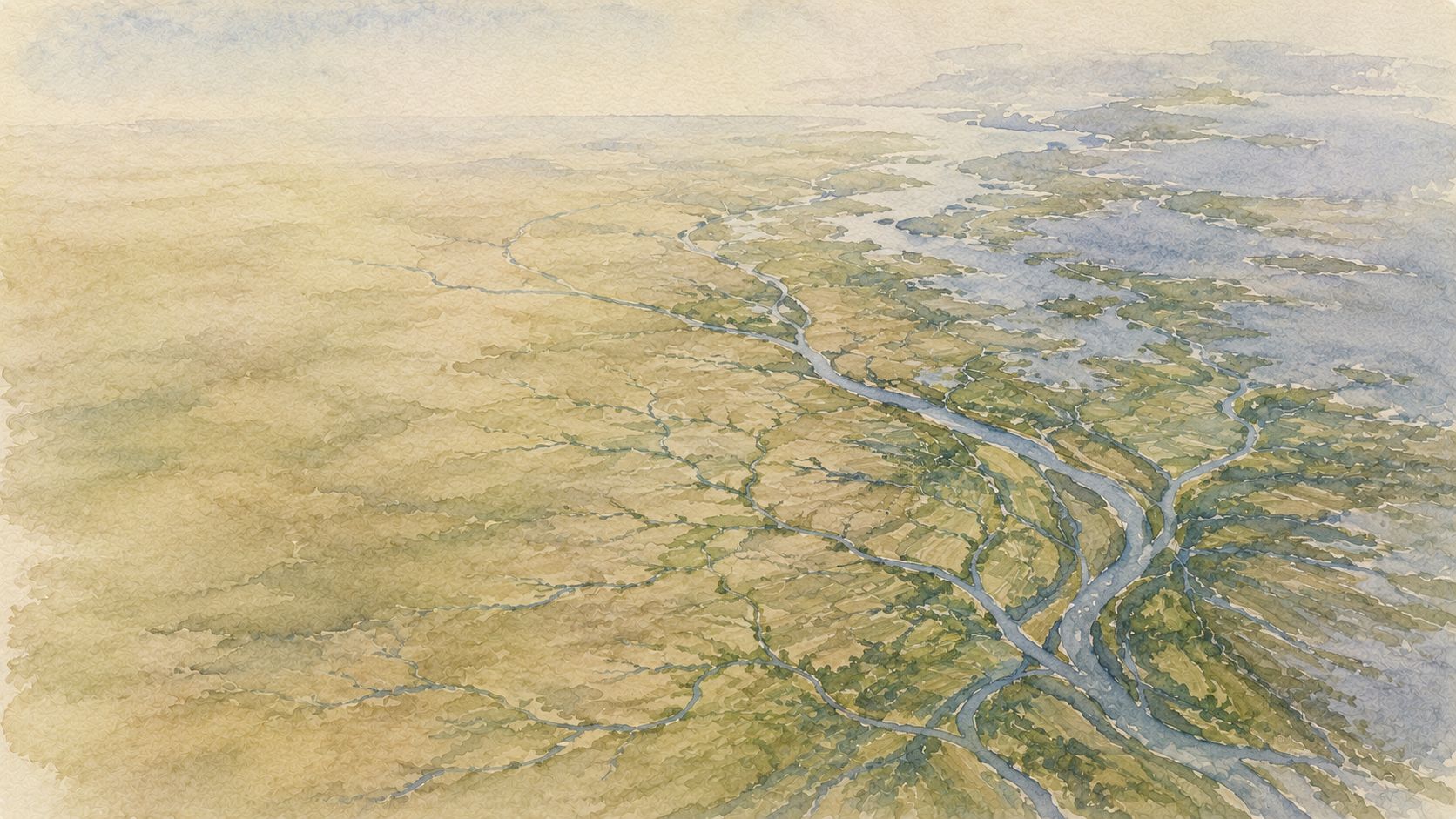
The land between the rivers
Ubaid to Uruk periods, southern Mesopotamia (~6th to 4th millennium BCE)
Mesopotamia means 'between the rivers' (Greek); the land is the alluvial plain built by the silt of the Tigris and Euphrates, in what is now southern Iraq.
The standard we hold ourselves to
Every factual page here carries a block naming what the record supports, what we added on top, and what we will never claim, with real outbound sources. It is generated from a contract in our source files rather than written per page, so a page cannot quietly assert more than it is entitled to.
Where specialists genuinely disagree, we say so rather than picking a side quietly. Ur and the biblical Ur of the Chaldees, how much of the Exaltation of Inanna is Enheduanna's own text, whether a title should be read as queen or as priestess: these are live arguments, and a page that hides them is less useful than one that names them.
Dates before the late second millennium BCE are approximate, sometimes by centuries, and our chronology marks which ranges are scholarly spans rather than settled years. A source that never hedges is not being careful with you.
Keep exploring the Chronicle