التاريخ
من كانوا يديرون هذه المدن
14 قائدًا مذكورًا بالاسم، كلٌّ منهم مُقيَّم بحسب ما تسنده الأدلة فعلًا: 10 تشهد لهم أشياء صُنعت في حياتهم، و4 لا نعرفهم إلا من التقليد.
تركت لنا سومر أسماء ملوك على الطوب، وعلى الأختام، وعلى خرزات حُملت مئات الأميال، وفي قائمة تبدأ بحكمٍ مدته ثمانية وعشرون ألف سنة. كل ذلك مادة حقيقية. وبعضه فقط تاريخ.
هذه الصفحة تفصل بين الأمرين، شخصًا شخصًا، وتربط كلًّا منهم بالمدينة التي ينتمي إليها وبالحقبة التي يقع فيها. وحيث تنتهي الأدلة تقول ذلك، وتقوله بجوار الاسم لا في حاشية في الأسفل.
كيف تُقرأ العلامات
- مُثبَت
- شخص حقيقي. تحمل اسمَه أشياءُ أو نقوش أو أرشيفات صُنعت في حياته.
- من التقليد
- يسمّيه التقليد، دون شهادة معاصرة على الشخص نفسه. النصوص حقيقية؛ أما أن الفرد كان كذلك فغير ثابت.
قبل أن يبدأ الإطار
فترات حكم يضعها التقليد قبل الطوفان، خارج أي حقبة أثرية.
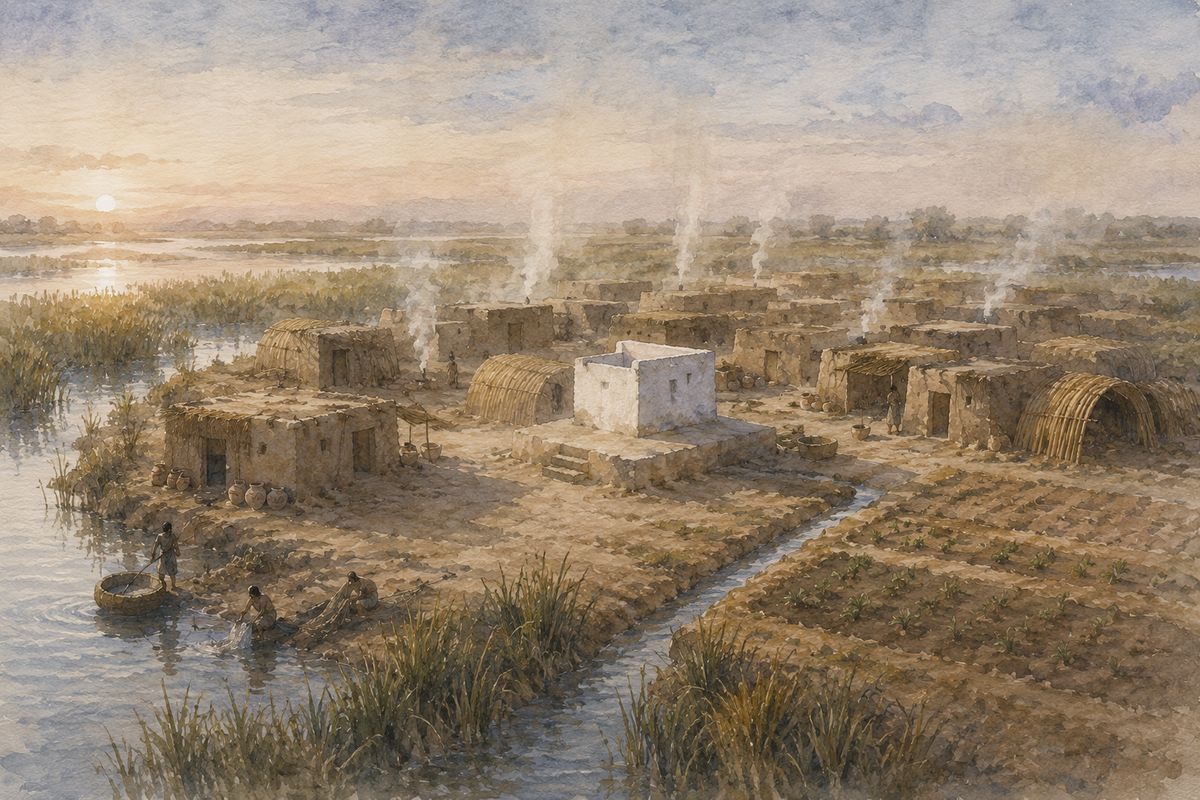
عصر السلالات الأولى
نحو 2900 إلى 2350 قبل الميلاد
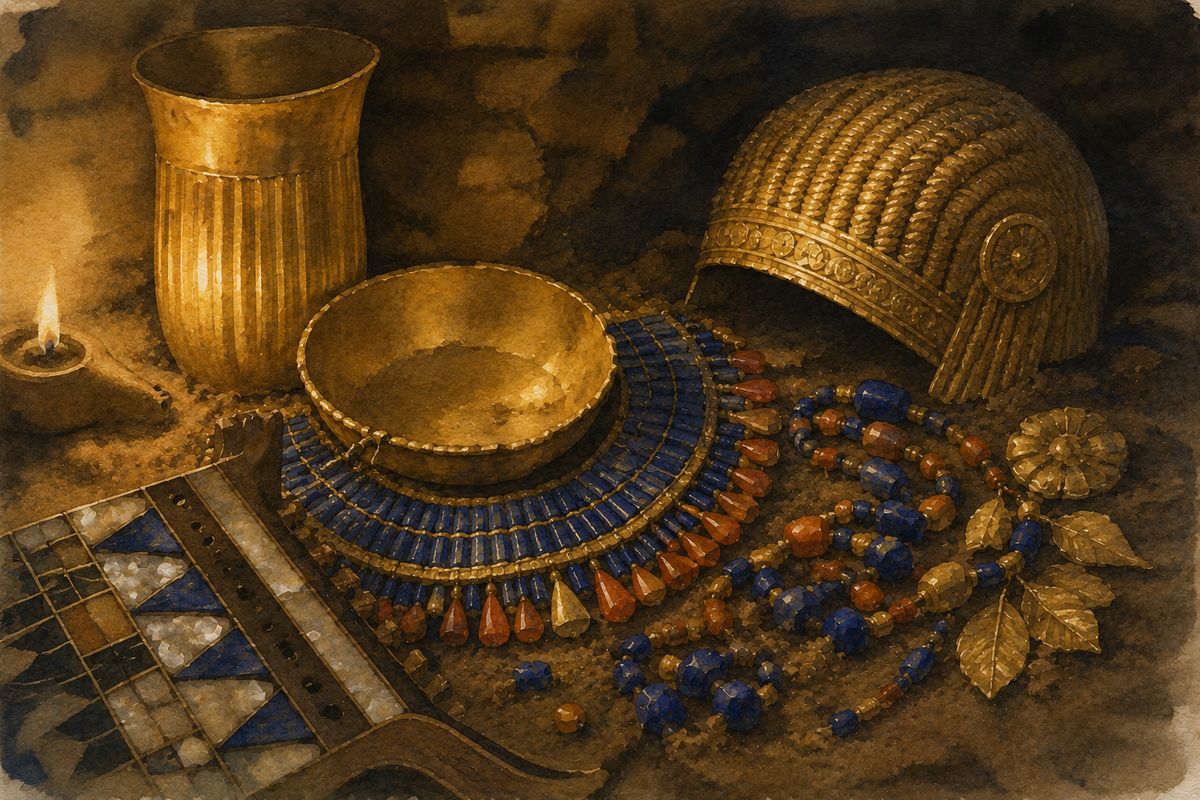
Mesannepada
مُثبَتthe earliest king of Ur we can hold in our hands
- مدة الحكم:
- c. 26th century BCE
- المدينة:
- Ur
Founder of the First Dynasty of Ur, and among the earliest Mesopotamian kings attested by objects made in his own lifetime rather than by a later list.
Enmerkar
من التقليدthe king in the poem about writing
- مدة الحكم:
- the King List places him in the First Dynasty of Uruk; no contemporary attestation
- المدينة:
- Uruk
A king of Uruk in the Sumerian King List, and the hero of the Sumerian poem that contains the oldest story about writing being invented.
Gilgamesh
من التقليدthe one everyone has heard of
- مدة الحكم:
- the King List places him in the First Dynasty of Uruk
- المدينة:
- Uruk
King of Uruk in the Sumerian King List and the hero of the Epic. A real early ruler may lie behind the name; the poem is literature either way.
Lugalbanda
من التقليدthe father, and a king in his own poems
- مدة الحكم:
- the King List places him in the First Dynasty of Uruk
- المدينة:
- Uruk
An early king of Uruk in the Sumerian King List, hero of two Sumerian poems of his own, and later worshipped as a god.
Puabi
مُثبَتthe burial that made Ur famous
- مدة الحكم:
- no reign is recorded; her cylinder seal gives her the title nin
- المدينة:
- Ur
A woman of high rank buried at Ur around 2600 BCE with lyres, a gold headdress and attendants. Her seal names her, which is why we know her name at all.
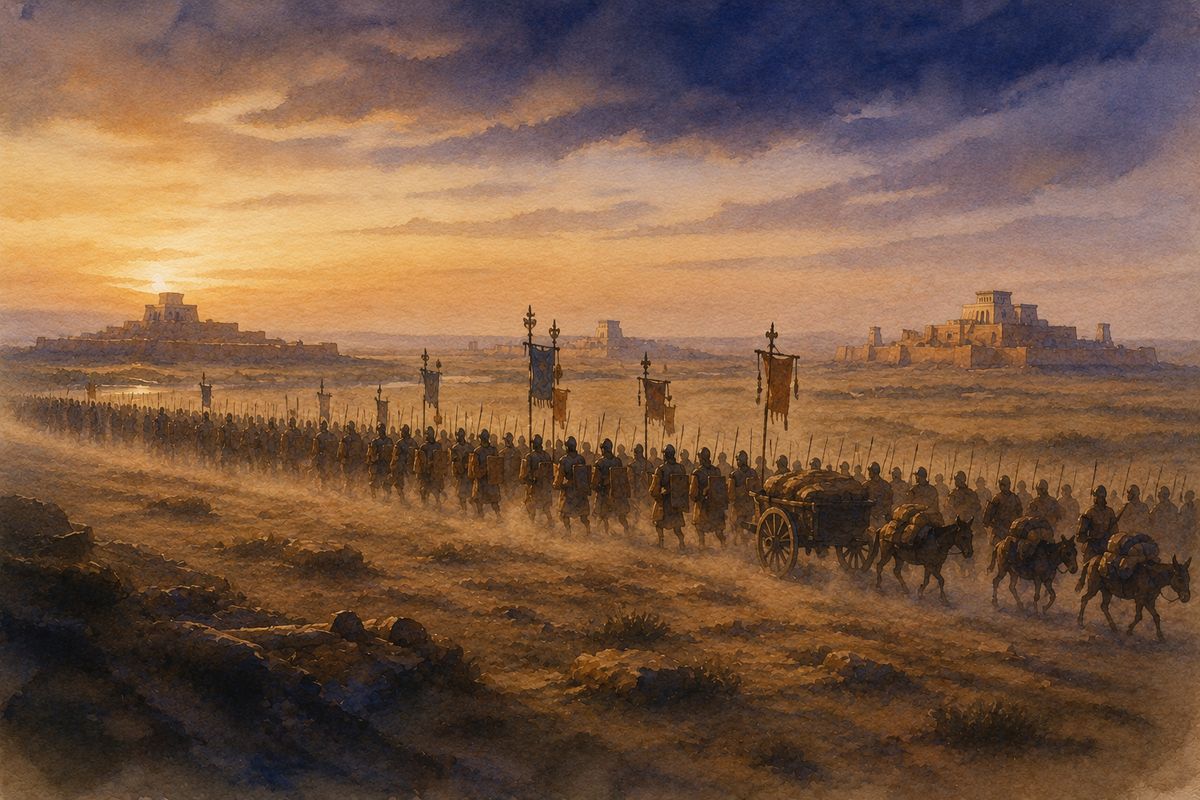
الإمبراطورية الأكدية
نحو 2334 إلى 2154 قبل الميلاد
Sargon of Akkad
مُثبَتthe first empire
- مدة الحكم:
- c. 2334 to 2279 BCE
The king who brought the Sumerian cities under one rule, founding the first empire of the region. His capital has never been found.
Enheduanna
مُثبَتhigh priestess, and the first author with a name
- مدة الحكم:
- she did not rule; she held the office of en-priestess at Ur, c. 2300 BCE
- المدينة:
- Ur
Daughter of Sargon and high priestess of Nanna at Ur, and the earliest author whose name is attached to surviving work.
Naram-Sin
مُثبَتthe king who wrote himself a god
- مدة الحكم:
- c. 2254 to 2218 BCE
Sargon's grandson, and the first Mesopotamian king known to have claimed divinity in his own lifetime.
سلالة أور الثالثة
نحو 2112 إلى 2004 قبل الميلاد
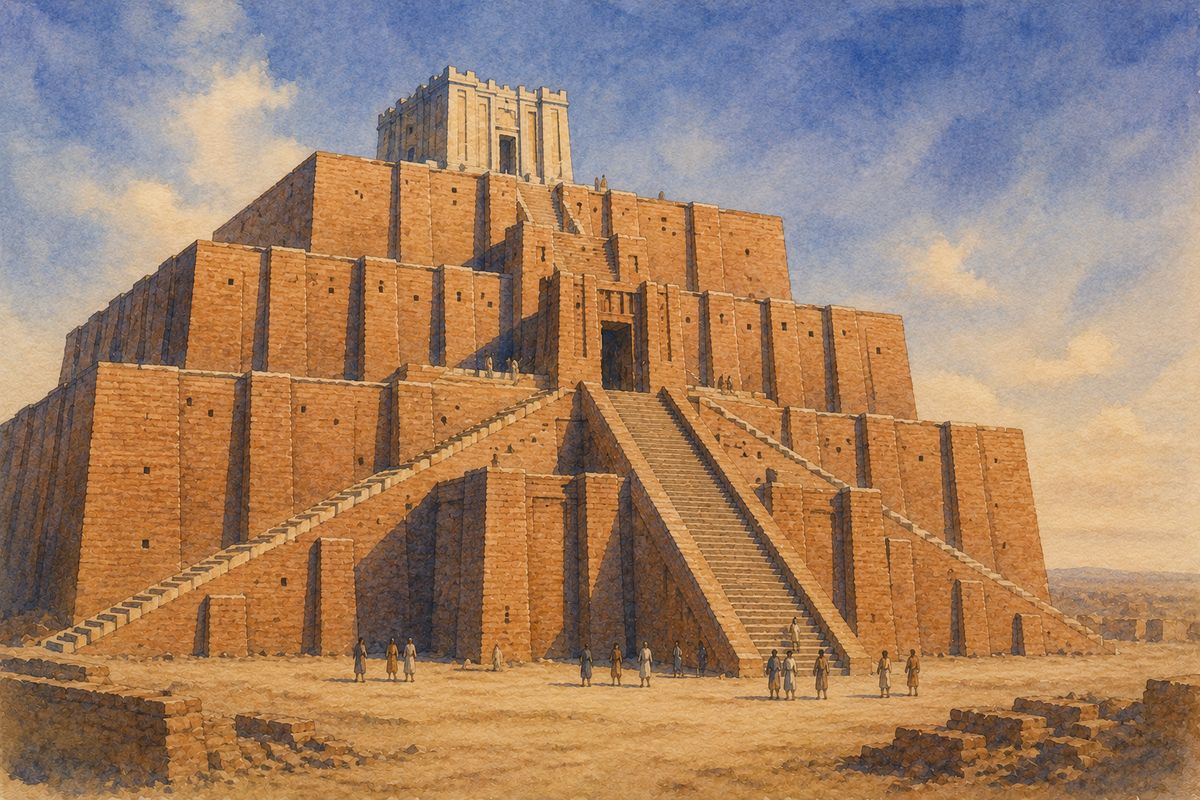
Ur-Nammu
مُثبَتthe ziggurat and the law
- مدة الحكم:
- c. 2112 to 2095 BCE
- المدينة:
- Ur
Founder of the Third Dynasty of Ur, builder of the great ziggurat that still stands, and the name on the oldest surviving law code.
Shulgi
مُثبَتthe administrator
- مدة الحكم:
- c. 2094 to 2046 BCE
- المدينة:
- Ur
Ur-Nammu's son, who ruled for around forty-eight years and built the bureaucracy whose clay archives are the richest record any Mesopotamian period has left.
Ibbi-Sin
مُثبَتthe last king, and the lament
- مدة الحكم:
- c. 2028 to 2004 BCE
- المدينة:
- Ur
The last king of the Third Dynasty of Ur, under whom the last great Sumerian-speaking state fell to Elam and its allies around 2004 BCE.
الإمبراطورية الآشورية الحديثة
نحو 911 إلى 609 قبل الميلاد
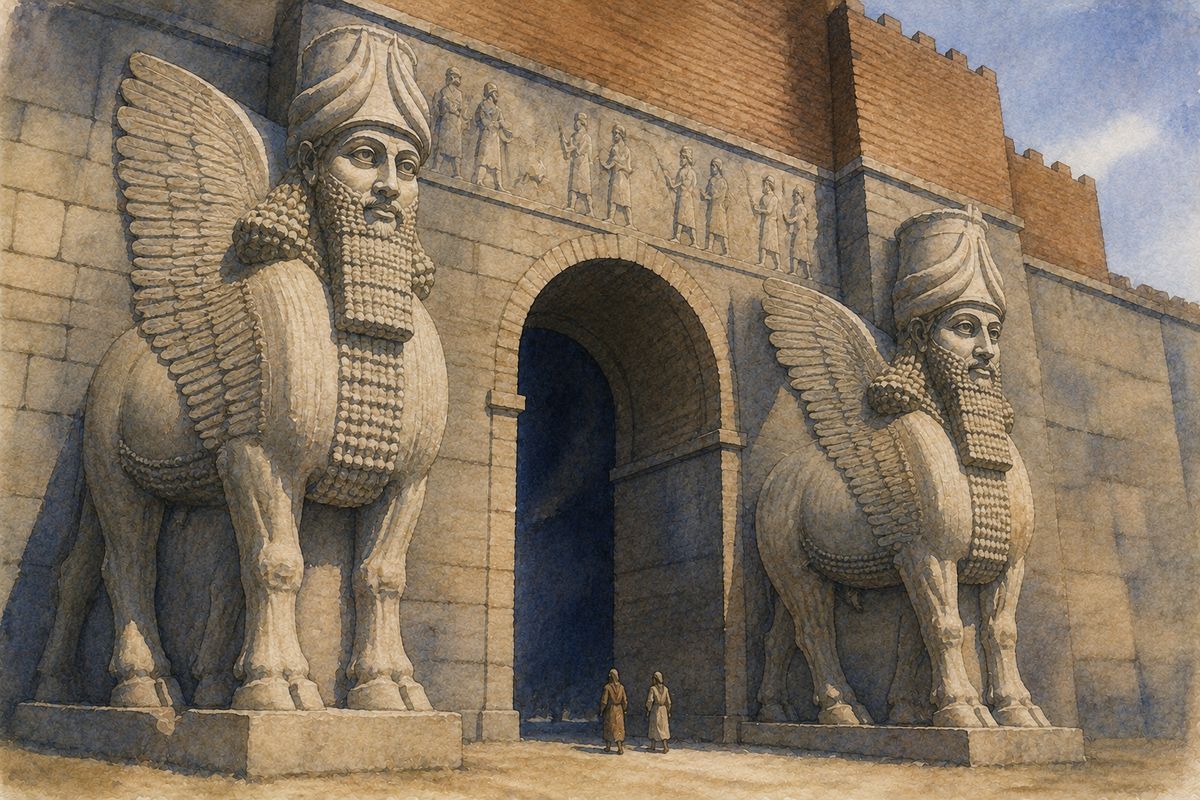
Sennacherib
مُثبَتthe capital without rival
- مدة الحكم:
- 705 to 681 BCE
- المدينة:
- Nineveh
The Assyrian king who made Nineveh his capital around 705 BCE and rebuilt it on a scale the region had not seen.
Ashurbanipal
مُثبَتthe library
- مدة الحكم:
- 669 to c. 631 BCE
- المدينة:
- Nineveh
The Assyrian king who assembled a library at Nineveh meant to hold the written tradition, and so preserved most of what we can read of Mesopotamian literature.
لماذا لا صور شخصية هنا
ليست لدينا صورة لأيٍّ من هؤلاء، ولا لدى أحد. مسلة النصر تُظهر نرام-سين كما أراد بلاطه أن يُرى؛ وكل ما جاء بعد ذلك اختلاق. لذا يُرسَم كل قسم أعلاه بحقبته، ويُعنوَن بها.
نستطيع أن نولّد وجهًا لكل اسم في هذه الصفحة في عصر يوم واحد. لن نفعل. الصورة الموضوعة إلى جانب وقائع موثّقة تُقرأ في النهاية كدليل، وأكثر ما لا يحتمله هذا القسم أن يُخلَط فنُّه بسجلّه.